
When Should a Child Stop Using Armbands?
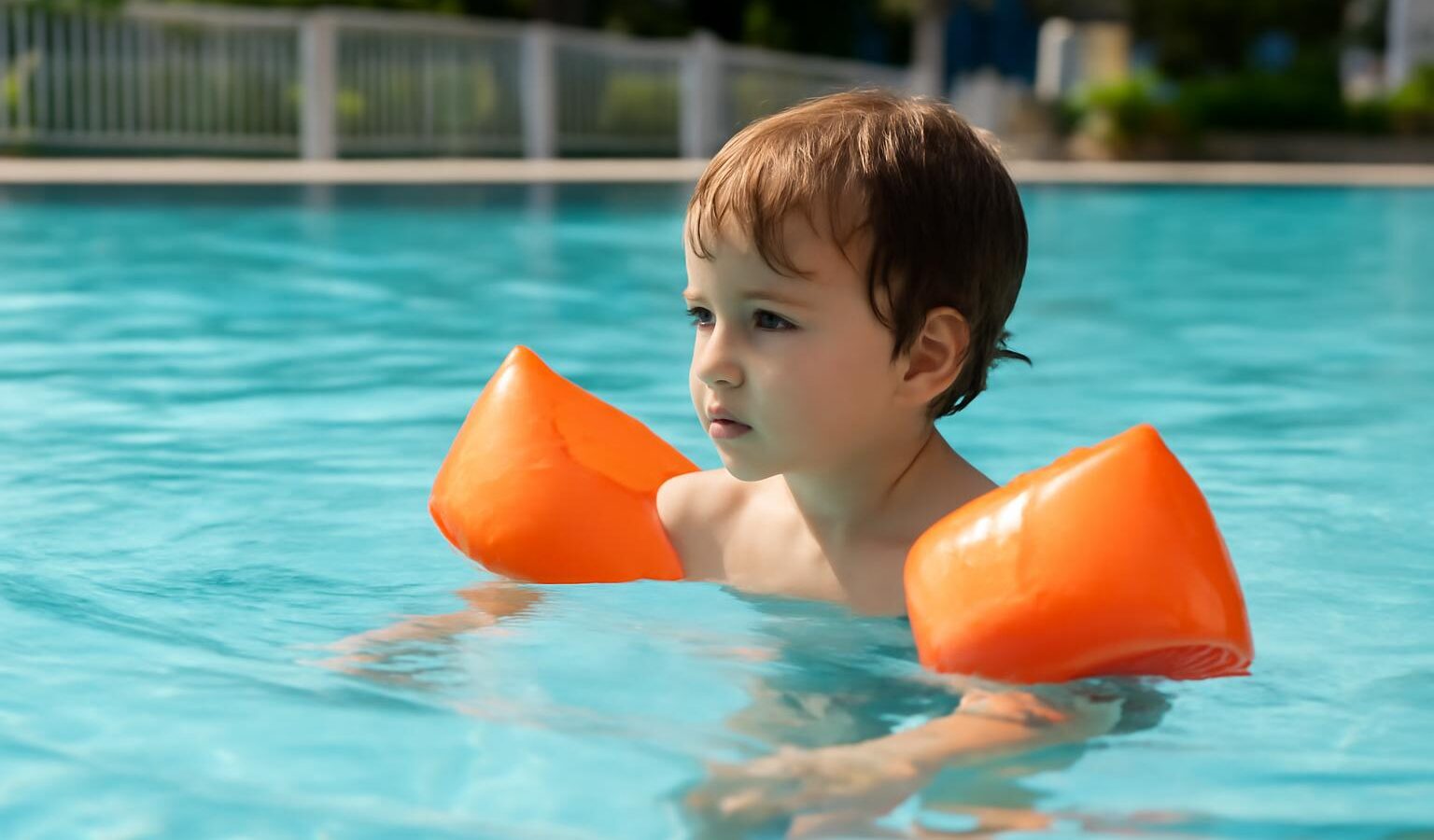
Knowing when to stop armbands is one of the most common questions parents ask us — and the honest answer is usually “sooner than you think.” This guide explains why, and how to wean your child off them safely.
Armbands (or “floaties”) are a familiar sight at every pool in Singapore. They are cheap, colourful and reassuring for anxious parents. But ask any experienced swim teacher and you will hear the same gentle warning: armbands are a short-term comfort that can quietly delay real swimming progress, and in the worst case give a dangerous false sense of security. After more than 25 years of coaching children, Coach U.K. has seen both sides — armbands that helped a terrified toddler enjoy the water, and armbands that left an eight-year-old unable to swim a stroke because they had never learned to balance without them.
This article gives you an honest, practical look at when to stop using armbands, what to replace them with, and how to make the transition without tears or setbacks.
Why armbands can hold a child back
Armbands are not evil — but they teach the body the wrong lessons if relied on for too long. Understanding why helps you judge when it is time to let go.
They put the body in the wrong position
Armbands hold a child upright, in a vertical “walking in water” posture, with the head high and legs hanging down. Real swimming requires a horizontal, streamlined position with the face in the water. A child who has spent years bobbing upright in armbands often finds the horizontal position alien and frightening when the floats finally come off.
They remove the need to balance
Learning to swim is largely about learning to balance and trust your own buoyancy. Armbands do that work for the child, so the crucial skills of floating, gliding and recovering to a stand never develop. The longer a child relies on them, the bigger the gap to close later.
They create a false sense of security
This is the safety concern that worries us most. Armbands can slip off, deflate, or flip a tired child face-down. Worse, children — and sometimes parents — start to treat them as safety devices. They are not. They are toys. A child in armbands still needs hands-on supervision at all times.
Signs your child is ready to stop using armbands
There is no magic age. Some confident four-year-olds are ready; some anxious seven-year-olds need more time. Look at the child, not the calendar. These are the signs we look for.
- Your child is comfortable putting their face in the water and blowing bubbles.
- They can hold a short front or back float, even with light support.
- They can push off a wall and glide a metre or two before standing up.
- They are relaxed and happy in the water, not clinging or panicking.
- They are physically able to touch the bottom in the shallow area where you practise.
If your child shows several of these, they are very likely ready to begin weaning off armbands. If they show none of them yet, the goal is not to rip the armbands away but to build these foundation skills first — ideally through structured lessons for nervous beginners.
What to use instead of armbands
The aim is to move from equipment that holds the child up to equipment that lets the child do the work while you stay close.
Your own hands
The best flotation aid is a present, attentive adult or coach. Supporting your child gently under the tummy or chest while they kick teaches genuine balance, and you can reduce the support gradually as they improve.
Kickboards and pool noodles — used actively
A kickboard encourages a horizontal body position and lets a child practise kicking and breathing. A pool noodle can be held or tucked under the arms briefly, then let go. The key word is active: these tools support practice, they do not park a child upright like armbands do.
Shallow water and lots of practice
Practising in water where your child can stand removes the fear of going under and lets them experiment with floating and gliding knowing safety is one stand-up away. This is far more valuable than any inflatable.
How to wean your child off armbands without setbacks
Go gradually and keep it positive. A sudden, frightening removal can set a child back weeks.
Deflate, don’t remove
If your child uses inflatable armbands, let a little air out each session over a couple of weeks. The reduced buoyancy nudges them to engage their own balance while still feeling supported. Eventually they are wearing near-empty bands, and taking them off entirely is a small final step.
Stay within arm’s reach
Replace the floats with your physical closeness. Knowing a parent or coach is right there is far more reassuring to a child than any inflatable, and it is genuinely safer.
Celebrate small wins
A two-second float, a one-metre glide, a confident bubble — make a fuss of every milestone. Confidence is the real fuel for swimming progress, especially for children who learned to love the water rather than fear it.
Consider proper lessons
Weaning off armbands is exactly the kind of transition a qualified teacher manages every week. In our kids swimming lessons, we never use armbands — children learn balance, floating and propulsion from the start, which is why they progress to real, unaided swimming and on towards the national SwimSafer syllabus.
Frequently asked questions
At what age should a child stop using armbands?
There is no fixed age. Readiness depends on water confidence and basic skills like floating and bubble-blowing, not the calendar. Many children can begin weaning off armbands by four or five, but every child is different.
Are armbands dangerous?
They can be misleading. Armbands are toys, not safety devices — they can slip, deflate or flip a child face-down, and they encourage parents to relax supervision. A child in armbands still needs an adult within arm’s reach at all times.
What is the best alternative to armbands?
An attentive adult or coach providing light support is best, alongside active tools like kickboards used in shallow water. These build real balance and floating skills instead of holding the child upright.
Will stopping armbands set my child back?
Not if you do it gradually and positively. Deflating armbands slowly, staying close, and celebrating small wins makes the transition smooth. A sudden, frightening removal is what causes setbacks, not the change itself.
My child panics without armbands — what should I do?
Step back to basics in shallow water where they can stand, and rebuild confidence with bubbles, floats and glides. If anxiety persists, structured lessons for nervous beginners can help enormously by progressing at the child’s pace.
Do swimming lessons use armbands?
Reputable teachers generally avoid them. In our lessons we never use armbands, because children learn balance and buoyancy faster and more safely without them. Light hands-on support and proper technique replace the floats.
How long does it take to wean a child off armbands?
Often just a few weeks if you deflate gradually and practise regularly. Children with a good foundation of floating and gliding may need only a session or two; more anxious swimmers take longer, and that is perfectly normal.
Help your child swim without armbands — for real
If you would like expert help weaning your child off armbands and building genuine water confidence, WhatsApp Coach U.K. on +65 9021 1254. We teach without armbands from day one. Learn more about our kids swimming lessons, our approach for nervous beginners, or how lessons prepare children for the SwimSafer syllabus. As an independent swim school, we coach and prepare students for that national programme.