
When Is My Child Ready to Progress a SwimSafer Stage?
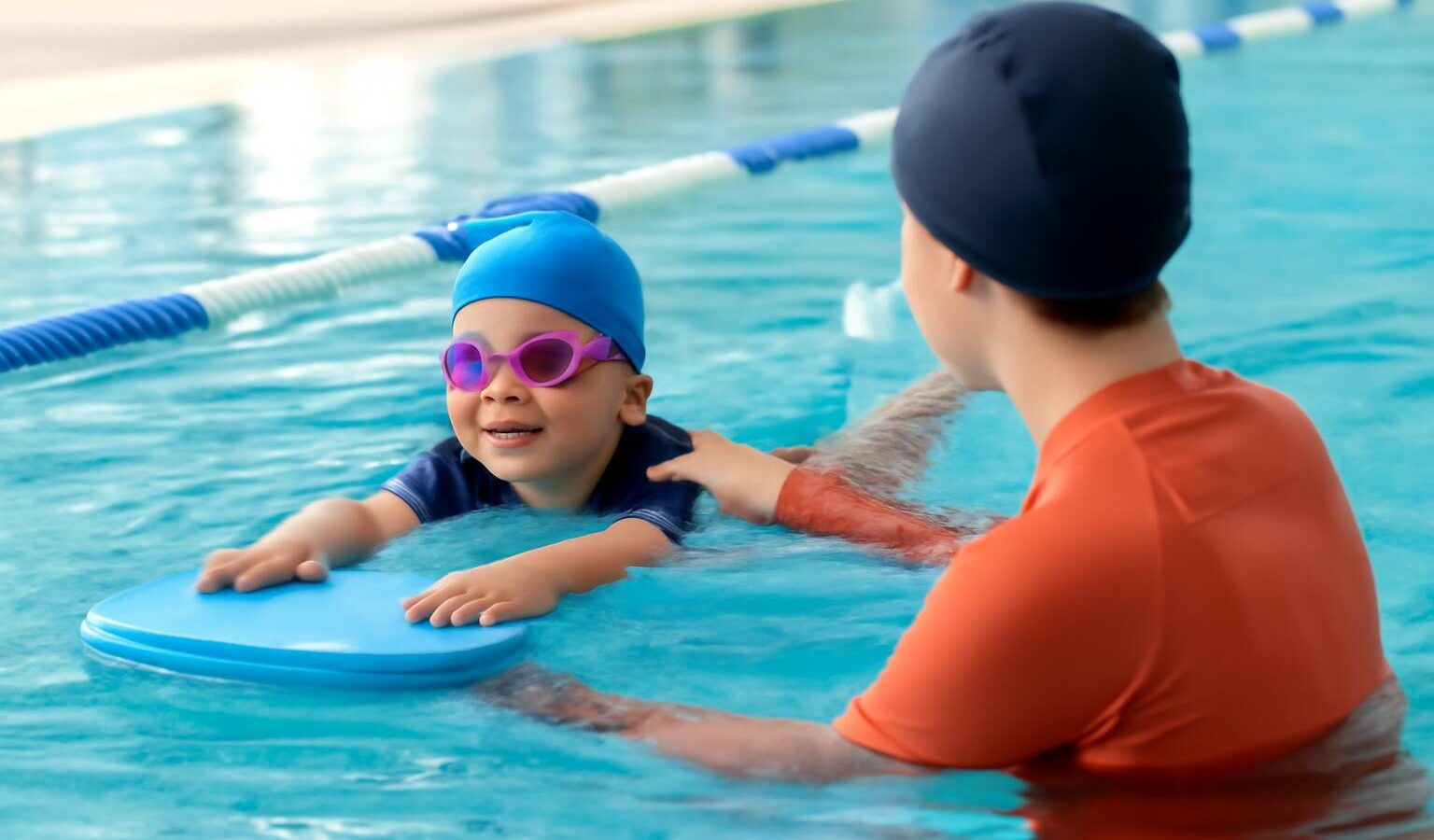
Asking whether your child is ready to progress a SwimSafer stage is a sign of an engaged, supportive parent — but readiness is about consolidated skill and confidence, not just clocking up lessons. Here is how to tell.
The national SwimSafer programme is structured as a clear ladder of stages, each building on the last, and it is natural to want your child to climb steadily. Parents often message us anxious that their child seems “stuck,” or eager to know when they can move up. After 25-plus years coaching young swimmers, Coach U.K.’s answer is consistent: progression should follow competence, not the calendar. A child who moves up before their foundation is solid tends to struggle, lose confidence and sometimes slide backwards — whereas a child who consolidates each skill moves up smoothly and keeps their love of the water intact.
An important note up front: we are an independent swim school. We coach and prepare students for the SwimSafer syllabus; we are not the official programme and have no affiliation with SportSG, Singapore Aquatics or the National Water Safety Council. Exact assessment criteria can change, so always confirm current requirements with the official SwimSafer syllabus and Singapore Aquatics.
How SwimSafer progression works
SwimSafer is built around sequential stages — broadly the numbered foundation stages followed by the Bronze, Silver and Gold awards — each with its own set of water-safety knowledge and swimming skills. Children are assessed against the criteria for their stage, and only move up once they can demonstrate those skills reliably. You can read a fuller breakdown on our SwimSafer stages explained pillar guide.
The crucial idea is that each stage assumes the previous one is secure. Distances, times and specific requirements should be treated as approximate and confirmed against the official syllabus, because the point of this article is readiness — not memorising figures that may change.
Signs your child is ready to move up a stage
Rather than counting lessons, look at whether your child can perform their current stage’s skills consistently, comfortably and independently. These are the readiness signals we look for as coaches.
Skills are consistent, not occasional
A child who manages a skill once on a good day is not yet ready; a child who performs it reliably across several sessions, even when a little tired, is. Consistency under slightly varied conditions is the real test.
Technique is relaxed, not forced
Watch how your child moves. Are they relaxed, breathing calmly and in control — or scrambling, holding their breath and tense? Relaxed competence shows a skill is genuinely owned. Strained, panicky execution means the foundation needs more time.
They are confident and willing
Readiness is as much emotional as physical. A child who is keen to try harder things, comfortable in deeper water appropriate to their stage, and not anxious about the next challenge is showing genuine readiness. Reluctance can signal that confidence needs to catch up with skill.
Water-safety understanding has grown
SwimSafer is a water-safety programme, not just a swimming one. A ready child understands and can demonstrate the safety elements of their stage — entering and exiting safely, surface skills, and basic survival actions — not just the strokes.
Why rushing backfires
Pushing a child up before they are ready is one of the most common mistakes we see, and it almost always slows progress in the long run.
- Confidence drops. A child who suddenly cannot keep up with their stage feels like they are failing, which can sour their whole relationship with swimming.
- Bad habits set in. Skipping consolidation means weak fundamentals get “papered over,” and those flaws resurface and stall progress later.
- Anxiety creeps in. Being out of one’s depth — literally and figuratively — can reignite fear in a previously happy swimmer.
There is no prize for rushing. The children who go furthest are usually those who built each stage patiently.
How to support healthy progression
You do not need to be a swim teacher to help your child advance well. A few simple habits make a big difference.
Reinforce, don’t drill
Use family pool time to gently reinforce what your child is learning — bubbles, floats, kicking, gliding — through play rather than pressure. Positive repetition consolidates skills faster than nagging ever will.
Trust the assessment process
If a qualified coach says your child needs another few weeks at a stage, that is good news, not a failure. It means your child will move up with a secure foundation. Open communication with the coach matters here.
Keep it positive
Celebrate effort and small wins. A child who feels successful keeps showing up, and showing up consistently is what drives progress. For children who find the water daunting, our work with nervous beginners shows how patience pays off.
Choose lessons that consolidate
Private, one-to-one coaching lets a teacher tailor the pace exactly to your child — spending longer where needed and accelerating where they are strong. Our kids swimming lessons are built around this kind of individual readiness, preparing children thoroughly for each SwimSafer stage.
Frequently asked questions
How long does each SwimSafer stage take?
There is no fixed timeline — it varies hugely with age, frequency of practice and confidence. Some children consolidate a stage in a few months, others need longer. Progression should follow competence, not a set number of lessons. Confirm current details with the official syllabus.
How do I know if my child is ready for the next stage?
Look for consistent, relaxed performance of their current stage’s skills across several sessions, growing confidence, and a solid grasp of the water-safety elements. Occasional success is not readiness; reliable, comfortable competence is.
Is it bad to keep my child at the same stage for a while?
Not at all. Extra time consolidating a stage builds a stronger foundation and usually leads to faster, smoother progress later. Rushing ahead before skills are secure is far more likely to cause problems.
My child seems stuck — what should I do?
Plateaus are normal. Talk to the coach about which specific skill needs attention, reinforce it gently during family pool time, and keep the experience positive. A tailored, one-to-one approach often unlocks progress.
Can my child skip a SwimSafer stage?
The stages are sequential and each assumes the previous one is secure, so skipping is generally not advisable. A child should demonstrate the required skills for each stage. Always check current assessment rules with the official SwimSafer syllabus and Singapore Aquatics.
Does my child need to retake a stage if they switch schools?
A new coach will usually assess your child’s actual skills rather than assume a stage. Bring any certificates you have, but expect the teacher to check competence directly so they can pitch lessons correctly. Keep records of completed stages where possible.
Are you the official SwimSafer programme?
No. We are an independent swim school that coaches and prepares students for the national SwimSafer syllabus. We have no affiliation with SportSG, Singapore Aquatics or the National Water Safety Council, and we recommend confirming official details with them.
Help your child progress with confidence
If you would like an honest assessment of where your child stands and a plan to help them advance at the right pace, WhatsApp Coach U.K. on +65 9021 1254. Explore our kids swimming lessons, understand the ladder on our SwimSafer stages explained page, or see indicative rates on our pricing page. As an independent school, we prepare children thoroughly for every SwimSafer stage.