
When Can a Baby Start Swimming Lessons?
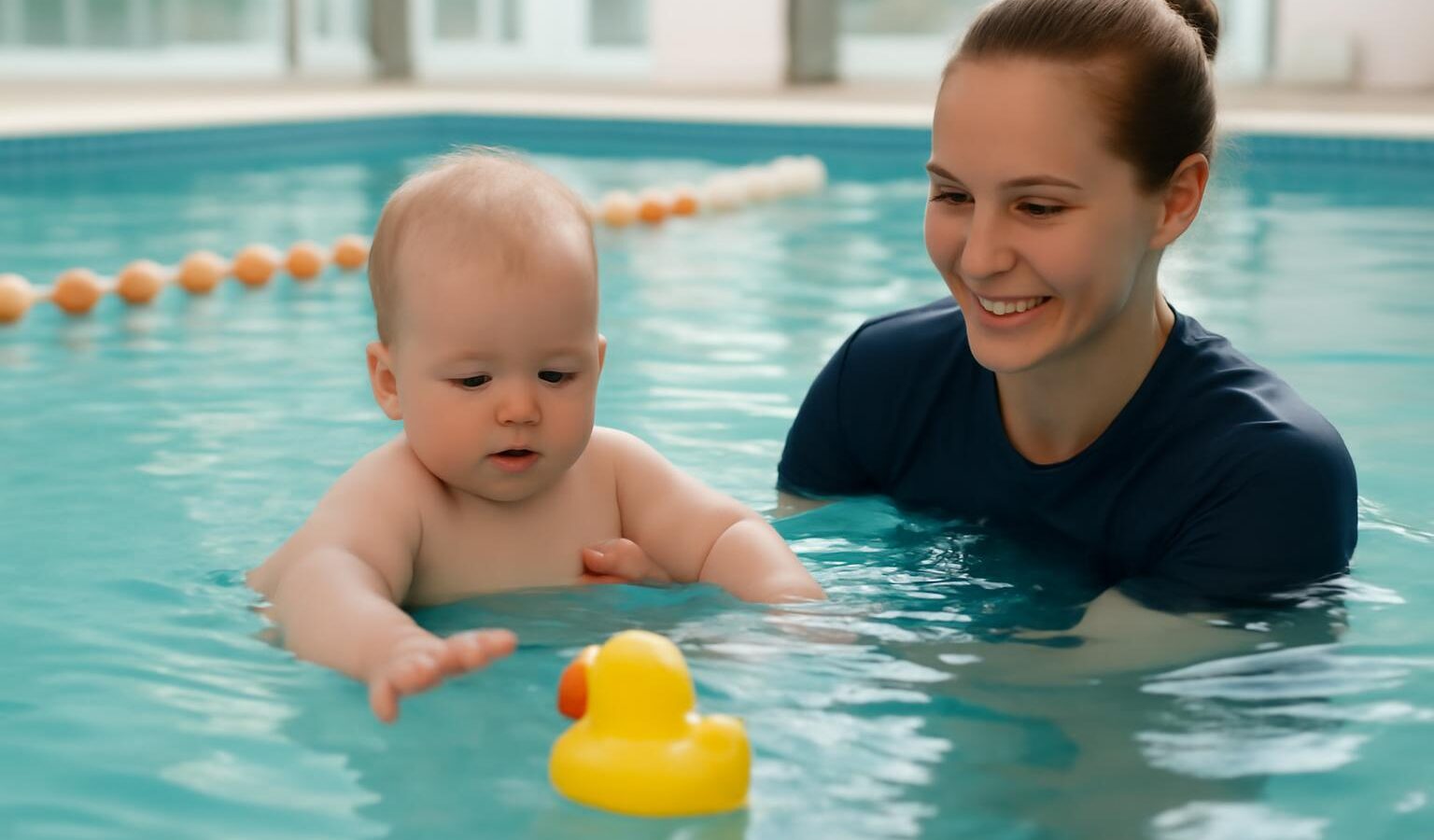
If you are wondering when can a baby start swimming, the reassuring answer is that water familiarisation can begin remarkably early, often from around six months, provided a few simple readiness and safety conditions are met. This guide explains the timing, the precautions and what gentle baby swim sessions actually involve.
For new parents in Singapore, the pool can feel like both an exciting milestone and a source of worry. Babies are naturally drawn to water, yet they are also delicate, and it is sensible to want clear, trustworthy guidance before you begin. As an independent swim school that coaches babies, toddlers and older children, we are asked this question almost every week, and the honest answer is that “the right time” depends on your individual baby as much as on a number on the calendar.
The general age guideline
Most baby swimming programmes welcome infants from around six months of age. The reasoning is practical rather than rigid. By around half a year, many babies can hold their heads steadily, have had time to settle into feeding and sleeping rhythms, and have begun their early vaccination schedule. Some gentle parent-and-baby water familiarisation can start earlier in warm, clean, controlled conditions, but six months is a sensible, widely used reference point.
It is worth being clear that “swimming lessons” for a baby do not mean teaching strokes. At this age, the goal is comfort and joy in the water: getting used to the sensation, learning to enjoy being held and moved through the water, building gentle breath responses, and strengthening the parent-child bond. Real stroke technique comes years later, and structured programmes such as the national SwimSafer syllabus are designed for older children. We coach toward that syllabus when the time is right, but the baby stage is all about foundations.
Readiness signs beyond age
- Good head control so your baby can be supported comfortably and safely in the water.
- Settled feeding so sessions can be timed between feeds, avoiding a hungry or overly full tummy.
- General good health on the day, with no fever, infection or unsettled tummy.
- A calm, alert mood rather than overtired or fractious, which makes the first experiences positive.
Health and safety before you start
A few sensible precautions make those first sessions safe and happy. Because every baby is different, and because medical circumstances vary, treat the points below as general guidance and speak with your paediatrician or a doctor about your own child before starting, especially if your baby was premature, has a heart or respiratory condition, or any other health concern.
Vaccinations and water hygiene
Parents often ask whether a baby needs to have completed certain vaccinations before swimming. There is no universal requirement that a baby must finish every immunisation first, but it is a reasonable topic to raise with your doctor, who knows your child’s history. Choose well-maintained, properly treated pools, and avoid swimming if your baby is unwell or has an open skin condition.
Temperature matters
Babies lose heat far faster than adults. Singapore’s warm climate helps, but pools can still feel cool to a small body, so keep first sessions short, around ten to twenty minutes, and watch for shivering or blue lips, which are signs to get out and warm up. A warm cuddle and a towel afterwards are part of the routine.
Tummy timing and equipment
Swim before a feed has fully digested can cause discomfort, while a hungry baby will fuss. A gap of around an hour after feeding is a common rule of thumb. A snug-fitting swim nappy is essential for hygiene, and you do not need elaborate flotation gear; in good baby classes, the parent provides the support.
What a baby swim session looks like
Sessions are short, gentle and led by you with the coach’s guidance. Expect plenty of skin-to-skin holding, gentle gliding through the water, songs and rhymes that create rhythm and predictability, splashing games, and the very first controlled experiences of water on the face. A good coach moves at your baby’s pace, never forcing submersion, and reads your baby’s cues constantly.
The presence of an experienced coach matters. Coach U.K. (Umesh “U.K.” Singh) is an AUSTSWIM-accredited swim teacher who has coached since 1999 and specialises in babies and infants alongside older children and nervous beginners. That experience means sessions are calm, confidence-building and tailored to each family. Coach U.K. travels to you to coach in the comfort of your own condominium or private pool, and for families who would prefer a public pool, a certified coach from our island-wide network can teach at a nearby swimming complex. You can learn more on our baby and toddler swimming lessons page.
Why start early at all?
If real swimming comes later, why begin in infancy? Early, positive water experiences tend to prevent the fear that can develop in children who first meet deep water at age four or five. Babies who are comfortable in water often transition more smoothly into structured lessons and, eventually, into the SwimSafer stages. There are also lovely secondary benefits: bonding time, gentle physical activity, and a calming routine. None of this replaces vigilant supervision, however; no baby is ever “water safe,” and an adult must always be within arm’s reach.
Frequently asked questions
What is the youngest age a baby can start swimming?
Gentle water familiarisation can begin from around six months in most programmes, and sometimes a little earlier in warm, controlled conditions. The most reliable approach is to check your baby’s readiness and discuss any health concerns with your doctor first.
Does my baby need vaccinations before swimming?
There is no universal rule that all vaccinations must be completed first, but it is a sensible question to raise with your paediatrician, who can advise based on your baby’s individual health and history.
Can babies really hold their breath underwater?
Young infants have a natural reflex that can help when water touches the face, but this should never be relied upon for safety, and submersion should only ever be introduced gradually and gently by an experienced coach. Constant adult supervision is essential at all times.
How long should a baby’s first swim be?
Keep early sessions short, roughly ten to twenty minutes, because babies lose heat quickly and tire easily. Watch for shivering, blue lips or fussiness as signs to get out, warm up and finish on a happy note.
Will baby swimming make my child a better swimmer later?
It does not teach strokes, but early positive water experiences build comfort and reduce fear, which often helps children transition more smoothly into structured lessons and, eventually, the SwimSafer stages as they grow.
Is it safe to take my baby to a public pool?
For recreational dips, yes — provided the pool is well maintained and properly treated, your baby is healthy on the day, and you keep sessions short and warm. Always stay within arm’s reach and never leave a baby unsupervised near water. For our own coached baby sessions, many families choose a private condominium or home pool, where the water is warmer, quieter and more familiar for a tiny swimmer; if you would rather use a public pool, a certified coach from our network can teach there too.
Ready to introduce your baby to the water?
If you would like gentle, expert-led first experiences in the water, WhatsApp Coach U.K. on +65 9021 1254 for a friendly chat about your baby’s readiness. We run sessions island-wide, including at condo pools, and you can read more about our baby and toddler lessons or browse all our services. We are an independent swim school focused on building water confidence that lasts.