
What to Wear for Swimming Lessons
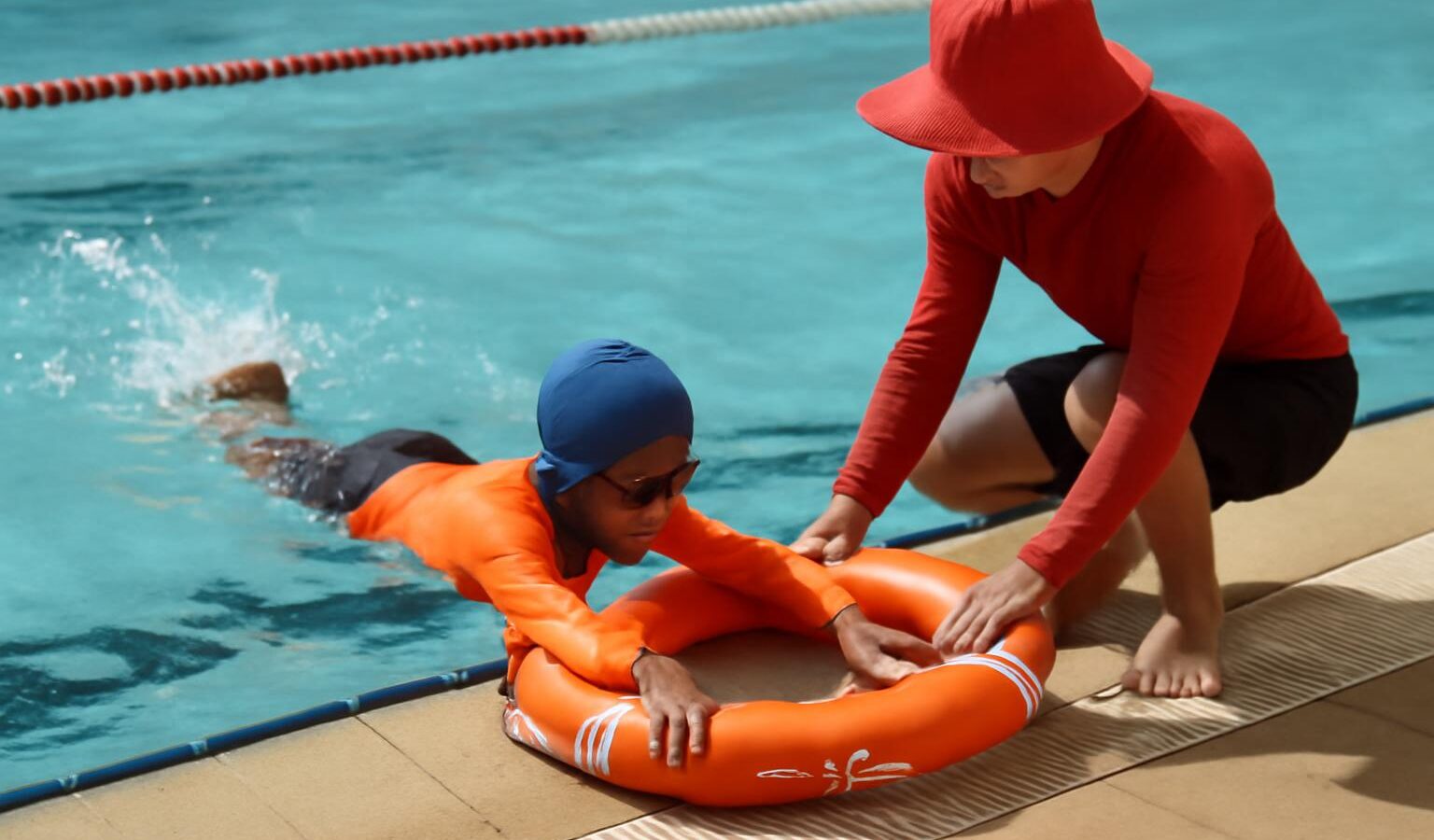
Knowing what to wear for swimming lessons sounds trivial until you are standing at the poolside with a fidgeting child and the wrong kit. Get the basics right and your first lesson starts smoothly, warm and stress-free.
Over more than 25 years of coaching across Singapore’s public and condominium pools, Coach Umesh “U.K.” Singh has seen every kit mishap imaginable: goggles that leak within seconds, baggy board shorts that drag like a parachute, and brand-new swimsuits with the tags still attached. None of these are disasters, but they do eat into precious water time. This guide walks you through exactly what a child or adult should wear and bring, so the only thing you need to focus on is learning to swim.
The essentials: what every swimmer needs
Whether you are five or fifty-five, the core kit for a swimming lesson is refreshingly simple. You do not need to spend a fortune, and you certainly do not need every gadget on the shelf. Start with these basics.
- Well-fitting swimwear that lets you move freely without sagging or riding up.
- Goggles that seal comfortably around the eyes without being painfully tight.
- A towel, ideally a larger one for younger children who feel the cold quickly.
- A swim cap if you have long hair, to keep it out of your face and reduce tugging.
- Flip-flops or slides for walking safely on wet, slippery poolside tiles.
- A small bag for wet kit afterwards, plus a dry change of clothes.
What children should wear
For children, comfort and warmth matter most. A child who is cold or distracted by ill-fitting kit will struggle to concentrate, and the lesson becomes about fixing the costume rather than learning to float.
Swimsuits and trunks
Girls are usually best in a one-piece costume, which stays put during kicking and gliding far better than a two-piece. Boys do well in close-fitting swim trunks or jammers rather than loose board shorts, which create drag and make early swimming feel much harder than it needs to be. The fabric should be a proper swimming material such as polyester or a chlorine-resistant blend, not a cotton outfit that becomes heavy and saggy in the water.
Babies and toddlers
For the very young who are not yet toilet-trained, a reusable swim nappy under a swimsuit is essential, and most pools require it. Avoid ordinary disposable nappies, which swell enormously once wet. A close-fitting toddler swimsuit over the swim nappy keeps everything secure. Our baby and toddler swimming lessons page covers what to expect at this stage in more detail.
Keeping warm between activities
Singapore is warm, but a child sitting still and wet at the poolside can shiver surprisingly quickly, especially in an air-conditioned indoor complex or after a rain shower. A thermal swim top or rash vest adds a useful layer for sensitive or nervous swimmers, and a generous towel for the breaks goes a long way.
What adults should wear
Adult learners sometimes overthink their kit, often because they feel self-conscious returning to the pool after many years. The truth is that simple, functional swimwear always wins.
Men should choose fitted trunks, jammers or briefs rather than long, loose shorts. Women are usually most comfortable in a sporty one-piece that stays secure during practice; fashion bikinis are not designed for the pushing, gliding and rolling involved in learning strokes. If you feel more comfortable covered up, a rash vest or swim leggings are perfectly acceptable and very common in Singapore. The aim is to feel relaxed enough to focus, which is exactly the spirit of our adult swimming lessons.
Goggles, caps and the small details
Choosing goggles
Leaky or uncomfortable goggles are the single most common cause of poolside frustration. For children, look for a soft silicone seal, an adjustable strap and a smaller frame sized for a young face. Press the goggles gently against dry eyes without the strap; if they hold briefly by suction, the fit is good. For nervous swimmers, well-fitting goggles can be the difference between dreading submersion and happily blowing bubbles.
Swim caps
A cap is not compulsory, but it keeps long hair out of the eyes, reduces the tangle of chlorine-soaked hair afterwards, and helps the coach see a swimmer’s face clearly. Silicone caps are more durable and easier to pull on than thin latex ones.
What to leave at home
Jewellery, watches and anything valuable are best left at home or locked away. Heavy flotation toys are not needed either; your coach brings the appropriate teaching aids such as kickboards and woggles. Arm-bands in particular can teach an upright, dog-paddle posture that we later have to undo, so check with your coach before relying on them.
A simple swimming lesson kit list
Pack the night before and lesson mornings become calm rather than chaotic. Here is a reliable checklist to keep by the door.
- Swimsuit or trunks (worn under clothes to save changing time)
- Goggles, checked for fit
- Swim cap if needed
- Swim nappy for babies and toddlers
- Two towels for little ones, one for adults
- Flip-flops or pool slides
- Dry clothes and underwear for afterwards
- A water bottle and a light snack
- A waterproof bag for the wet kit
Frequently asked questions
What should my child wear for their first swimming lesson?
A close-fitting one-piece costume or swim trunks, well-fitting goggles, and a swim nappy if they are not yet toilet-trained. Bring a warm towel and a dry change of clothes. Avoid loose board shorts, which create drag.
Are goggles necessary for beginners?
They are not strictly compulsory, but most learners find that comfortable goggles make submersion far less daunting and help them keep their eyes open underwater. A good seal matters more than a fancy brand.
Do I need a swim cap?
Only if you have longer hair. A cap keeps hair out of your face, makes practice more comfortable and helps the coach see your expression clearly. Silicone caps last longer than thin latex ones.
Can my toddler wear an ordinary nappy in the pool?
No. Ordinary nappies swell and disintegrate in water and are not allowed at most pools. Use a reusable swim nappy, ideally with a snug toddler swimsuit over the top.
Should adults wear board shorts?
It is better to avoid them while learning. Long, loose shorts drag heavily through the water and make early swimming feel much harder. Fitted trunks, jammers or a sporty one-piece are far more practical.
Do I need to bring flotation aids?
No. Coach U.K. provides appropriate teaching aids such as kickboards and woggles, chosen to suit each swimmer. Arm-bands can encourage an upright posture we later have to correct, so check before using them.
Ready to book your first lesson?
Once the kit is sorted, the rest is easy. WhatsApp Coach U.K. on +65 9021 1254 for a friendly chat about goals, timings and the right pool. While you plan, explore our kids swimming lessons, our adult swimming lessons, and our guide on how to support a nervous beginner so the first session feels easy. As an independent private swim school, we coach and prepare students for the SwimSafer syllabus; we are not the official programme or affiliated with SportSG or Singapore Aquatics.