
What to Expect in a Trial Swimming Lesson
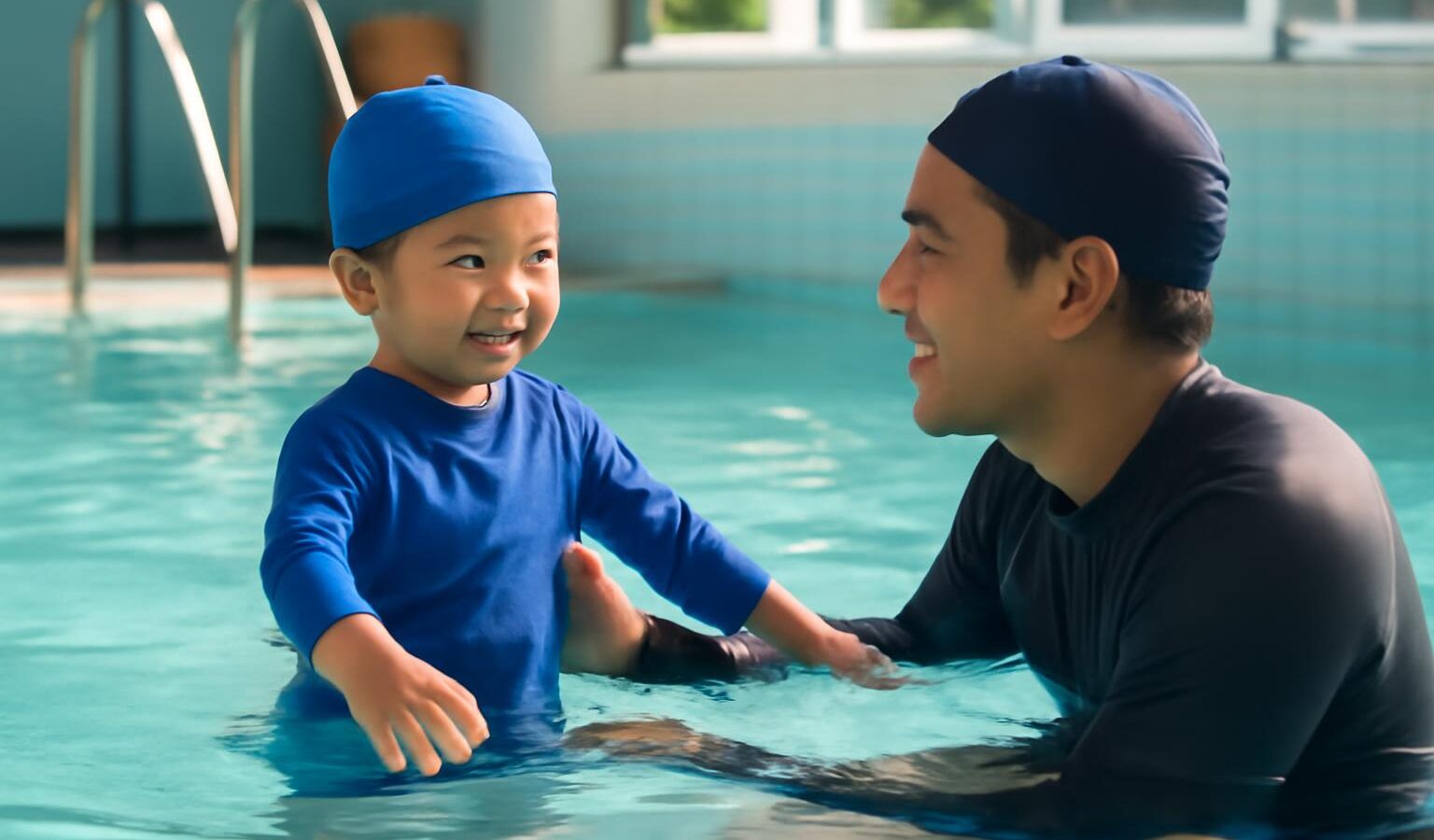
A trial swimming lesson is a low-risk way to meet the coach, see the pool and find out whether the fit is right before you commit — and knowing what to expect helps you and your child get the most from it.
SwimSafer (swimsafer.sg) is an independent private swim school that coaches and prepares students for the national SwimSafer syllabus. We are not the official programme and are not affiliated with SportSG, Singapore Aquatics or the National Water Safety Council. We encourage trial lessons because choosing the right coach matters — and a single session tells you far more than any brochure.
What a trial lesson is for
A trial is part assessment, part introduction. For the coach, it is a chance to gauge the learner’s current ability, comfort in the water and personality. For you and your child, it is a chance to see how the coach teaches, whether your child responds well, and whether the pool and timing suit your family. Think of it as a two-way fit check rather than a test to pass.
What usually happens during the lesson
Getting acquainted
A good coach starts by putting the learner at ease — a friendly chat, a relaxed welcome and a calm introduction to the pool. For a nervous child, this gentle start is especially important and tells you a lot about the coach’s approach.
A gentle assessment
The coach will observe what the learner can already do. A complete beginner might simply get into the water, splash and try blowing bubbles. A more experienced swimmer may be asked to float, kick or swim a short distance so the coach can see their strokes. This is not a pass-or-fail exam — it is information-gathering so lessons can be pitched at the right level.
Some real teaching
A trial is not just watching. Expect the coach to teach something — a small skill, a tweak to technique, or a confidence-building step. This shows you the coaching style in action and gives the learner a genuine taste of what regular lessons feel like.
A chat afterwards
Many coaches finish with a brief conversation about what they observed, where the learner is, and a suggested plan — class size, frequency and goals. This is your moment to ask questions and judge whether the approach suits you.
How to prepare your child
- Keep it light: describe the trial as a fun chance to meet a new coach and play in the water, not a test to be nervous about.
- Bring the basics: well-fitting swimwear, goggles, a swim cap if needed, a warm towel and a snack for afterwards.
- Arrive a little early: a relaxed, unrushed start helps a child settle, especially if they are anxious.
- Manage expectations: one lesson will not transform a swimmer. The aim is comfort and a good first impression.
- Stay calm yourself: children read your mood, so a relaxed, positive parent helps enormously.
What the coach is assessing
During a trial, an experienced coach is reading several things at once:
- Comfort in the water: is the learner relaxed or fearful? This shapes the whole approach.
- Current skill level: what can they already do, and what needs building?
- Personality and learning style: playful, cautious, analytical? Knowing this helps tailor lessons.
- Any specific needs: a fear of deep water, a stroke fault, or special needs that require an adapted approach.
All of this lets the coach design lessons around the individual rather than a generic plan.
Questions worth asking
A trial is your opportunity to interview the coach as much as the other way round. Useful questions include:
- How would you structure my child’s lessons from here?
- What class size do you recommend, and why?
- How often should we have lessons to meet our goal?
- How do you handle a nervous or reluctant child?
- How do you track progress over time?
The answers reveal the coach’s experience, honesty and whether their approach matches what your family wants.
Signs of a good trial
You can tell a lot from a single session. Encouraging signs include a coach who is patient and attentive, a child who finishes more comfortable than they started, clear safety awareness, and honest, jargon-free communication about next steps. If your child comes out smiling and the coach gave you a frank, tailored plan rather than a hard sell, that is a very good sign.
If the trial does not feel right
That is exactly what a trial is for. If your child did not warm to the coach, or the style, pool or timing does not suit you, there is no obligation to continue. A good fit between coach and learner is one of the biggest factors in long-term success, so it is worth getting right from the start.
Why the coach behind the trial matters
A trial is only as valuable as the coach delivering it. Coach Umesh “U.K.” Singh is an AUSTSWIM-accredited swim teacher, a certified Singapore Armed Forces life-saver and an open-water swim trainer who has coached since 1999 — over 25 years. He teaches kids, adults, babies, nervous beginners and learners with special needs, delivering flexible one-to-one and small-group lessons at public and condo pools island-wide. In a single trial, his experience lets him quickly understand a learner and suggest an honest, tailored plan.
How a trial fits with SwimSafer
A trial helps the coach see roughly where a learner sits in their swimming journey and how best to prepare them for the SwimSafer syllabus over time. It is not a stage assessment — the SwimSafer stages are passed on competence through ongoing lessons, not in one session. Exact stage requirements can change, so treat them as approximate and confirm current details with the official SwimSafer syllabus or Singapore Aquatics.
A note on cost
Because our fees depend on lesson length and class size rather than a fixed package, a trial is also a good moment to discuss what an ongoing plan would involve. We keep indicative rates on our pricing page and will give you an honest recommendation after the trial rather than a hard sell.
Frequently asked questions
What happens in a trial swimming lesson?
The coach gets to know the learner, gently assesses their current ability and comfort in the water, teaches a small skill so you can see their style, and usually finishes with a chat about a suggested plan. It is part assessment and part introduction.
Is a trial lesson a test my child has to pass?
No. It is information-gathering, not a pass-or-fail exam. The coach simply wants to understand where the learner is so lessons can be pitched at the right level. There is nothing for your child to fail.
How should I prepare my child for a trial?
Keep it light and fun, bring swimwear, goggles, a cap if needed, a towel and a snack, and arrive a little early so your child can settle. Stay calm and positive yourself, as children pick up on your mood.
What should I look for in a good trial?
A patient, attentive coach, a child who finishes more comfortable than they started, clear safety awareness, and honest, tailored advice about next steps rather than a hard sell. Your child coming out smiling is a great sign.
What if the trial doesn’t go well?
That is exactly what a trial is for — to check the fit before committing. If the coach, style, pool or timing does not suit, there is no obligation to continue. Getting the fit right from the start matters for long-term success.
Will a trial tell me my child’s SwimSafer stage?
It gives the coach a rough sense of where your child is, but it is not a formal stage assessment, which depends on competence built over ongoing lessons. Always confirm current stage requirements with the official SwimSafer syllabus or Singapore Aquatics.
Ready to book a trial?
A trial is the easiest way to see if we are the right fit for your family. WhatsApp Coach U.K. on +65 9021 1254 to arrange one. Explore our kids swimming lessons, our adult swimming lessons, or check indicative pricing before you decide.