
What to Expect in Your First Month of Swimming Lessons
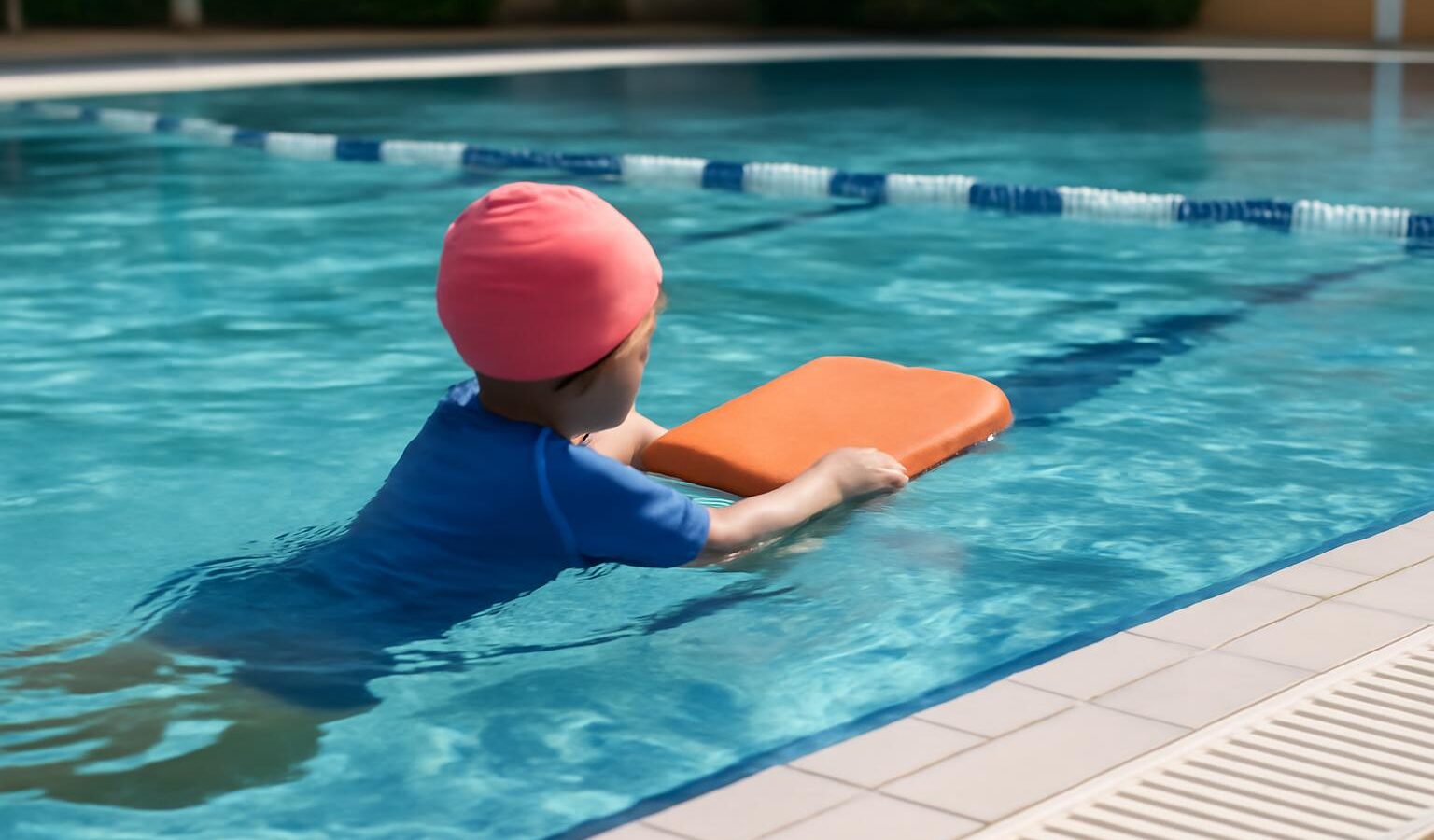
Knowing what to expect in your first month swimming lessons takes the worry out of starting — for both child and parent — and helps you recognise the real, if quiet, progress happening beneath the surface in those early weeks.
SwimSafer (swimsafer.sg) is an independent private swim school that coaches and prepares students for the national SwimSafer syllabus. We are not the official programme and are not affiliated with SportSG, Singapore Aquatics or the National Water Safety Council. Having guided countless beginners through their very first lessons, we can tell you honestly what those first four weeks usually look like — and why patience now pays off later.
The first month is about foundations
It is tempting to expect a child to be swimming lengths within a month. In reality, the early weeks are about something more important: building comfort, trust and the basic relationship with the water. These foundations are what every stroke and skill is later built upon. Progress in the first month is often invisible to an impatient eye but absolutely essential.
Week by week: a typical journey
Every learner is different, so treat this as a guide rather than a fixed timetable. A nervous child may move more slowly; a confident one faster.
Week 1: getting comfortable
The first lesson is mostly about settling in — meeting the coach, getting used to the pool, and feeling safe. A good coach spends time building trust before asking for much. Expect water familiarisation: getting wet, walking in the water, splashing, and perhaps blowing bubbles. For a nervous child, simply entering the water calmly is a real win.
Week 2: building water confidence
With early nerves easing, lessons start introducing core comfort skills — submerging the face, blowing bubbles, and beginning to float with support. The child learns that water on their face is nothing to fear. You may see small but meaningful breakthroughs here.
Week 3: early skills emerge
As confidence grows, the coach introduces foundational movements — supported floating on the front and back, gentle kicking, and gliding short distances. The child begins to feel how their body moves and balances in the water. This is where the groundwork starts turning into recognisable swimming skills.
Week 4: putting pieces together
By the end of the first month, many children can float with less support, kick along, glide a short way and put their face in the water without fuss. They are not finished swimmers, but the essential building blocks are in place, ready to develop into proper strokes in the months ahead.
What is normal — and what to expect
- Ups and downs: a child may do brilliantly one week and seem to go backwards the next. This is completely normal and not a cause for concern.
- Tears or hesitation early on: some nervous children resist at first. With a patient coach, this almost always settles within a few sessions.
- Tiredness: swimming is physical, and a beginner may be unusually tired or hungry after lessons. That is a sign of good effort.
- Slow-looking progress: comfort and confidence are progress, even when there is no visible stroke yet.
How parents can help in the first month
Your role matters enormously in these early weeks:
- Stay calm and positive: children sense your mood. Treat lessons as fun, and they will too.
- Avoid pressure: let progress unfold at the child’s pace rather than demanding visible results.
- Praise effort: celebrate trying, not just achieving. “You put your face in today!” goes a long way.
- Be consistent: regular attendance keeps skills fresh and builds momentum. Long gaps in the first month can mean starting over.
- Add relaxed pool time: happy family swims between lessons reinforce comfort and speed things along.
Practical tips for smooth early lessons
- Bring well-fitting goggles and comfortable swimwear so the child is not distracted by discomfort.
- Have a swim cap ready if the pool requires one or your child has long hair.
- Arrive a little early so the child is not rushed or flustered before getting in.
- Pack a warm towel and a snack — beginners often get cold and hungry.
- Keep goodbyes brief and confident if you are leaving them with the coach; lingering anxiously can unsettle a nervous child.
When to talk to the coach
A good coach welcomes your questions. If your child is unusually fearful, not settling after several sessions, or you simply want to understand their progress, ask. Open communication helps the coach tailor lessons and reassures you that the slow-looking first month is going exactly as it should.
Why an experienced coach matters early on
The first month sets the tone for everything that follows, so the coach you choose is crucial. Coach Umesh “U.K.” Singh is an AUSTSWIM-accredited swim teacher, a certified Singapore Armed Forces life-saver and an open-water swim trainer who has coached since 1999 — over 25 years. He teaches kids, adults, babies, nervous beginners and learners with special needs, delivering flexible one-to-one and small-group lessons at public and condo pools island-wide. His patience and experience help beginners feel safe from the very first lesson, turning early nerves into lasting confidence.
The first month and SwimSafer
The comfort and basic skills built in your first month are the foundation the SwimSafer syllabus is designed to develop. Children are not expected to pass stages in a few weeks — the stages are achieved on competence over time, not on a rushed schedule. Exact stage requirements can change, so treat them as approximate and confirm current details with the official SwimSafer syllabus or Singapore Aquatics.
Frequently asked questions
Will my child be swimming after one month of lessons?
Usually not in the sense of swimming lengths, and that is completely normal. The first month builds comfort, confidence and basic skills like floating, kicking and gliding — the foundations that proper strokes are built on later.
My child cried in the first lesson. Is that a bad sign?
No. Some children are nervous at first, and tears or hesitation are common early on. With a patient coach, this almost always settles within a few sessions as trust builds.
How quickly should I expect to see progress?
Progress in the first month is often quiet — growing comfort and confidence rather than visible strokes. Expect ups and downs from week to week, which is a normal part of learning, not a setback.
How can I help my child progress in the first month?
Stay calm and positive, attend consistently, praise effort rather than results, and add some relaxed family pool time between lessons. Avoid piling on pressure, which can slow a nervous beginner down.
Why is my child so tired after swimming lessons?
Swimming is physically demanding, especially for a beginner. Tiredness and extra hunger after lessons are signs of good effort. Pack a warm towel and a snack, and let them rest.
How long before my child is ready for a SwimSafer stage?
It varies by child, and stages are passed on competence rather than a set timeframe. The first month lays the groundwork. Always confirm current stage requirements with the official SwimSafer syllabus or Singapore Aquatics.
Ready to start your child’s first month?
We make those crucial first lessons calm, safe and encouraging. WhatsApp Coach U.K. on +65 9021 1254 to get started. Explore our kids swimming lessons, our lessons for nervous beginners, or learn how the SwimSafer stages work.