
Water Park Safety Tips for Families
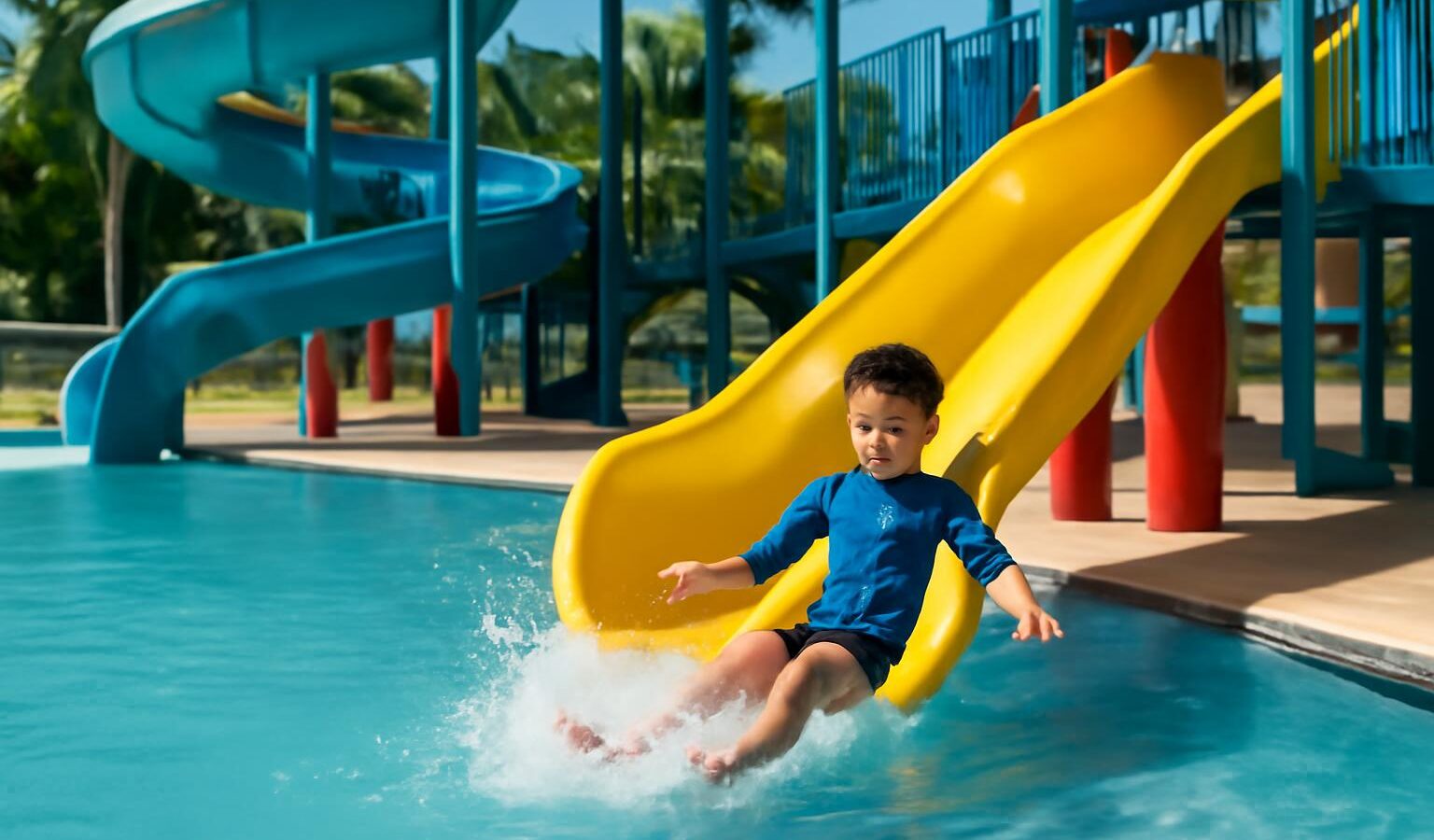
A day at the water park is one of the highlights of the school holidays — but a little planning makes all the difference to keeping it fun. These water park safety tips will help your family enjoy the slides, wave pools and lazy rivers while keeping everyone, especially young children, safe.
Water parks are exciting, busy and full of distractions, which is exactly why accidents can happen. Crowds, slippery surfaces, varied water depths and the sheer thrill of it all mean that safety has to be a deliberate priority, not an afterthought. The good news is that with active supervision and a few sensible rules, a water park is a wonderful place for families. Here is how to make the most of it safely.
Supervision is everything
No safety tip matters more than this: actively supervise your children at all times. Lifeguards are there to help, but they are watching many people at once and can never replace a parent’s close attention.
- Stay within arm’s reach of young children and weak swimmers at all times in the water.
- Assign a “water watcher” among the adults — one person whose only job for a set period is to watch the children, with no phone, no chatting and no distractions. Take turns.
- Count heads regularly if you are with a group of children, so no one is unaccounted for.
- Agree a meeting point in case anyone gets separated in the crowds.
Remember that drowning is usually silent and fast — there is rarely the splashing and shouting people expect. Constant visual contact is what keeps children safe.
Know your children’s swimming ability
Be honest about how well each child can swim, and match their activities to their ability rather than their confidence — children often overestimate themselves. A child who can manage the shallow play area may not be ready for a deep wave pool. Weak or non-swimmers should stay in shallow, supervised areas regardless of how keen they are.
Building genuine water competence before the holidays pays off all year. Our kids swimming lessons and water survival skills coaching help children become safer and more capable around water of all kinds.
Use life jackets wisely
For non-swimmers and young children, a properly fitted, approved life jacket adds an important layer of safety. Choose a coast-guard-approved life jacket sized to the child’s weight, not inflatable armbands or pool toys, which can deflate or slip off and give a false sense of security. A life jacket supports a child but never replaces hands-on adult supervision.
Follow the slide and ride rules
Water slides are great fun but cause many water-park injuries, so the posted rules exist for good reason.
- Always check and obey height, age and weight restrictions for each ride.
- Go down slides feet-first and on your back unless instructed otherwise — never head-first.
- One person at a time, and wait for the signal or for the previous rider to clear.
- Move away from the splash-down area quickly so the next rider does not land on you.
- No running on wet, slippery walkways and around pool edges.
Beat the sun and stay hydrated
Singapore’s sun is strong and easy to underestimate when you are cool in the water. Apply water-resistant sunscreen and reapply often, wear hats and rash guards, take shade breaks, and drink plenty of water throughout the day. Heat exhaustion and sunburn can quietly ruin a fun outing. It also helps to plan regular rest breaks: tired children become careless children, and fatigue is a common factor in water accidents. A short snack-and-shade pause every hour keeps everyone fresher and safer for longer.
Pack and plan for a safe day
A little preparation before you leave home makes the day run more smoothly and safely. Bring approved life jackets if your children are not confident swimmers rather than relying on hired equipment, pack water-resistant sunscreen and refillable water bottles, and dress children in bright, easily spotted swimwear so they are simpler to keep track of in busy crowds. On arrival, take a few minutes to walk the park with your children, point out the lifeguards, agree which areas are off-limits for now, and set the meeting point in case anyone gets separated. Setting these expectations early prevents most problems later.
Watch the wave pool and lazy river
Wave pools deserve extra care: the water deepens as you move out, waves can knock small children off their feet, and the area gets crowded. Keep young or weak swimmers near the shallow edge and within arm’s reach. On lazy rivers, make sure children wear appropriate flotation and never let them drift off alone.
Frequently asked questions
At what age can my child go to a water park?
There is no single age — it depends on the child and the attractions. Many parks have toddler areas suitable for little ones with close supervision. Always match activities to your child’s swimming ability, and keep young children within arm’s reach in any water.
Are armbands or floaties safe at water parks?
Inflatable armbands and pool toys can deflate or slip off and give a false sense of security, so they are not a substitute for supervision. A properly fitted, approved life jacket is far safer for non-swimmers, and adult supervision is essential either way.
Can I rely on the lifeguards to watch my child?
No. Lifeguards provide vital safety cover, but they are watching many people at once and cannot give your child individual attention. Parents must actively supervise their own children at all times.
Why are water slides risky and how do we use them safely?
Slides cause many water-park injuries through collisions and falls. Stay safe by obeying height and age limits, going feet-first, riding one at a time, clearing the splash-down area promptly and never running on wet walkways.
How do I keep my child safe in a wave pool?
Wave pools get deeper away from the edge and the waves can knock small children over. Keep young or weak swimmers near the shallow end, within arm’s reach, and consider an approved life jacket for non-swimmers.
Does my child need to swim well before visiting a water park?
It is not required for shallow play areas with close supervision, but good swimming and water-survival skills make any water outing much safer. Lessons before the holidays are a worthwhile investment in your child’s safety.
Help your child be safer in the water
The best water-park safety measure of all is a child who is genuinely confident and capable in water. To build those skills with an experienced, AUSTSWIM-accredited coach, WhatsApp Coach U.K. on +65 9021 1254. As an independent swim school coaching families island-wide, we make learning safe and fun. Explore our kids swimming lessons, our water survival and life-saving skills programme, or all our services.