
Water Confidence Activities for Young Children
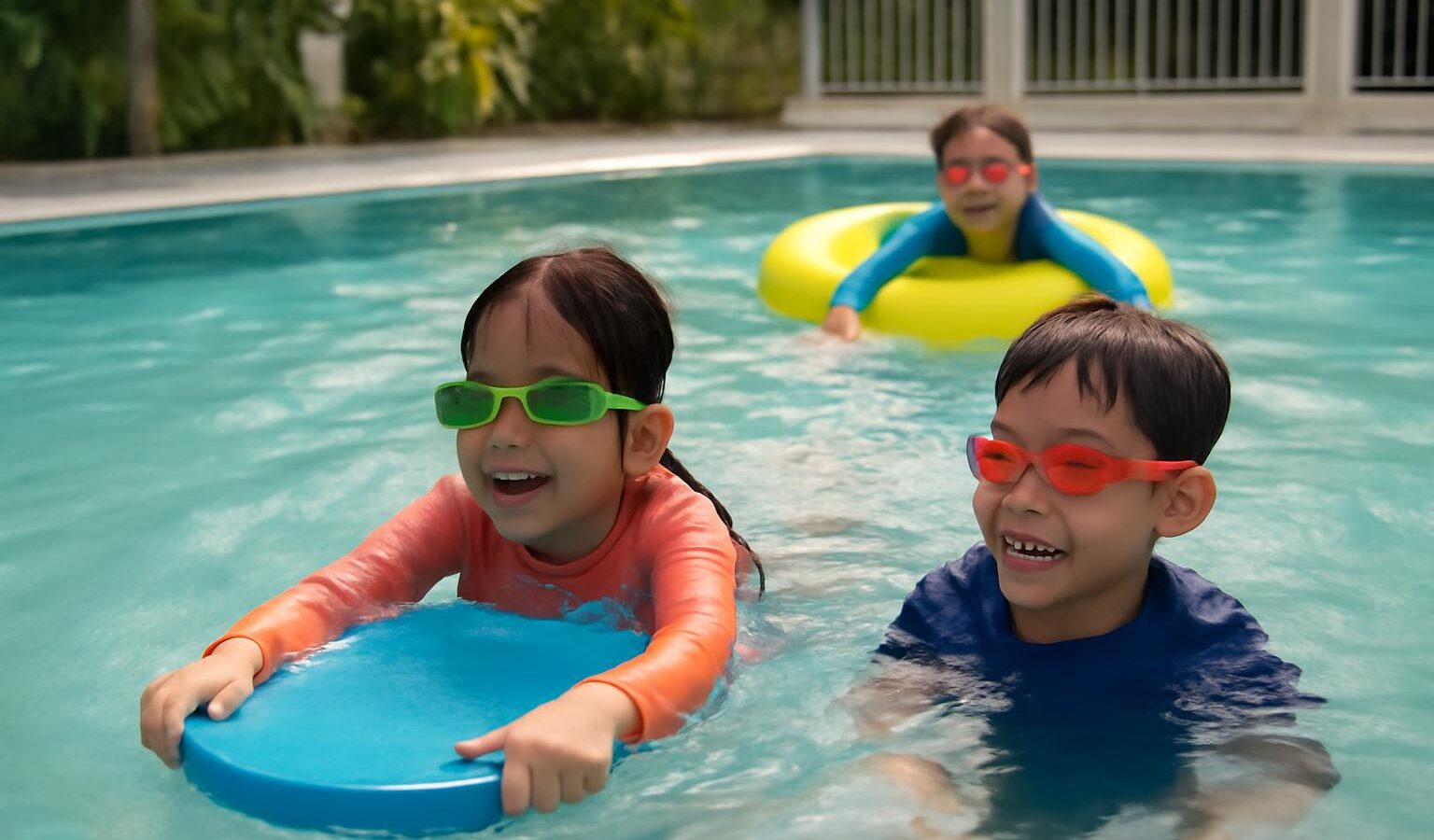
The right water confidence activities turn a nervous, splashy first encounter into a child’s favourite part of the week — and they lay the foundation every swimming skill is built on. Before a child can float, kick or put their face under, they need to feel genuinely safe and curious in the water, and that feeling is something you can nurture at home, at the condo pool or during gentle play sessions.
Water confidence is not a single milestone you tick off. It is a slow, joyful build-up of small wins: blowing a bubble, wetting the face, letting go of the wall for two seconds, floating with a little support. When young children collect enough of these wins, the fear that used to dominate the pool deck quietly fades. This guide shares the same kinds of activities Coach U.K. uses with nervous beginners, adapted so parents can try them safely between or before formal lessons.
Why water confidence matters more than technique
A child who is frightened cannot learn. When the body is tense and the breathing is shallow, the brain is in survival mode, not learning mode. That is why pushing technique too early — “kick harder”, “put your face in now” — often backfires and creates lasting aqua phobia. Confidence first, skills second is the order that actually works.
Coach U.K. has coached since 1999 and specialises in nervous beginners and aqua phobia, alongside babies, toddlers and children with special needs. The consistent lesson from 25-plus years on the pool deck is that confident children progress faster, retain skills longer and stay safer, because they can think clearly even when something unexpected happens in the water.
Gentle warm-up: getting comfortable at the water’s edge
Start every session out of the deep, where the child can stand or sit safely with shoulders well above the surface. The goal of the warm-up is simply to associate the pool with fun and calm.
- Splash painting: let your child “paint” the pool deck or your arm with cupped handfuls of water. It normalises splashing and getting wet without any pressure.
- Walk and march: hold hands and march through shallow water, feeling the gentle resistance. Sing a counting song to keep it rhythmic and playful.
- Pouring games: bring a small watering can or cup. Let them pour water over their own hands, then arms, then shoulders, working towards the head only when they are ready.
Water confidence activities for the face and breathing
Getting comfortable with water on and around the face is the single most important early skill — and the one that triggers the most resistance. Never force it. These water confidence activities make it a game the child chooses to play.
Blowing bubbles
Start by blowing bubbles in a cupped hand of water, then at the surface with the mouth, then mouth and nose together. Pretend you are blowing out birthday candles or making a “motorboat” sound. Bubbles teach the child to breathe out in the water, which is the foundation of all breathing control later.
Kisses and chin dips
Ask your child to “kiss” the water surface, then dip their chin, then their mouth. Each step is tiny and reversible. Celebrate every attempt, even a half-hearted one — enthusiasm from you is the reward they are working for.
Wetting the face
Once chin and mouth are easy, progress to gentle splashes on the cheeks and eventually the whole face. Counting games (“can you stay wet for three claps?”) give the child a sense of control over how long and how much.
Floating and letting go
Floating feels unnatural to a frightened child because it means trusting the water to hold them. Build it gradually with plenty of physical support.
- Star shapes: in shallow water, support your child under the back and shoulders while they spread arms and legs into a “starfish”. Even a second or two of relaxed floating is a big win.
- Back float with support: cradle the back of the head in your hands and let the ears go just under the surface. Keep your face close and your voice calm so they feel anchored.
- Rocket pushes: let them push gently off the wall or your hands into a held glide, learning that the water carries them forwards.
Flotation aids such as armbands or noodles can help a child relax, but use them as a confidence bridge, not a permanent crutch — the aim is to gradually reduce support so the child trusts their own buoyancy.
Games that build confidence without the child noticing
The best learning happens when children are too busy having fun to feel afraid. Try these:
- Treasure hunt: drop bright sinking toys in shallow water and reach (later, dip) to collect them. This sneaks in face-wetting and reaching under the surface.
- Ring a ring o’ roses: the “all fall down” moment can become a gentle, giggly dip if the child is ready.
- Humpty Dumpty: sitting on the edge and “falling” into a parent’s waiting arms teaches safe, supervised entries.
- Motorboat: tow your child around while they blow bubbles and kick, combining several skills in one joyful game.
Safety first — always
Water confidence activities are wonderful, but they are never a substitute for vigilant supervision. Young children can get into difficulty in seconds and in very shallow water. Stay within arm’s reach at all times, keep the ratio low, and never rely on flotation aids as a safety device. Building genuine technique and water-survival skill is best done with hands-on, in-person coaching from a qualified instructor who can read your child’s body language and progress them safely.
Frequently asked questions
At what age can I start water confidence activities?
You can begin gentle, supervised water play from babyhood. Warm, shallow water and lots of skin-to-skin contact suit infants and toddlers, while the games in this guide work beautifully from around two to six years. The key is matching the activity to the child’s comfort, not their age.
My child cries every time we go near the pool. What should I do?
Slow right down and stay where they feel safe — even if that means sitting on the steps for several sessions just splashing. Never force the face under or let go without warning, as a single frightening moment can set progress back. Patience, predictability and a calm parent almost always win in the end.
Are armbands and floats a good idea?
They can help a nervous child relax and enjoy the water, but they change how the body sits and can give a false sense of safety. Use them as a temporary confidence bridge under close supervision, and gradually reduce the support so your child learns to trust their own buoyancy.
How long until my child is confident in the water?
Every child is different. Some settle in a few sessions; nervous beginners may take many weeks of short, positive visits. Consistency matters more than intensity — frequent short, happy sessions beat occasional long ones that end in tears.
Do these activities replace formal swimming lessons?
No. They prepare a child to get the most out of lessons by removing fear first. Structured technique, stroke development and proper water-survival skills are best taught by a qualified coach in person, who can keep your child safe while progressing them.
How do these activities link to the SwimSafer syllabus?
SwimSafer is Singapore’s national water-safety programme, and early stages reward exactly these foundations — entering the water, blowing bubbles, floating and gliding. We coach and prepare students for the SwimSafer syllabus as an independent swim school; we are not the official programme, so please confirm current stage requirements with the official SwimSafer syllabus or Singapore Aquatics.
Ready to build your child’s water confidence the right way?
If your little one is nervous in the water — or you simply want expert, patient guidance — WhatsApp Coach U.K. on +65 9021 1254 to arrange private or small-group lessons at a public, condo or home pool island-wide. Coach U.K. is AUSTSWIM-accredited with 25-plus years of experience settling nervous beginners. Learn more about our lessons for nervous beginners, our kids’ swimming lessons and our baby and toddler programme, or see how it all maps to the SwimSafer stages.