
Verrucas & Pool Hygiene: What Parents Should Know
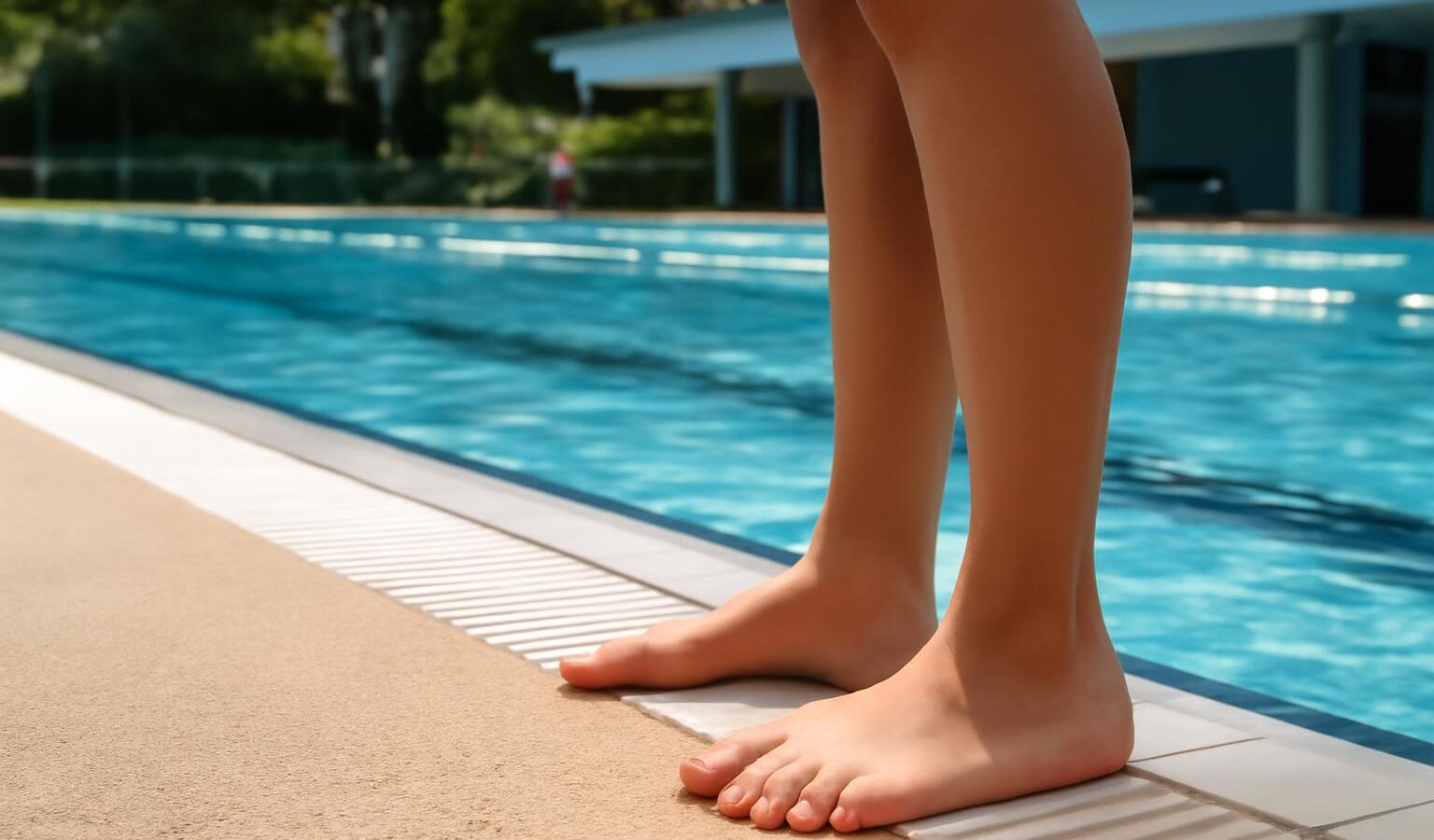
Catching verrucas at the swimming pool is a common worry for parents, but with a few simple hygiene habits the risk is easily reduced — and even if your child does pick one up, verrucas are harmless and treatable, not a reason to give up swimming.
Verrucas (also called plantar warts) are small, rough lumps that appear on the soles of the feet. Because they are linked with warm, damp communal areas like pool decks and changing rooms, swimming often gets the blame. This guide explains what verrucas actually are, how they really spread, sensible prevention for swimming families, the treatment options, and — importantly — when to see a doctor or podiatrist rather than treating at home.
A note on who we are: SwimSafer (swimsafer.sg) is an independent private swim school. We coach and prepare students for the national SwimSafer syllabus, but we are not the official programme and are not affiliated with SportSG or Singapore Aquatics. Our head coach, Coach U.K. (Umesh “U.K.” Singh), is an AUSTSWIM-accredited swim teacher and certified Singapore Armed Forces life-saver, coaching since 1999. We are swim coaches, not medical professionals, so treat the health information below as general guidance and confirm anything specific with a doctor.
What is a verruca?
A verruca is simply a wart on the bottom of the foot, caused by the human papillomavirus (HPV) — a different, harmless strain from the ones that cause concern elsewhere in the body. The virus infects the top layer of skin and produces a thickened, often slightly grainy lump, sometimes with tiny black dots in the centre (these are clotted blood vessels, not “roots”). Because they grow on a weight-bearing surface, verrucas are often pushed flat into the sole and can feel like standing on a small pebble.
The reassuring news: verrucas are harmless. They are not dangerous, and in many cases — especially in children — they clear up on their own over months to a couple of years as the body’s immune system deals with the virus.
How verrucas really spread
The virus likes warm, moist environments and spreads through direct skin contact or via contaminated surfaces. Pool decks, communal showers and changing-room floors are classic spots, which is why swimming is associated with them. However, the virus also needs a way in — usually through small cuts, cracks or softened, wet skin. It does not leap onto perfectly intact, dry skin easily.
This is why prevention is mostly about not walking barefoot on shared wet floors and about looking after the skin on the feet — not about avoiding swimming altogether.
Sensible prevention for swimming families
- Wear flip-flops or pool sandals around the pool deck, in communal showers and in the changing rooms. This is the single most effective habit.
- Don’t share towels, socks or shoes, as the virus can transfer on these.
- Dry feet thoroughly after swimming, including between the toes — dry skin is more resistant to infection.
- Cover an existing verruca with a waterproof plaster or a special verruca sock while swimming, both to reduce spreading it to others and to keep it from worsening.
- Keep feet healthy: moisturise dry, cracked skin and avoid going barefoot on communal wet surfaces.
Should a child with a verruca still swim?
Yes. Current guidance from health bodies is that children with verrucas do not need to be kept out of swimming lessons or the pool. The old practice of banning swimmers with verrucas has largely been dropped, because keeping a child out of the water does more harm to their swimming progress than the small risk to others. The sensible compromise is to cover the verruca with a waterproof plaster or verruca sock during lessons. So there is no need to pause your child’s swimming journey over a verruca.
Treatment options
Because most verrucas eventually clear on their own, doing nothing is a perfectly reasonable option, particularly for children, as long as the verruca is not painful. If treatment is wanted — usually because it is sore or persistent — the common approaches include:
- Over-the-counter treatments, typically containing salicylic acid, applied over several weeks to gradually break down the thickened skin. Patience is essential; these take time.
- Cryotherapy (freezing), available from some clinics and pharmacies, which freezes the verruca off over one or more sessions.
- Professional treatment from a podiatrist or doctor for stubborn, painful or spreading verrucas.
Avoid digging at or cutting a verruca yourself, which can cause infection and spread the virus. Always follow product instructions carefully, and keep strong acid treatments away from healthy surrounding skin.
When to see a doctor or podiatrist
Most verrucas need no medical attention, but you should seek professional advice if:
- The verruca is painful, bleeding, or changing in appearance.
- It is spreading, or there are multiple verrucas.
- Home treatment over several weeks has not helped.
- The affected person has diabetes, poor circulation, or a weakened immune system — in these cases, do not self-treat foot problems; see a professional.
- You are unsure whether the lump is actually a verruca.
A podiatrist or doctor can confirm the diagnosis and recommend the right treatment. When in doubt, get it checked.
Keeping perspective
It is easy for a small thing like a verruca to feel like a big obstacle, but it should never be the reason a child stops swimming. Learning to swim is a genuine life-saving skill; a verruca is a minor, treatable nuisance. With flip-flops, dry feet and a waterproof plaster, your family can keep enjoying the pool with confidence.
Frequently asked questions
Can my child catch verrucas from the swimming pool?
It is possible, as the virus likes warm, damp communal areas like pool decks and changing rooms. However, it usually needs a small cut or softened skin to take hold, so wearing flip-flops around the pool and drying feet well greatly reduces the risk.
Should my child stop swimming if they have a verruca?
No. Health guidance no longer recommends keeping children with verrucas out of the pool. Simply cover the verruca with a waterproof plaster or a verruca sock during lessons, and your child can carry on swimming normally.
Do verrucas go away on their own?
Often, yes — especially in children. The body’s immune system tends to clear the virus over several months up to a couple of years. If the verruca is painful or persistent, treatment can speed things along.
What’s the best way to prevent verrucas at the pool?
Wear flip-flops or pool sandals on the deck, in showers and in changing rooms; don’t share towels or footwear; dry feet thoroughly including between the toes; and cover any existing verruca when swimming.
How do I treat a verruca at home?
Over-the-counter salicylic acid treatments applied over several weeks are the usual home option, and require patience. Avoid cutting or digging at it. If it is painful, spreading, or not improving — or if the person has diabetes or poor circulation — see a doctor or podiatrist instead.
When should I see a doctor about a verruca?
See a professional if the verruca is painful, bleeding or changing, if there are several, if home treatment has not worked, if you are unsure what it is, or if the person has diabetes, poor circulation or a weakened immune system. This article is general guidance, not medical advice.
Keep your child swimming with confidence
A verruca is no reason to pause swimming lessons — with simple hygiene habits, your child can keep building water confidence and life-saving skills. WhatsApp Coach U.K. on +65 9021 1254 to get started. You might also like our kids swimming lessons, our water survival and life-saving skills and our SwimSafer stages guide.