
Caring for Long Hair When Swimming
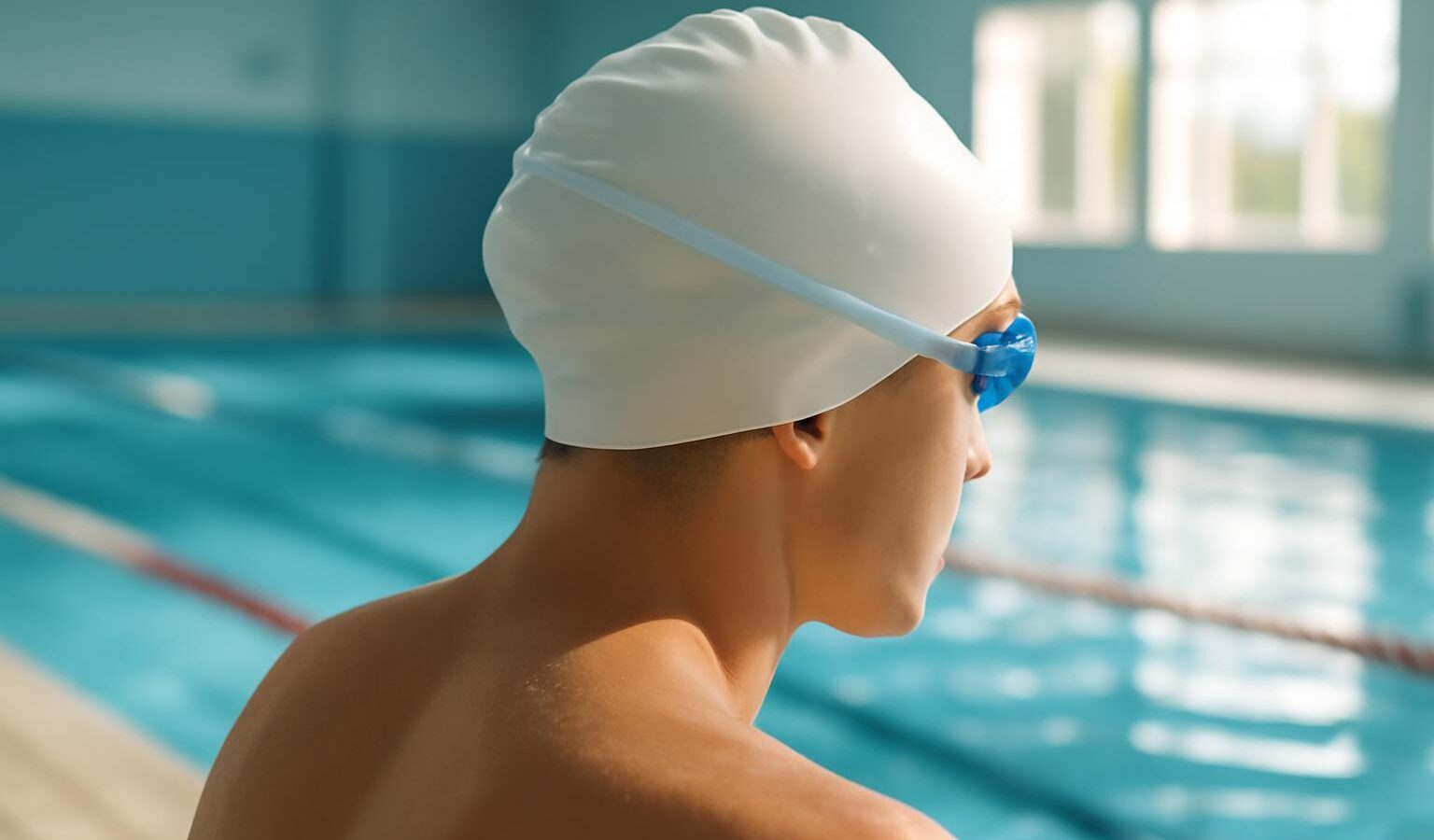
Good swimming long hair care is mostly about three simple habits: wet and protect your hair before you swim, wear a well-fitting swim cap, and rinse and condition straight after. With this routine, long hair stays healthy even with regular swimming.
Long hair and chlorinated pools are not natural friends. Chlorine and the sun can leave hair feeling dry, tangled or straw-like, which puts some swimmers off the water altogether. It needn’t be that way. A few easy steps before and after each session protect long hair and let you swim as often as you like. This guide shares practical, no-nonsense tips for children and adults with long hair.
A note on who we are: SwimSafer (swimsafer.sg) is an independent private swim school. We coach and prepare students for the national SwimSafer syllabus, but we are not the official programme and are not affiliated with SportSG or Singapore Aquatics. Our head coach, Coach U.K. (Umesh “U.K.” Singh), is an AUSTSWIM-accredited swim teacher who has coached swimmers of all ages since 1999.
Why chlorine and sun affect long hair
Chlorine keeps pool water clean, but it can also strip the natural oils that keep hair soft and shiny, leaving longer hair more prone to dryness and tangles. Singapore’s strong sun adds to the effect at outdoor pools. The longer hair soaks in untreated, the more noticeable the dryness — which is exactly why a protective routine works so well.
Before you swim
The trick is to stop your hair from drinking in pool water in the first place.
- Wet your hair with clean water first. Hair that is already saturated with tap water absorbs far less chlorinated pool water. This one step makes a real difference.
- Add a little conditioner. Smoothing a small amount of conditioner or leave-in conditioner through long hair before swimming creates a light protective layer.
- Tie it back. A plait or bun keeps long hair tidy, reduces tangling and helps it sit neatly under a cap.
- Wear a swim cap. A good cap is the single most effective protection, especially for very long hair.
Choosing and wearing a swim cap
A swim cap will not keep hair completely dry, but it dramatically reduces how much chlorine the hair is exposed to, and it keeps long hair out of your face so you can swim comfortably.
- Pick the right size. Caps come in sizes; a cap that is too small is uncomfortable and a too-large one slips off. For lots of long hair, a roomier cap helps.
- Tuck hair in neatly. Gather long hair into a low bun or plait and tuck it in before rolling the cap on from front to back.
- Wet hair first. Slightly damp hair slides under a cap more easily than dry hair.
- Be gentle. Take the cap off carefully afterwards to avoid pulling hair.
Both silicone and latex caps are widely available; choose whichever fits comfortably and, if anyone in the family has a latex sensitivity, opt for silicone. We are not recommending any particular brand — comfort and fit matter most.
After you swim — the most important part
What you do straight after swimming protects long hair the most.
- Rinse immediately. Wash chlorine out of your hair with clean water as soon as you finish. Do not let it dry in.
- Shampoo gently. A mild shampoo removes chlorine residue. Some swimmers use a clarifying or swimmer’s shampoo now and then, but a gentle everyday shampoo is fine for most.
- Condition well. Long hair especially benefits from a good conditioner after every swim to restore moisture and ease tangles.
- Detangle carefully. Use a wide-tooth comb on wet, conditioned hair, working from the ends upwards to avoid breakage.
- Dry gently. Pat with a towel rather than rubbing, and let hair air-dry where you can to limit heat damage.
Caring for children’s long hair
Children may not think about their hair at all, so the routine is down to the adults. Tie long hair back before lessons, use a swim cap, and make the post-swim rinse and condition part of the normal pool day. Detangle gently and patiently — wet long hair tangles easily and tugging can be uncomfortable. A leave-in detangling spray can make combing kinder after swimming.
Extra tips for very long or treated hair
If hair is very long, color-treated or chemically processed, it may need a little extra care, as these types can be more vulnerable to dryness. A weekly deep-conditioning or hair mask can help restore moisture, and a leave-in conditioner offers ongoing protection. If you have specific concerns about how swimming might affect treated hair, a hairdresser or trichologist can give tailored advice.
Don’t let hair stop you swimming
Hair care should never be the reason anyone skips swimming. The benefits — fitness, confidence, and the vital life skill of water safety — far outweigh a bit of extra hair care, which a simple routine handles easily. Protect it, rinse it, condition it, and enjoy the water.
Frequently asked questions
How do I stop chlorine drying out my long hair?
Wet your hair with clean water and add a little conditioner before swimming, wear a swim cap, and rinse and condition thoroughly straight after. Pre-soaking your hair so it absorbs less pool water, plus a good cap, prevents most chlorine dryness.
Does a swim cap keep hair completely dry?
No, a cap is not fully waterproof, but it greatly reduces how much chlorine your hair is exposed to and keeps long hair out of your face. Wet your hair and tuck it in neatly first for the best results.
Should I wash my hair after every swim?
Rinsing thoroughly with clean water after every swim is important to remove chlorine. Gentle shampooing and conditioning after each session helps long hair in particular stay soft and tangle-free. A heavier clarifying shampoo only needs occasional use.
How do I get long hair under a swim cap?
Tie it into a low bun or plait, wet it slightly, then roll the cap on from your forehead to the back of your head, tucking stray strands in as you go. A slightly roomier cap helps if there is a lot of hair.
My child’s hair gets badly tangled after swimming — what can I do?
Tie hair back and use a cap during lessons, condition it well after every swim, and detangle gently with a wide-tooth comb from the ends upwards. A leave-in detangling spray can make combing easier and more comfortable.
Is it bad to swim every day with long hair?
Not if you protect it. Daily swimmers keep long hair healthy with a consistent before-and-after routine and regular conditioning. If your hair is color-treated or chemically processed and you have concerns, a hairdresser can suggest extra care.
Ready to make a splash without the worry?
We coach children and adults of all ages to swim with confidence and good technique. WhatsApp Coach U.K. on +65 9021 1254 for a friendly chat about getting started. You might also explore our kids swimming lessons, adult swimming lessons and our full range of services.