
Swimming Lessons for Preschoolers in Singapore
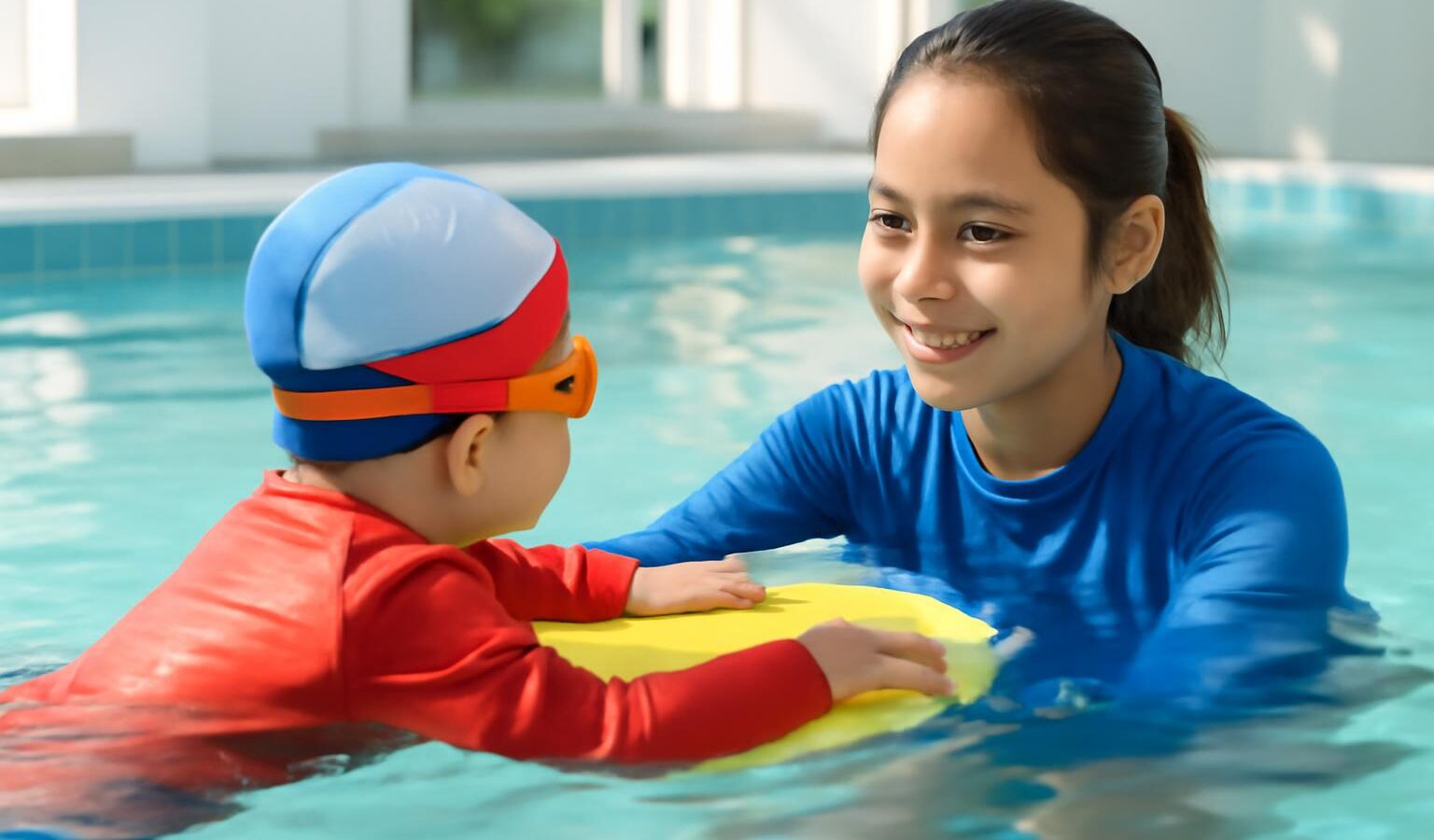
Swimming lessons for preschoolers in Singapore are the bridge between playful water familiarisation and real, structured swimming, and the years from roughly three to six are a wonderful window to build skill, safety and confidence. This guide explains what preschoolers learn, how to choose lessons, and how it all leads into the national SwimSafer syllabus.
By the preschool years, children are ready for more than splash-and-play. They can follow simple instructions, take turns, and concentrate for short bursts, which means lessons can start building genuine swimming skills and water-safety habits. In a water-surrounded city like Singapore, those skills are not just enriching, they are an important life safeguard. As an independent swim school, we coach preschoolers through these foundations and on toward the SwimSafer stages, and this guide shares what we have learned coaching this age group.
The right age and readiness
Most preschoolers are ready for structured lessons somewhere between three and four years old, though readiness varies. Signs that your child is ready include being able to follow a simple instruction, being comfortable being away from you for short periods, and showing curiosity rather than fear around water. Children who swam as babies or toddlers often slot in easily, but plenty of preschoolers start from scratch and do beautifully.
There is no need to worry if your child seems more cautious than others. Confidence builds at its own pace, and a patient, well-paced start is far more valuable than rushing. The aim is steady, enjoyable progress, not a race.
What preschoolers learn in swimming lessons
Good preschool lessons blend play with purposeful skill-building. Over time, your child will typically work on:
- Water comfort and breath control, including confident bubble-blowing, putting the face in, and gentle submersion.
- Floating on the front and back, a cornerstone survival and swimming skill.
- Gliding and kicking, learning to move through the water with a balanced body position.
- Basic propulsion with arms and legs, the building blocks of recognised strokes.
- Safe entries and exits, including climbing out unaided, an essential self-rescue skill.
- Simple water-safety understanding, such as never swimming alone and asking an adult first.
These skills map directly onto the early SwimSafer stages, so a preschooler who builds them well is set up to progress smoothly. You can preview what comes next on our SwimSafer stages explained page.
Independence, step by step
A key shift in the preschool years is the move toward genuine independence in the water. Whereas toddler sessions are parent-led, preschoolers increasingly work with the coach directly, building self-reliance, listening skills and pride in their own progress. We grow this independence gradually, always within a safe, supervised setting, so children gain real competence rather than false confidence. To be clear, no child of this age is ever “water safe,” and adult supervision remains essential at all times.
How to choose the right lessons
Class size and format
Preschoolers learn best with plenty of attention. Private one-to-one or small-group lessons mean more practice time, faster progress and a coach who can tailor the pace to your child. Larger classes can work for confident, sociable children, but shy or cautious preschoolers usually flourish with closer attention.
Coach experience and credentials
Look for a qualified, experienced coach who genuinely enjoys working with young children. Coach U.K. (Umesh “U.K.” Singh) is an AUSTSWIM-accredited swim teacher and certified Singapore Armed Forces life-saver who has coached since 1999, with specialities spanning young children, nervous beginners and children with additional needs. That depth of experience means lessons are safe, patient and pitched perfectly for a preschooler’s attention span and emotional needs.
Location and convenience
Practicality keeps lessons consistent, and consistency is what builds skill. Lessons that fit easily into your week are far more likely to stick. Coach U.K. travels to your own condominium, landed-home or private pool for private lessons, and for families who prefer a public swimming complex, a certified coach from our network can teach there instead. We coach island-wide with flexible timings, including lessons at condo pools, which many families find convenient for young children. When the time comes for a SwimSafer assessment, the test itself is conducted by certified assessors at a nearby public pool.
Supporting your preschooler at home
You can reinforce lessons with light, pressure-free support. Practise bubble-blowing in the bath, talk positively about swimming, and visit the pool together for relaxed fun in between lessons. Avoid quizzing or pressuring your child about progress; warmth and encouragement do far more than correction. Always keep these informal sessions supervised and gentle.
Frequently asked questions
What age should a preschooler start swimming lessons?
Many children are ready for structured lessons between three and four years old, though readiness varies. The best indicators are the ability to follow simple instructions, comfort being briefly away from you, and curiosity rather than fear around water.
How long until my preschooler can swim?
It varies widely with starting point, temperament and how regularly they swim. With consistent lessons, many preschoolers develop confident floating, gliding and basic propulsion over a number of months. Focus on steady progress rather than a fixed timeline.
Are private or group lessons better for preschoolers?
Private or small-group lessons give more individual attention, more practice time and a pace tailored to your child, which suits most preschoolers, especially shy or cautious ones. Confident, sociable children can also do well in small groups.
Do swimming lessons make my preschooler safe in water?
Lessons greatly reduce panic and build genuine skills, but no preschooler is ever fully water safe. Constant adult supervision within reach remains essential at every pool, beach and bath, regardless of how well your child swims.
How do preschool lessons connect to SwimSafer?
The comfort, floating, gliding and propulsion skills preschoolers learn map directly onto the early SwimSafer stages, setting children up to progress smoothly when they are ready. We coach toward the official syllabus; confirm current stage criteria with the SwimSafer syllabus or Singapore Aquatics.
What should my preschooler wear to lessons?
Well-fitting swimwear, a swim cap, and goggles they have worn before all help. Bring a warm towel, a change of clothes, water and a small snack, as young children get cold and hungry quickly after swimming.
Give your preschooler a confident start in the water
If you would like patient, expert-led swimming lessons for preschoolers in Singapore, WhatsApp Coach U.K. on +65 9021 1254 for a friendly chat and a quick assessment of your child’s readiness. Explore our kids swimming lessons, see what lies ahead with the SwimSafer stages, or browse all our services. We are an independent swim school dedicated to building real water confidence that lasts a lifetime.