
Swimming Lessons for Adults with Special Needs
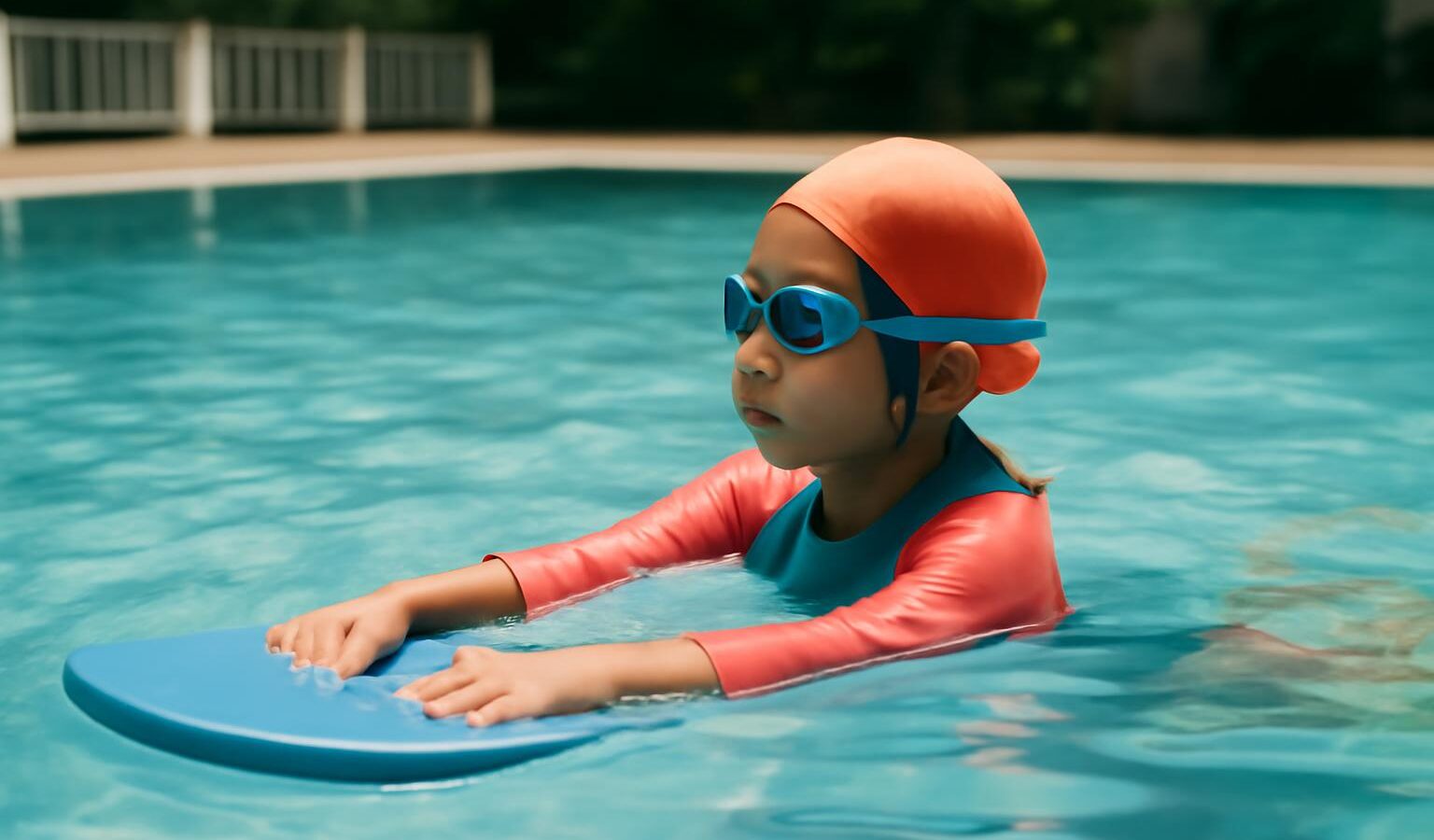
Thoughtful, patient special needs adult swimming lessons can open up a world of confidence, calm and independence for adults with autism, physical disabilities, learning differences or other support needs. With the right coach and a gentle, individual approach, the water becomes a place of freedom rather than fear.
Many adults with additional needs miss out on swimming because mainstream classes feel too fast, too crowded or too rigid. Yet swimming is one of the most rewarding and inclusive activities there is — the water supports the body, soothes the senses and offers genuine, lifelong skills. This guide explains how lessons are adapted, what to expect, and why one-to-one in-person coaching makes such a difference.
Why swimming suits adults with special needs
The water offers benefits that are hard to find elsewhere, and they reach far beyond simply learning to swim:
- Physical freedom: buoyancy supports the body, allowing movement that may be difficult or painful on land — wonderful for adults with physical disabilities or limited mobility.
- Sensory calm: for many autistic adults, the steady pressure and quiet of water is regulating and soothing.
- Fitness and health: gentle swimming is excellent low-impact exercise for the heart, lungs and muscles.
- Confidence and independence: mastering a new skill builds self-belief, and water competence is an important safety skill for life.
- Wellbeing: rhythmic movement in water is calming and can lift mood and ease stress.
How lessons are adapted
There is no single “special needs lesson” — every adult is different, and the whole point is to shape the session around the individual. Coach U.K. has specialist experience supporting learners with autism, Down syndrome, ADHD and physical disabilities, and lessons are built on understanding each person first.
Getting to know the learner
Lessons begin with a conversation — with the adult and, where helpful, a family member or carer — to understand their abilities, sensory preferences, communication style, any medical considerations, and what they hope to achieve. This shapes everything that follows.
A calm, predictable structure
Many learners do best with routine and clear, simple steps. Lessons often follow a familiar pattern each time, breaking skills into small, manageable parts. Clear, consistent communication — using simple language, demonstrations or visual cues as needed — helps the learner feel secure and in control.
Adapting to sensory and physical needs
- Sensory sensitivities: a quieter pool, a calm pace and gradual introduction to the water help adults who find noise, crowds or splashing overwhelming.
- Physical support: movements, entry methods and flotation support are adapted to each person’s mobility and strength.
- Communication differences: instructions are given in whatever way works best, with plenty of patience and repetition.
- Pacing: there is never any rush — progress is celebrated at the learner’s own speed.
What lessons typically cover
The journey is paced entirely to the individual, but it often moves gently through familiar stages:
- Water comfort: getting used to the water, wetting the face, and feeling safe and relaxed.
- Breathing and bubbles: learning to breathe out calmly in the water.
- Floating: trusting the water to support the body, including the restful back float.
- Movement and gliding: gentle kicking, gliding and simple arm movements.
- Water safety skills: staying calm, floating to rest, and basic survival skills suited to the learner.
For some adults, simply being calm and happy in the water and floating safely is a wonderful and meaningful goal. For others, full strokes follow in time. Both are successes.
Why one-to-one in-person coaching matters
For adults with additional needs, private one-to-one coaching is usually far more effective than a busy group class. The pace, attention and reassurance are entirely theirs, the environment can be kept calm, and the coach can respond moment to moment to how the learner is feeling that day. Crucially, swimming and water safety are physical, hands-on skills that simply cannot be learned safely from a screen — a qualified coach in the water can give support, adapt instantly and keep the learner safe in a way no video ever could. Lessons always take place in a supervised setting with safety as the first priority.
The value of a calm, familiar setting
Where lessons happen matters as much as how. A warmer, quieter pool at a less crowded time of day reduces sensory stress and helps the learner concentrate. Most adults feel most at ease in the familiar surroundings of their own condo or home pool, where the environment is private and predictable, and Coach U.K. travels to you island-wide with flexible timings. Where a public swimming complex works better for someone, lessons can also be arranged there with a certified coach from our network at a quieter time of day. Lessons can be arranged in whatever way helps the individual feel safest and most comfortable.
Frequently asked questions
Can an adult with autism learn to swim?
Yes. Many autistic adults thrive in the water, which can feel calming and regulating. The key is a patient, one-to-one approach with a predictable structure, clear communication and a quiet setting, adapted to the individual’s sensory preferences and goals.
Do you offer lessons for adults with physical disabilities?
Yes. Water supports the body and allows movement that may be difficult on land, making swimming especially valuable. Entry methods, support and movements are adapted to each person’s mobility and strength, always with safety as the priority.
Are lessons one-to-one or in groups?
For adults with additional needs, private one-to-one lessons are usually best because the pace, attention and reassurance are entirely theirs and the environment can be kept calm. Lessons are arranged at your own familiar condo, landed-home or private pool island-wide, with Coach U.K. coming to you.
What if the learner is very anxious about water?
That is completely understood and common. Coach U.K. specialises in nervous beginners and aquaphobia, beginning in shallow water with no pressure and building trust gradually. Many anxious adults become genuinely comfortable and happy in the water over time.
What goals are realistic?
Goals are shaped around the individual. For some, being calm and able to float safely in the water is a meaningful and worthy achievement; for others, full strokes follow in time. Every step of progress is valued, at the learner’s own pace.
How do I get started?
The first step is a friendly chat about the learner’s needs, abilities and hopes, so lessons can be tailored from the very first session. You are welcome to involve a family member or carer in that conversation.
Start a tailored swimming journey today
If you or an adult family member with additional needs would like to learn to swim in a calm, supportive way, message Coach U.K. on WhatsApp at +65 9021 1254 for a warm, no-pressure chat. With AUSTSWIM accreditation, life-saving certification, specialist special-needs experience and coaching since 1999, he will shape every lesson around the individual. Explore our special needs swimming lessons, our adult swimming lessons, gentle help for nervous beginners, and convenient condo pool lessons.