
Swimming for Children with Asthma
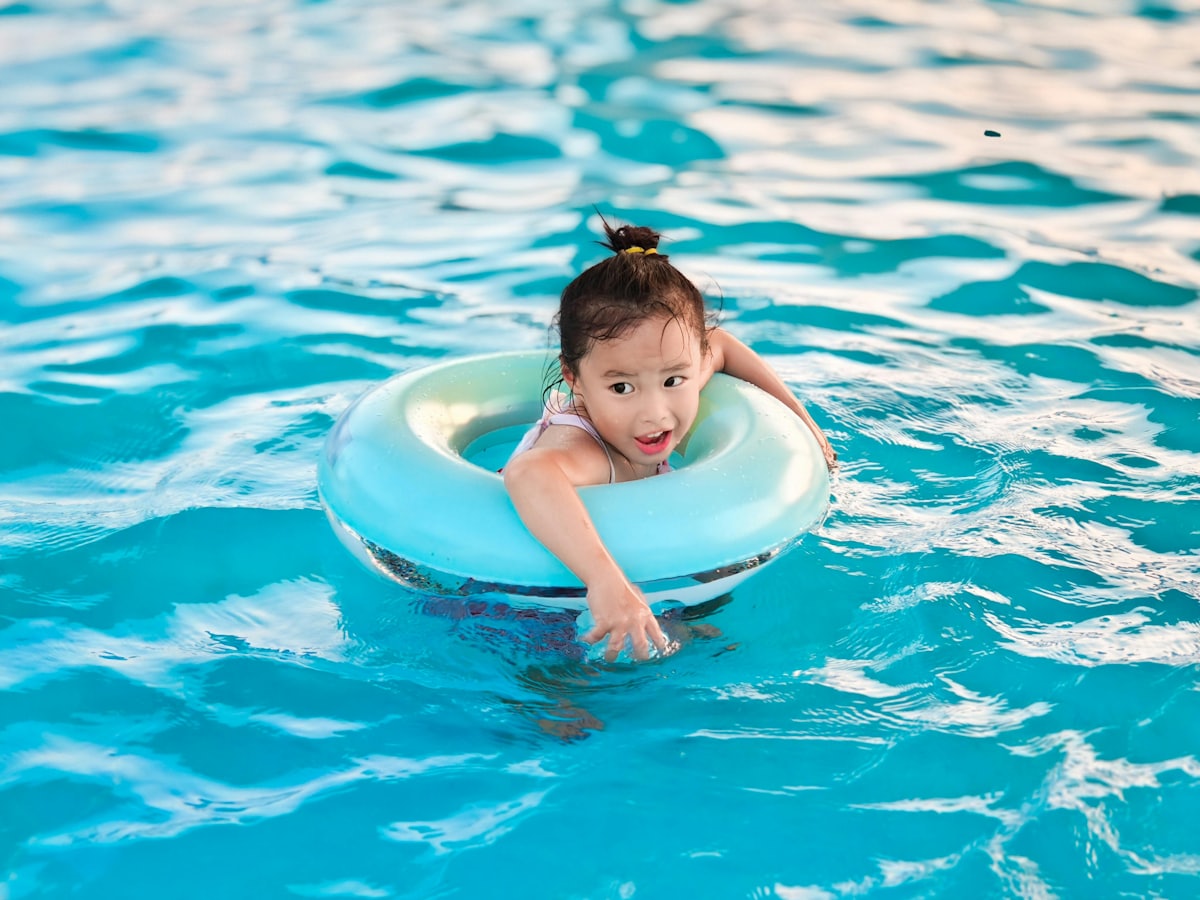
Swimming and asthma are a surprisingly good match: of all the sports, swimming is often the gentlest on the airways and one of the best for building strong, healthy lungs. With sensible precautions and a coach who understands the condition, most children with asthma can swim safely, confidently and with real benefit.
If your child has asthma, you may feel cautious about exercise — and that is completely understandable. But staying active is important for children with asthma, and swimming is frequently recommended as an ideal activity. This guide explains why, how to swim safely, and what good lessons look like for a child who wheezes or carries an inhaler.
Important: always follow your child’s doctor’s advice and asthma action plan. The information here is general and does not replace medical guidance from your paediatrician.
Why swimming is so good for children with asthma
Several features of swimming make it particularly well suited to young lungs.
- Warm, humid air. The moist air just above a pool’s surface is far gentler on the airways than the cold, dry air of many land sports, which can trigger symptoms.
- Breath control training. Swimming naturally teaches rhythmic, controlled breathing, which can help children manage their breath and feel more in control.
- Stronger respiratory muscles. Regular swimming gently builds the muscles used for breathing, supporting overall lung fitness.
- Whole-body, low-impact fitness. Good general fitness helps children cope better with their asthma day to day.
- Confidence and calm. Learning to breathe steadily and move comfortably in the water can ease the anxiety that sometimes accompanies asthma.
Many competitive swimmers around the world have asthma — proof that the condition need not hold a child back in the pool when it is well managed.
Swimming safely with asthma
Safety comes from preparation, not avoidance. With a few sensible habits, the pool becomes a place where your child can thrive.
Have the asthma action plan ready
Make sure your child’s reliever inhaler is always at the poolside, never in a bag across the deck. Everyone supervising — including the coach — should know where it is and what your child’s plan says to do if symptoms appear.
Warm up gently
A gradual warm-up helps the airways adjust and reduces the chance of exercise-related symptoms. Avoid sudden, intense bursts at the very start.
Mind the chlorine
For most children, well-maintained pools are fine. However, strong chlorine fumes, especially in poorly ventilated indoor pools, can irritate some children’s airways. Outdoor pools, or quieter, well-ventilated condo pools, can be a gentler choice if your child is sensitive. Watch how your child responds and adjust accordingly.
Know the warning signs
Stop and rest at the first sign of wheezing, persistent coughing, chest tightness or unusual breathlessness, and follow the asthma action plan. Never push a child through symptoms.
Stay warm afterwards
Getting cold can sometimes trigger symptoms, so dry off and warm up promptly after swimming.
What to tell your coach
Good communication keeps your child safe. Before lessons begin, share:
- That your child has asthma, and what typically triggers it.
- Where the reliever inhaler is kept and how it is used.
- Your child’s asthma action plan and any advice from the doctor.
- Any recent flare-ups or changes in their condition.
- Signs that mean your child should stop and rest.
A responsible coach will welcome this information and build it into how lessons are paced.
Coaching that understands young swimmers
SwimSafer is an independent private swim school led by founder and head coach Umesh “U.K.” Singh (Coach U.K.). He is an AUSTSWIM-accredited swim teacher, a certified Singapore Armed Forces life-saver and an open-water swim trainer who has coached since 1999 — more than 25 years, much of it with children of all kinds, including nervous beginners and those who need a gentle, attentive approach.
For a child with asthma, that attentiveness matters. Lessons are one-to-one or small group, so the pace is set by your child, with plenty of rest, gentle warm-ups and a calm, encouraging atmosphere. Coach U.K. teaches privately at your own condo, landed-home or private pool island-wide, travelling to you — useful if you prefer a particular, well-ventilated pool environment for your child’s airways. If you would rather learn at a public swimming complex, we can arrange a certified, NROC-registered coach from our network to teach there; either way, timings are flexible to suit your family. If a SwimSafer test is on the horizon, the assessment is conducted by our certified assessors.
Building lungs and confidence over time
With consistent, well-managed lessons, many children with asthma not only learn to swim but become genuinely fit and confident in the water. The breath control they develop is a skill for life, and the sense of “I can do this” often spills over into how they manage their asthma generally. As always, the aim is your child’s independence — safe, capable and happy in the water.
If you would like to build towards the national programme, we coach and prepare students for the SwimSafer syllabus. As an independent school we are not the official programme and are not affiliated with SportSG or Singapore Aquatics; because requirements can change, please confirm current details with the official SwimSafer syllabus or Singapore Aquatics. See our SwimSafer stages explained guide for an overview.
Frequently asked questions
Is swimming safe for a child with asthma?
For most children with well-managed asthma, swimming is considered one of the best and safest sports, thanks to the warm, humid pool air. Always follow your child’s doctor’s advice and asthma action plan, and keep the reliever inhaler at the poolside.
Can swimming cure or improve my child’s asthma?
Swimming does not cure asthma, but it can improve general fitness, breathing control and respiratory muscle strength, which may help your child cope better with the condition. It should complement, not replace, prescribed treatment.
Could chlorine make my child’s asthma worse?
For most children, well-maintained pools are fine. Strong chlorine fumes in poorly ventilated indoor pools can irritate some sensitive airways. If you notice this, try an outdoor or well-ventilated pool and discuss it with your doctor.
Should my child use their inhaler before swimming?
Some children are advised to use a reliever before exercise as part of their asthma plan. Only do this on your doctor’s instruction — follow the action plan they have given you.
What should we do if symptoms start during a lesson?
Stop swimming, rest, and follow the asthma action plan, including using the reliever inhaler as prescribed. Seek medical help if symptoms do not settle. A good coach will always stop the lesson and prioritise your child’s breathing.
My child is nervous as well as asthmatic. Can you help?
Yes. A calm, patient, one-to-one approach suits anxious children well, and gentle breath-control work can ease both nerves and breathing. Lessons go entirely at your child’s pace.
Ready to help your child breathe easy in the water?
To talk through your child’s asthma and arrange a gentle, well-paced first lesson, WhatsApp Coach U.K. on +65 9021 1254. Learn more about our kids swimming lessons, our supportive approach for nervous beginners, or contact us with any questions. For peace of mind, caregivers may also wish to take a certified CPR and first-aid course. We will keep your child safe, comfortable and confident every step of the way.