
Helping an Anxious Child Enjoy Swimming
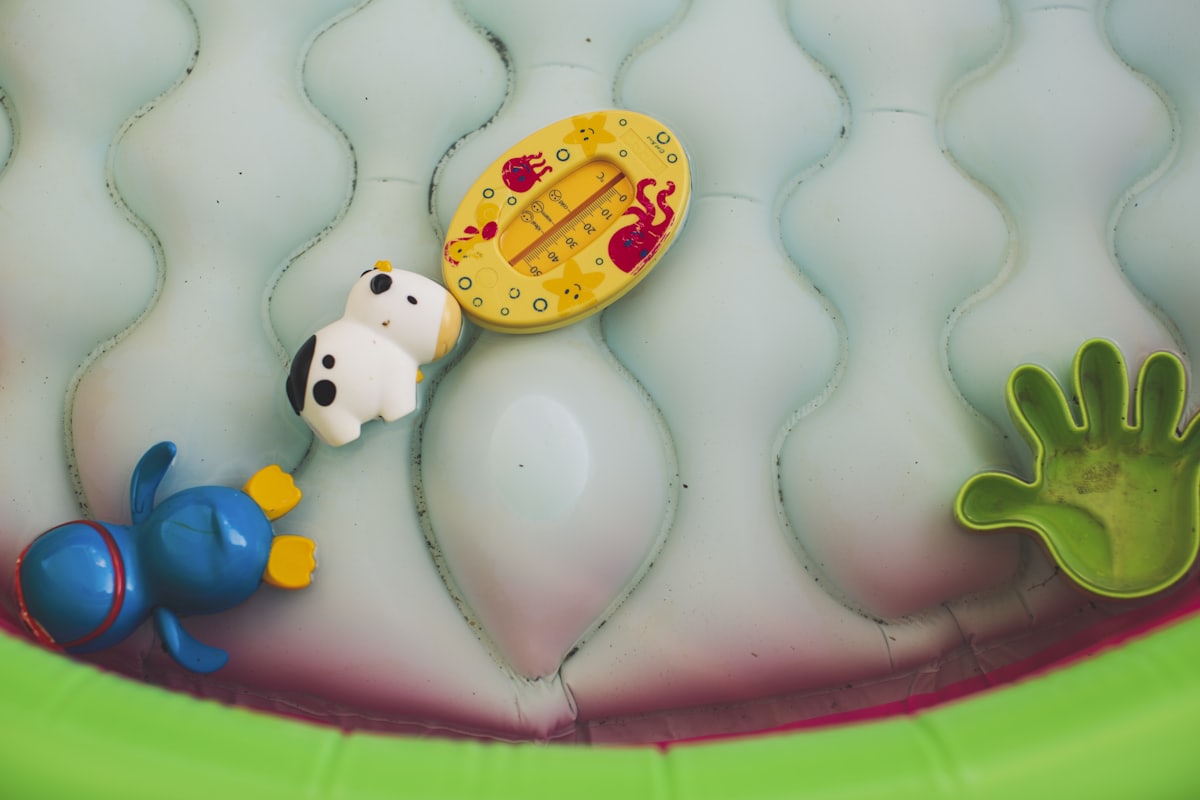
Anxious child swimming does not have to mean tears at the pool gate. With a patient, step-by-step approach and a coach who understands fear, a nervous child can move from clinging to the wall to genuinely enjoying the water — at their own pace, on their own terms.
If your child cries, freezes or refuses to get in the pool, you are not alone, and your child is not “being difficult”. Water fear is common and completely normal. The good news is that it is also very treatable. The wrong approach — rushing, forcing, or shaming — usually makes things worse. The right approach builds trust first and skills second, and the results can be transformational.
Why some children feel anxious in water
Understanding the fear is the first step to easing it. An anxious child is usually responding to something real, even if they cannot put it into words.
- A past scare. A slip, a face-full of water, or being dunked once can leave a lasting memory.
- Sensory overload. Cold water, splashing, echoey pools and crowds can overwhelm a sensitive child.
- Fear of the unknown. Not being able to see the bottom, or not knowing what will happen, feels unsafe.
- Loss of control. Water on the face, water in the ears, or feeling unsteady can trigger panic.
- Picking up on adult nerves. Children are remarkably good at sensing a parent’s own worry about water.
None of these mean your child cannot learn to swim. They simply tell us where to start: with safety, trust and very small steps.
The golden rule: trust before skills
An anxious child cannot learn while their nervous system is in fight-or-flight. So the first job of a good coach is not freestyle or kicking — it is helping your child feel completely safe. Only when a child feels secure can they begin to absorb new skills.
That means early sessions might involve simply sitting on the steps, splashing with toys, or blowing bubbles in a cup of water. To an onlooker it may not look like a “real swimming lesson”. In fact, it is the most important lesson of all, because everything else is built on it.
A step-by-step path out of fear
Step 1: getting comfortable near the water
Before anything else, the child learns that the pool is a safe, fun place. Games on the steps, pouring water, and watching others having fun all help the body relax.
Step 2: water on the body and face
Gradually — and always with the child in control — water is introduced to the hands, arms, shoulders and eventually the face. Blowing bubbles is a wonderful milestone because it turns “water on my face” from a threat into a game.
Step 3: floating and feeling supported
With a coach’s steady hands and gentle flotation aids, the child learns that the water holds them up. This is often a turning point: the moment a nervous child realises the water is not out to get them.
Step 4: movement and independence
Kicking, gliding and reaching come next, with support reduced slowly as confidence grows. By now the child is usually proud, engaged and keen — a world away from the child who would not get in.
What gentle, expert lessons look like
SwimSafer is an independent private swim school, and lessons for anxious children are led by founder and head coach Umesh “U.K.” Singh (Coach U.K.). He is an AUSTSWIM-accredited swim teacher, a certified Singapore Armed Forces life-saver and an open-water swim trainer who has coached since 1999 — over 25 years. Helping nervous beginners and children with aqua phobia is one of his specialities.
- One-to-one, calm and unhurried. No queue of children, no pressure to keep up, no fixed pace.
- Child sets the pace. The coach reads the child’s signals and never forces a step before they are ready.
- Predictable and reassuring. The same warm greeting, the same routine, and clear, simple language each time.
- Lots of praise. Every small win is celebrated, so confidence grows session by session.
- Warm, quiet pools when needed. Coach U.K. teaches private lessons at your own condo or home pool island-wide, which many anxious children find calmer and more reassuring, and he comes to you. If a public swimming complex suits your family better, lessons can also be arranged there with a certified coach from our network, choosing quieter times of day.
How parents can help
You are a huge part of your child’s progress. A few simple habits make a real difference.
- Stay calm and positive. Speak about swimming warmly. Your relaxed tone tells your child there is nothing to fear.
- Never force or bribe. Pressure feeds anxiety. Encouragement and patience win every time.
- Make water normal at home. Bath play, pouring games and gentle face-washing all build comfort.
- Celebrate effort. Praise trying, not just achieving. “You got your chin in the water — well done!” goes a long way.
- Be consistent. Regular short sessions build trust faster than occasional long ones.
- Trust the process. Progress can feel slow at first, then suddenly accelerate once the fear breaks.
Frequently asked questions
How long does it take for an anxious child to enjoy swimming?
Every child is different. Some relax within a few sessions; others need longer to build trust. What matters is steady progress and a child who feels safe, not a fixed timeline. Forcing speed usually backfires.
Should I get in the water with my child?
Sometimes a parent’s presence helps a very young or very nervous child feel secure, and the coach may suggest it early on. Often, though, children settle faster one-to-one with the coach once trust is built. We will advise based on your child.
My child had a bad experience before. Can they recover?
Absolutely. Many children who once panicked at the pool go on to love swimming. A patient, trust-first approach gently rewrites that negative memory with positive ones.
Are private lessons better than group lessons for anxious children?
Usually, yes. One-to-one lessons remove the pressure of keeping up and let the coach tailor every step to your child. As confidence grows, some children enjoy moving into small groups.
Can a fearful child still work towards SwimSafer?
Yes. We coach and prepare students for the SwimSafer syllabus, and once a nervous child is comfortable in the water they can progress through the stages at their own pace. As an independent school we are not the official programme; please confirm current requirements with the official SwimSafer syllabus or Singapore Aquatics.
What if my child cries at the first lesson?
That is okay and very common. A good coach expects it and responds with calm and patience, never pressure. Tears at the start often turn into smiles within a few sessions as trust grows.
Ready to help your child love the water?
A patient, caring first lesson can be the start of a lifelong love of swimming. To talk through your child’s worries and arrange a gentle, no-pressure session, WhatsApp Coach U.K. on +65 9021 1254. Learn more about our lessons for nervous beginners and kids swimming lessons, or contact us to chat. We will meet your child exactly where they are.