
Swimming with Eczema: A Practical Guide
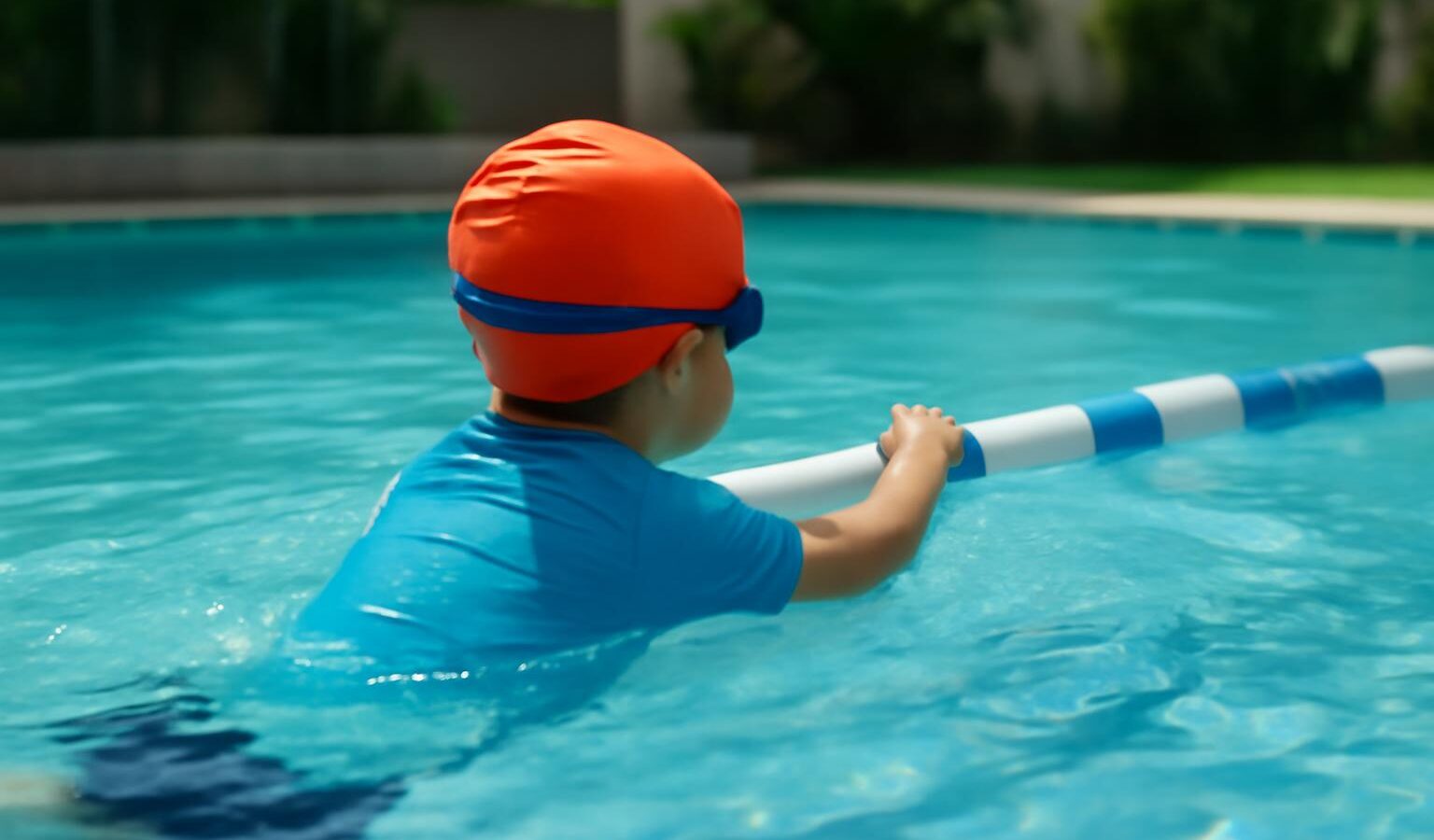
Swimming and eczema can absolutely coexist — many children and adults with eczema swim happily and confidently with the right routine before and after the pool. The key is preparation, prompt rinsing and good moisturising, alongside advice from your own doctor or dermatologist.
Eczema (atopic dermatitis) is very common in Singapore, and parents often worry that chlorinated pools will make it worse. The reality is more encouraging: with a sensible skin-care routine around each session, most people with well-managed eczema can enjoy swimming and all its benefits. This guide offers practical, general tips — but please remember that eczema varies enormously from person to person, so your doctor or dermatologist should always guide your specific care.
A note on who we are: SwimSafer (swimsafer.sg) is an independent private swim school. We coach and prepare students for the national SwimSafer syllabus, but we are not the official programme and are not affiliated with SportSG or Singapore Aquatics. We are swimming coaches, not medical professionals, so the information below is general guidance only and not medical advice.
Can people with eczema go swimming?
For many people, yes. Some find that pool water actually settles their skin, while others find chlorine drying or irritating. Because eczema is so individual, the most important step is to ask your doctor or dermatologist whether swimming is suitable right now, particularly if the skin is broken, badly inflamed or infected. If they give the go-ahead, a good routine makes all the difference.
Before you swim
A little preparation can protect the skin barrier before it ever touches the water.
- Apply a barrier moisturiser. A doctor-recommended emollient or barrier cream shortly before swimming can help shield the skin from chlorine. Ask your dermatologist which product suits you.
- Rinse off first. A quick shower before getting in means skin absorbs less pool water.
- Choose a good time. Swimming when the skin is relatively calm, rather than during a bad flare, tends to go better.
- Stay hydrated. Drinking water supports overall skin health, especially in Singapore’s heat.
During the swim
Keep sessions comfortable and avoid letting the skin dry out repeatedly. Some swimmers with eczema do better with slightly shorter sessions, especially at first. If the skin starts to sting or feel very irritated, it is sensible to get out, rinse and reassess. Well-fitting goggles and a rash guard or swim shirt can also reduce irritation from sun and friction, though comfort varies from person to person.
After you swim — the most important step
What you do straight after swimming matters more than almost anything else. Chlorine and other pool chemicals left on the skin can dry it out and trigger irritation.
- Rinse thoroughly and promptly. Shower with clean, lukewarm — not hot — water as soon as you finish to wash off pool chemicals.
- Use a gentle cleanser. A mild, fragrance-free wash recommended by your doctor is kinder than harsh soaps.
- Pat dry gently. Avoid rubbing; pat the skin dry softly with a clean towel.
- Moisturise immediately. Apply your usual emollient within a few minutes of drying, while the skin is still slightly damp, to lock in moisture.
- Change out of wet swimwear quickly. Sitting in damp costumes can irritate sensitive skin.
Why swimming can be worth it
Swimming offers real benefits that are worth protecting access to. It is a gentle, low-impact, full-body activity that builds fitness, confidence and crucial water-safety skills. For children, learning to swim is an important life skill regardless of skin conditions. With a careful routine, most families find the benefits far outweigh the extra bit of skin care involved. The goal is to manage eczema so that a child does not have to miss out.
Sun, heat and outdoor pools
Most pools in Singapore are outdoors, so sun protection matters. Sunburn can aggravate eczema, so ask your dermatologist about a suitable sunscreen for sensitive or eczema-prone skin, and consider a rash guard for extra cover. Try to avoid swimming during the most intense midday sun where you can.
When to see a doctor
Always involve a medical professional in decisions about eczema and swimming. See your doctor or dermatologist if the skin is broken or weeping, if you notice signs of infection such as increasing redness, warmth, pus or pain, if swimming consistently triggers bad flares, or before starting lessons if you are unsure whether the skin is ready. They can tailor a moisturising and treatment plan, recommend specific products, and advise when it is best to pause swimming. Nothing in this article replaces that personalised advice.
Talking to your swim coach
It helps to let your coach know about eczema so sessions can be planned sensibly — for example, keeping early sessions a comfortable length and being understanding if a flare means a lesson needs rescheduling. A good coach will be supportive and flexible, and will never make a child feel self-conscious about their skin.
Frequently asked questions
Does chlorine make eczema worse?
It depends on the person. Some find chlorine drying or irritating, while others find their skin settles. The most reliable way to protect the skin is to rinse off promptly after swimming and moisturise straight away. Because reactions vary, ask your doctor or dermatologist what is best for you.
Should my child with eczema avoid swimming lessons?
Not necessarily. Many children with well-managed eczema swim happily with a good before-and-after routine. The decision should be made with your child’s doctor, especially if the skin is broken or flaring. When the skin is calm and protected, swimming is usually fine and very beneficial.
What is the most important thing to do after swimming?
Rinse off the pool chemicals with lukewarm water as soon as you finish, pat the skin dry gently, and apply moisturiser within a few minutes while the skin is still slightly damp. This routine helps prevent the drying that chlorine can cause.
Can swimming ever help eczema?
Some people find pool swimming settles their skin, and the exercise, confidence and water-safety benefits are valuable for everyone. However, this is very individual, so do not assume it will help or harm — follow your own experience and your dermatologist’s advice.
Are there products that protect the skin before swimming?
Barrier creams and emollients applied before swimming can help shield the skin, but the right product depends on your skin. Ask your doctor or dermatologist for a specific recommendation rather than choosing one yourself, as some products suit certain people better than others.
When should we see a doctor about swimming and eczema?
See a doctor or dermatologist if the skin is broken or weeping, if there are signs of infection such as spreading redness, warmth or pus, if swimming repeatedly triggers bad flares, or simply if you are unsure whether it is safe to swim right now. They can give advice tailored to your situation.
Want supportive, flexible swimming lessons?
We coach children and adults of all needs with patience and care, and we are happy to plan sessions around skin conditions sensibly. WhatsApp Coach U.K. on +65 9021 1254 for a friendly chat. You might also explore our kids swimming lessons, special needs swimming lessons and adult swimming lessons.