
Swimming After Eating: Is It Safe?
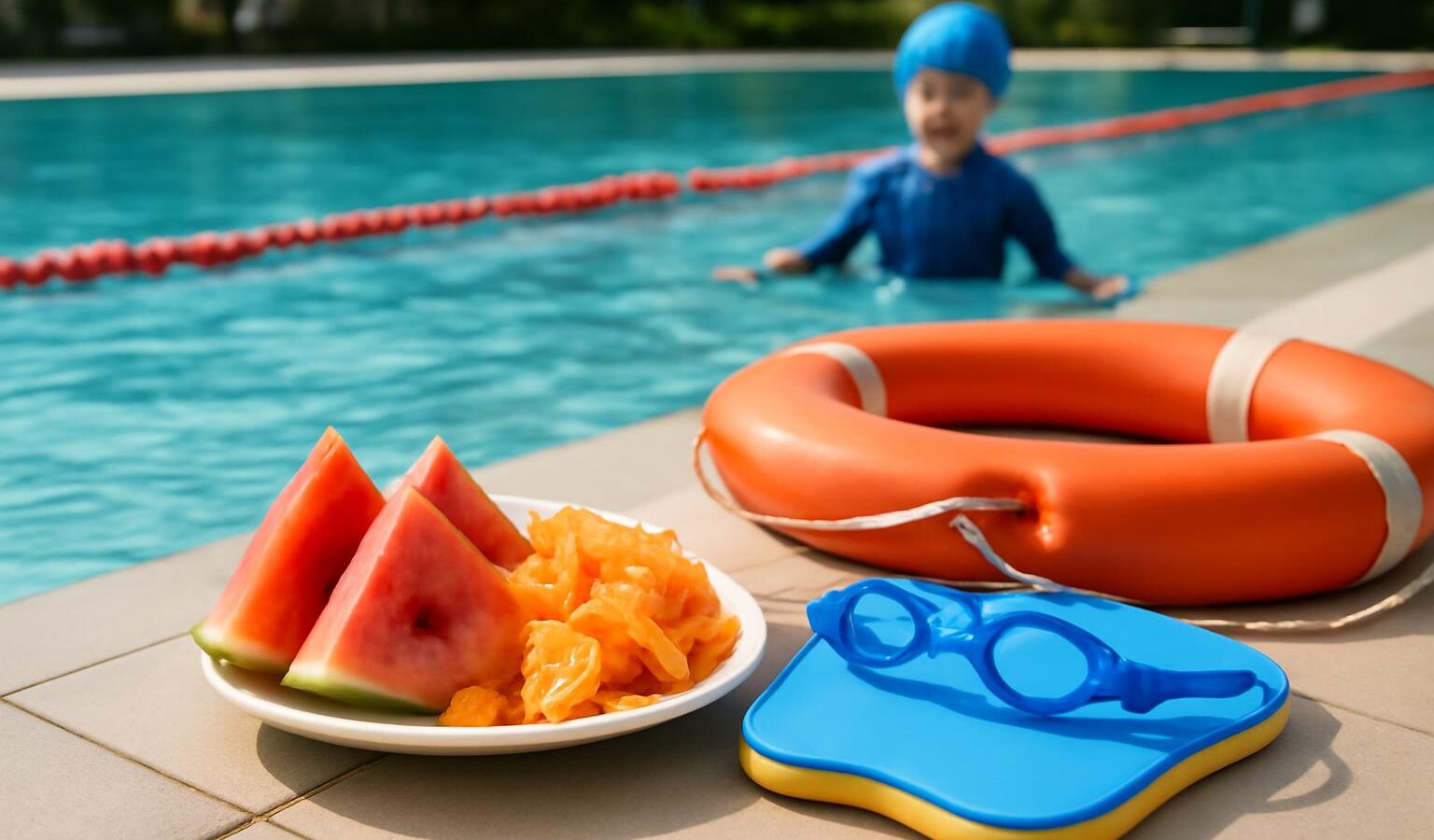
Swimming after eating is one of the most stubborn myths in the pool — the old warning that you must wait an hour or you will cramp up and drown simply is not supported by evidence, though there are still sensible, comfort-based reasons to time meals around your swim.
Almost everyone has heard it: finish your lunch, then sit on the side and watch the clock for a full hour before you are allowed back in. Generations of children have grumbled through that wait. But where did the rule come from, is there any truth to it, and what should you actually do? This guide separates the myth from the sensible advice.
First, who we are: SwimSafer (swimsafer.sg) is an independent private swim school. We coach and prepare students for the national SwimSafer syllabus, but we are not the official programme and are not affiliated with SportSG or Singapore Aquatics. Our head coach, Coach U.K. (Umesh “U.K.” Singh), is an AUSTSWIM-accredited swim teacher and certified Singapore Armed Forces life-saver, coaching since 1999.
Where the “wait an hour” rule came from
The idea has been around for over a century. The reasoning went like this: after a big meal, blood flow is directed to the digestive system to help you digest, supposedly “stealing” blood from your muscles. With less blood, the theory claimed, your limbs would cramp severely, you would be unable to swim, and you would drown. It sounds plausible, which is part of why the myth has lasted so long.
What the evidence actually says
The reassuring reality is that there is no good evidence linking eating before swimming to drowning. Reviews of drowning cases have found that food in the stomach plays essentially no role. Your body is perfectly capable of digesting a meal and moving your muscles at the same time — it does this every time you walk after lunch. While digestion does increase blood flow to the gut, it does not drain your limbs to the point of dangerous, swim-stopping cramp.
Major safety and health organisations have quietly dropped the strict “wait an hour” rule for exactly this reason. So as a hard-and-fast safety law, the rule is a myth.
So why does some advice still suggest waiting?
Here is the nuance that the myth gets half-right: swimming hard on a very full stomach can be genuinely uncomfortable, even if it is not dangerous. The sensible reasons to time your meals are about comfort and performance, not drowning.
- Stomach discomfort. Vigorous swimming with a heavy, full stomach can cause cramping in the abdomen, a stitch, or a sloshy, queasy feeling — much like running straight after a big meal.
- Reflux and nausea. The horizontal position and exertion of swimming can encourage acid reflux or nausea if you have just eaten a large, rich or greasy meal.
- Energy dips. Swimming on a completely empty stomach can leave you light-headed and weak, especially for longer sessions, so the answer is not to skip food entirely either.
Sensible advice for eating around swimming
Rather than watching a clock, listen to your body and use a little common sense.
- After a large, heavy meal, give yourself a comfortable gap — perhaps 30 to 60 minutes, or however long it takes to stop feeling stuffed — before swimming hard. This is about comfort, not a safety countdown.
- A light snack before swimming is usually fine and can actually help, providing energy without weighing you down. A banana, some toast or a small sandwich works well.
- Stay hydrated. You still sweat in the pool even though you cannot feel it. Drink water before and after swimming.
- Mind rich and greasy foods, which sit heavily and are more likely to cause reflux during exercise.
What about children at swimming lessons?
Parents often ask whether a child can eat before a lesson. In practice, a light snack an hour or so beforehand is ideal — it keeps energy levels up so a child does not become tired, grumpy or cold partway through. A heavy meal right before a lesson is best avoided, simply because an over-full child may feel uncomfortable or sluggish in the water, not because of any drowning risk. After the lesson, a snack helps refuel, as swimming genuinely builds an appetite.
The thing that actually matters for safety
It is worth being clear: the real factors in water safety have nothing to do with your last meal. They are swimming ability, supervision, respecting depth and conditions, and never swimming alone. A confident swimmer who has eaten lunch is far safer than a non-swimmer with an empty stomach. If water safety is your concern, the answer is proper swimming lessons and constant supervision of children — not skipping snacks.
One sensible exception: alcohol. Drinking before swimming genuinely does raise the risk of accidents by impairing judgement and coordination, so that is one thing worth avoiding before getting in the water.
Frequently asked questions
Will I really get a fatal cramp if I swim after eating?
No. There is no good evidence that eating before swimming causes dangerous, drowning-inducing cramps. You may feel a stitch or stomach discomfort if you swim hard on a very full stomach, but that is a comfort issue, not a safety emergency.
How long should I actually wait after a big meal?
There is no fixed rule. Many people are comfortable waiting around 30 to 60 minutes after a large meal, but it is really about waiting until you no longer feel uncomfortably full. After a light snack, you usually do not need to wait at all.
Should my child eat before a swimming lesson?
A light snack an hour or so before the lesson is ideal to keep energy up, especially as swimming is tiring and can make children cold and hungry. Avoid a large, heavy meal right beforehand, as a stuffed child may feel uncomfortable in the water.
Is it bad to swim on an empty stomach?
For a short, gentle swim it is usually fine, but a completely empty stomach can leave you light-headed or low on energy during a longer or harder session. A small snack beforehand strikes a good balance.
Why does my stomach hurt when I swim after eating?
Vigorous exercise on a full stomach can cause a stitch, cramping or reflux because the body is digesting and exerting at once. It is uncomfortable but not dangerous. Eating a smaller, lighter meal and allowing a little time usually solves it.
Is there anything I really shouldn’t do before swimming?
Avoid alcohol before swimming — unlike food, it genuinely impairs judgement and coordination and raises the risk of accidents. Also avoid swimming when overtired or unwell, and never let children swim unsupervised.
Learn to swim with confidence — no myths required
If you or your child want to feel safe and capable in the water, proper lessons matter far more than meal timing. WhatsApp Coach U.K. on +65 9021 1254 to get started. You might also explore our kids swimming lessons, our water survival and life-saving skills and our adult swimming lessons.