
Reservoir & Open-Water Safety in Singapore
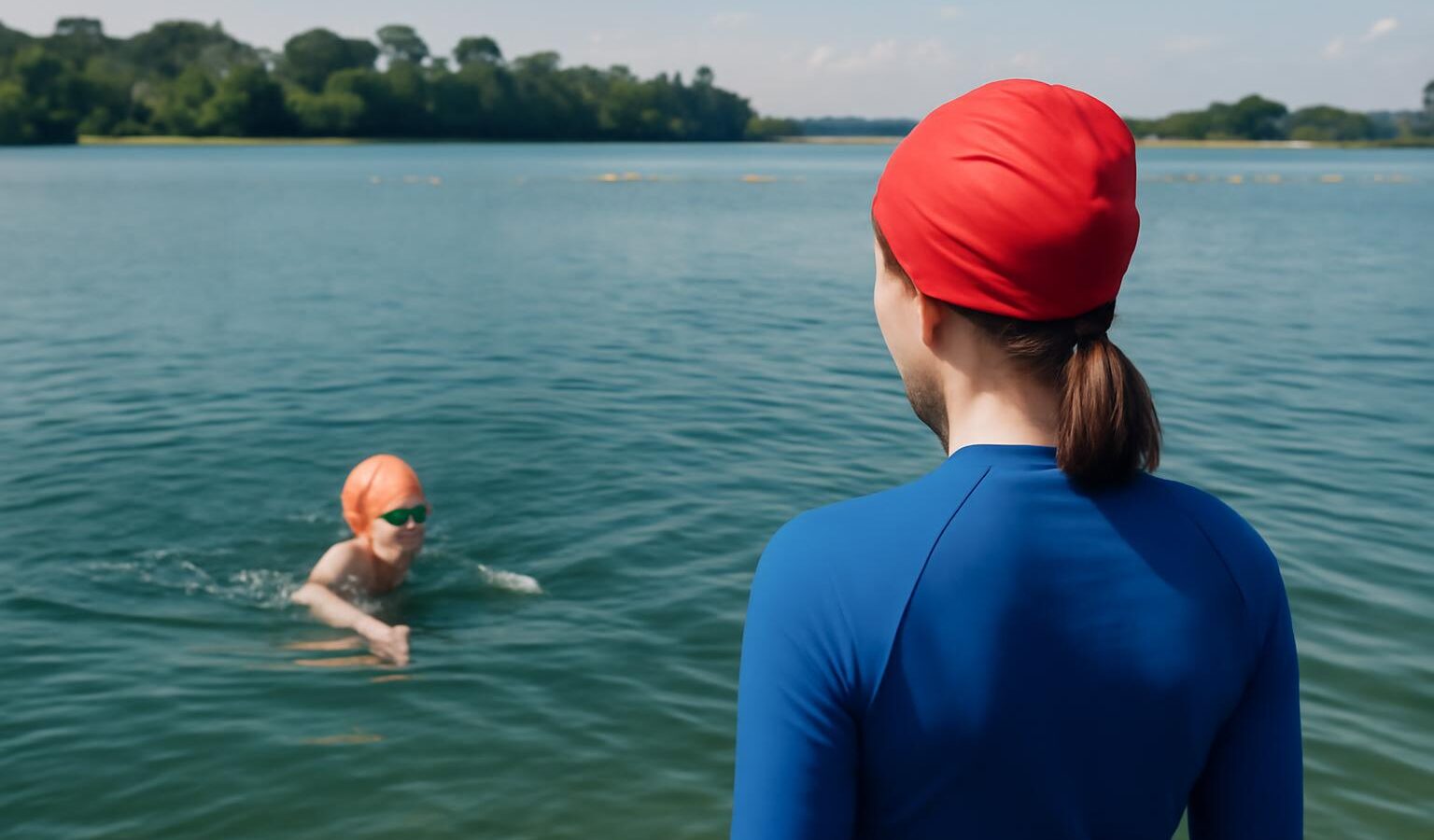
Reservoir safety in Singapore matters because our reservoirs look calm and inviting yet hide cold layers, sudden depths and currents that behave nothing like a swimming pool, so families need to understand the rules and the risks before heading to the water’s edge.
Singapore’s reservoirs, from MacRitchie and Lower Peirce to Bedok, Marina, Pandan and Upper Seletar, are beautiful places for kayaking, dragon boating, cycling and picnics. They are central to our water story as a nation, and they draw crowds every weekend. But a reservoir is not a pool and not a beach; it is its own kind of water with its own hazards. This guide explains what makes open fresh water different, what the rules generally are, and how to build the competence that keeps everyone safe near it.
Why reservoirs deserve special respect
A reservoir’s surface can be glassy and still while the water beneath behaves very differently. The depth often drops away steeply and unpredictably from the edge, with no shallow end to stand in. The water can be noticeably colder below the surface, which can shock the body and sap strength quickly. Visibility is usually poor, hiding the bottom, submerged branches and sudden ledges. Add the activity of boats and paddlers, and you have an environment that demands caution and clear rules.
Coach Umesh “U.K.” Singh has taught swimming and open-water skills in Singapore since 1999, more than 25 years in the water. As an AUSTSWIM-accredited swim teacher, a certified Singapore Armed Forces life-saver and an open-water swim trainer, he understands these conditions first-hand. The advice below is general safety guidance for families; for rescue and first-aid we always recommend a certified course.
A quick independence note
To be clear and fair to everyone, we are an independent private swim school. We are not the official SwimSafer programme, and we are not affiliated with SportSG, Singapore Aquatics or the National Water Safety Council. What we do is coach and prepare students for the SwimSafer syllabus and for safe, confident swimming.
Know and follow the rules
The most important point about reservoirs is simple: swimming is generally not permitted in them. They are managed water bodies, and recreation is usually limited to organised activities such as kayaking, canoeing and dragon boating from designated areas, typically with the right equipment and supervision. Always check and obey the posted signs and any guidance from the managing authority, as rules can vary by location and can change. Teaching children that the reservoir is for paddling sports, not for swimming, removes the single biggest risk before it ever arises.
- Do not swim in reservoirs unless an area is specifically permitted and supervised.
- Take part in water activities only from designated launch points and with proper equipment.
- Wear an approved life jacket for any on-water activity, regardless of swimming ability.
- Keep children away from steep, slippery or unguarded edges.
- Check current rules and signage before you go, as conditions and regulations can change.
The hidden dangers of cold and depth
Two reservoir hazards catch people out more than any other. The first is cold water. Even in warm, tropical Singapore, the deeper layers of a large body of fresh water can be surprisingly cool. A sudden plunge can cause an involuntary gasp and a spike in breathing rate, which is dangerous if your face is underwater, and cold quickly drains strength and coordination. The second is depth and the absence of a place to stand. In a pool you can put your feet down; in a reservoir you often cannot, and that realisation can trigger panic in even a capable swimmer. This is why open-water competence is built on calm, breath control and floating, not on speed.
If you or someone falls in
Should anyone end up unexpectedly in deep, cold open water, the general advice is to fight the urge to thrash. Stay calm, get your breathing under control, and float or lean back to keep the airway clear while the initial cold shock passes. From a position of calm, signal for help and, if able, move steadily towards the nearest safe edge or hold onto anything that floats. For anyone watching from the bank, the safest help is usually to call for trained assistance, throw a flotation aid or reach with a long object rather than entering the water themselves. We keep this guidance general and strongly encourage completing a certified water-rescue and first-aid course.
Building open-water competence
The skills that keep people safe near reservoirs are best learned first in a controlled environment and then applied with care. These are exactly the foundations we prioritise for survival-focused swimmers.
- Breath control: staying calm and keeping the airway clear, especially after a sudden entry.
- Floating and survival floating: resting on the water with minimal effort while help arrives.
- Treading water: holding position in deep water where you cannot stand.
- Calm decision-making: signalling, conserving energy and moving deliberately rather than panicking.
These are not racing skills. They are the quiet, life-preserving abilities that turn an emergency into a manageable situation, and they matter most precisely where the water is least forgiving.
Frequently asked questions
Can you swim in Singapore’s reservoirs?
Generally, no. Swimming is usually not permitted in reservoirs, which are managed for water supply and for organised paddling sports from designated areas. Always check and follow the posted signs and the managing authority’s guidance, as rules can vary by site and may change.
Why is reservoir water more dangerous than a pool?
Reservoirs have steep, unpredictable depths with nowhere to stand, colder water beneath the surface, poor visibility and possible currents and boat traffic. A confident pool swimmer can still be caught out, which is why the rules and proper open-water skills matter so much.
Do children need life jackets for reservoir activities?
Yes. For any on-water activity such as kayaking or dragon boating, everyone should wear an approved life jacket regardless of swimming ability, and children especially. Use only designated launch areas and follow the activity provider’s safety rules.
What is cold-water shock and why does it matter here?
Cold-water shock is the body’s sudden reaction to entering cool water, causing a gasp and rapid breathing that can be dangerous if the face is submerged. Even in Singapore, deeper reservoir water can be cold enough to trigger it, so calm breath control and floating are vital responses.
What open-water skills should my child learn?
Focus on calm breath control, floating, survival floating and treading water, plus the judgement to signal for help and conserve energy rather than panic. These are best learned in a controlled setting first and then applied carefully under supervision.
Should I learn first aid before reservoir outings?
Yes. We strongly recommend a certified first-aid, CPR and water-rescue course for every parent and carer. Reservoirs are open environments where trained, confident adults can make a real difference while professional help is on the way.
Build the calm, water-survival skills that matter
If you want your family to be genuinely safe and confident in and around open water, start with the right foundations. WhatsApp Coach U.K. on +65 9021 1254 for a friendly, no-pressure chat. Explore our water survival and life-saving skills coaching, build core competence through our kids swimming lessons and adult swimming lessons, and help an anxious swimmer grow calm in deep water with our lessons for nervous beginners.