
Open-Water Swimming Tips for Beginners
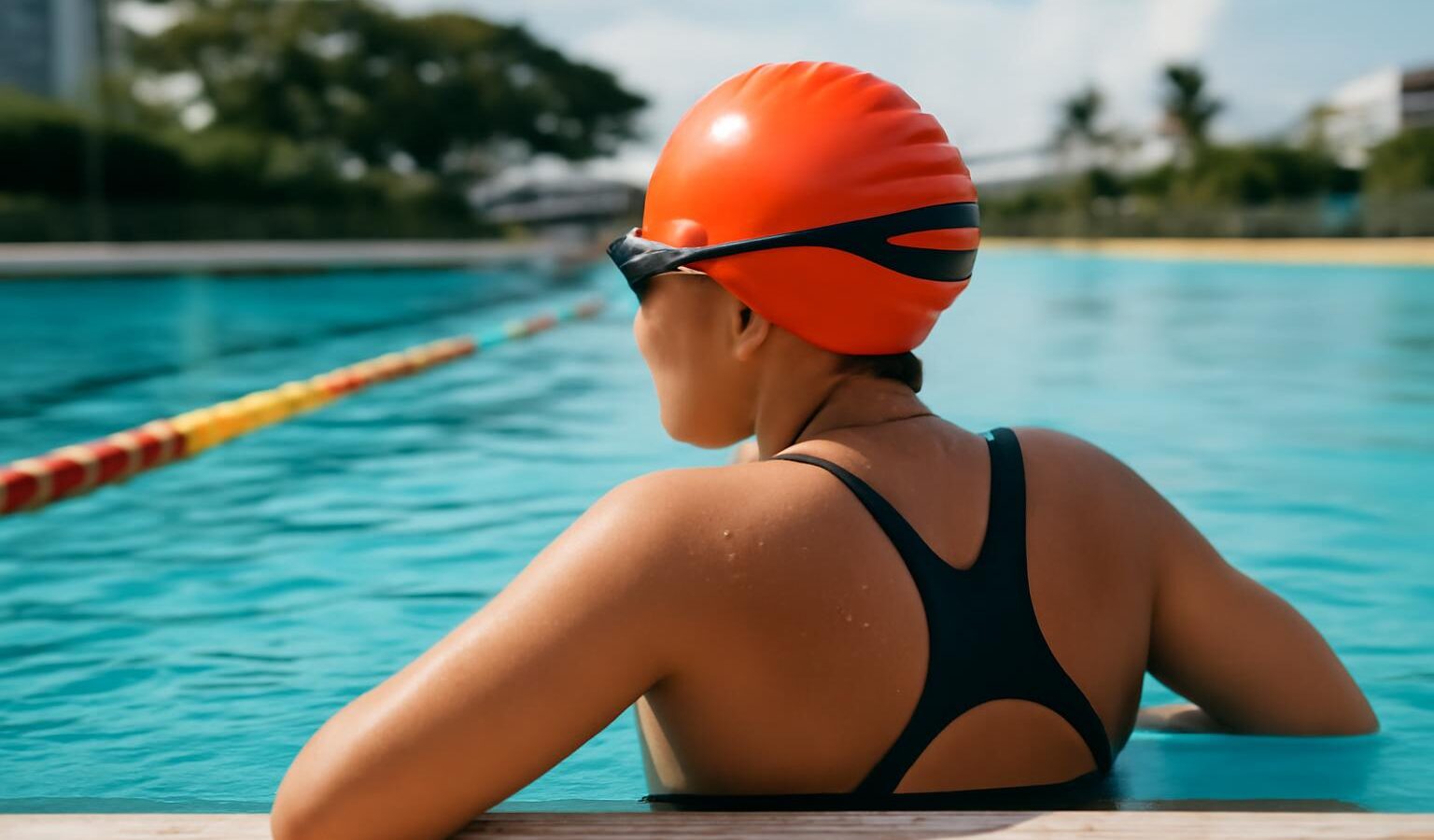
If you are ready to venture beyond the pool, these open water swimming tips for beginners will help you make the move safely and with confidence. Open water is exciting and rewarding, but it asks more of you than a calm lane pool — so preparation and respect for the conditions matter enormously.
Open-water swimming covers the sea, reservoirs and other natural bodies of water. It is a wonderful way to build fitness and adventure, but it comes with real risks: no walls to grab, changing conditions, currents, limited visibility and water that can be much cooler than a pool. This guide focuses on building skills and habits gently. None of it replaces qualified, in-person training and proper supervision, which we strongly recommend before anyone swims in open water.
Build a solid foundation in the pool first
The single most important tip is this: become a confident, comfortable pool swimmer before you head to open water. You should be able to swim continuously for a reasonable distance, tread water, float to rest and stay calm if your breathing is disrupted. Open water is not the place to learn to swim — it is where strong pool skills are put to use.
If you are still building those basics, our adult swimming lessons and our dedicated water survival and life-saving skills coaching are the right first steps. Coach U.K. is an AUSTSWIM-accredited teacher and open-water swim trainer with experience preparing swimmers for conditions beyond the pool.
Safety always comes first
Open-water safety is non-negotiable. Before you focus on technique or speed, build these habits.
- Never swim alone. Always swim with a buddy or, better still, as part of a supervised group with experienced swimmers present.
- Choose approved, supervised locations. In Singapore, swim only at designated, lifeguarded areas and follow all posted rules. Many reservoirs and beaches restrict or prohibit swimming — always check.
- Use a brightly coloured tow float. It makes you visible to others and gives you something to hold if you need to rest.
- Check conditions every time. Tides, currents, weather and water quality change. If anything looks doubtful, do not go in.
- Know your exit points. Identify where and how you will get out before you start.
- Tell someone your plan. Share where you are swimming and when you expect to be back.
Because conditions and local rules can change, always confirm current guidance with the relevant authorities and lifeguards on the day. When in doubt, stay out.
Get used to the water gradually
Acclimatise before you swim
Open water can feel cold and the shock of entering quickly can make you gasp. Enter slowly, splash water on your face and neck, and let your breathing settle before you start swimming properly. Never jump or dive into open water you do not know.
Expect the “first few minutes” feeling
It is normal to feel breathless and a little panicky for the first minute or two in open water. Stay near the shore or your float, breathe slowly, and wait for that feeling to pass before going further. Knowing it is normal makes it much easier to manage.
Adjust your technique for open water
Learn to sight
There are no lane lines to follow, so you need to “sight” — lifting your eyes just above the surface every few strokes to check your direction against a fixed landmark. Practise this in the pool first so it feels natural before you rely on it.
Breathe bilaterally if you can
Being able to breathe on both sides helps you cope with waves, glare and other swimmers, and keeps your stroke balanced. It is a useful skill to develop in the pool ahead of time.
Stay relaxed and steady
A calm, controlled, slightly slower stroke conserves energy and keeps your breathing under control. Open water rewards composure far more than speed, especially when you are starting out.
Build distance and confidence slowly
Resist the urge to go far on your first outings. Stay close to shore, swim parallel to the bank rather than straight out, and gradually extend your distance over many sessions as your confidence grows. There is no rush — building a calm, capable relationship with open water takes time, and that is exactly as it should be.
Frequently asked questions
Do I need to be a strong swimmer before trying open water?
Yes. You should be a confident, comfortable pool swimmer who can swim continuously, tread water and float to rest before attempting open water. Open water is for applying strong skills, not for learning to swim.
Where can beginners swim in open water in Singapore?
Only at designated, supervised and lifeguarded locations, and always following posted rules. Many beaches and reservoirs restrict swimming, so check the current rules with the relevant authorities before you go. If swimming is not permitted somewhere, never attempt it.
Is open-water swimming dangerous?
It carries real risks — currents, changing conditions, cold water and limited visibility — that pools do not. With strong skills, proper supervision, a buddy, the right gear and respect for the conditions, those risks are greatly reduced. The advice here is general; in-person training is essential.
What is “sighting” and why does it matter?
Sighting is briefly lifting your eyes above the water to check your direction against a landmark, since there are no lane lines. It keeps you swimming straight and aware of your surroundings. Practise it in the pool first.
Why do I feel panicky when I first get in?
A short burst of breathlessness on entering cooler open water is common. Enter slowly, splash your face, stay near the shore and breathe steadily until it passes. Acclimatising gradually makes a big difference.
Should I take lessons before open-water swimming?
We strongly recommend it. Building strong pool skills, breathing technique and water-survival ability with a qualified coach gives you the foundation to enjoy open water more safely.
Train safely before you take the plunge
Open water is best enjoyed once your pool skills are rock solid. To build that foundation with an experienced, AUSTSWIM-accredited and open-water-trained coach, WhatsApp Coach U.K. on +65 9021 1254. As an independent swim school, we prepare swimmers island-wide. Start with our adult swimming lessons or our water survival and life-saving skills programme, and explore everything we offer on our services page.