
Life Jackets & PFDs: A Parent’s Guide
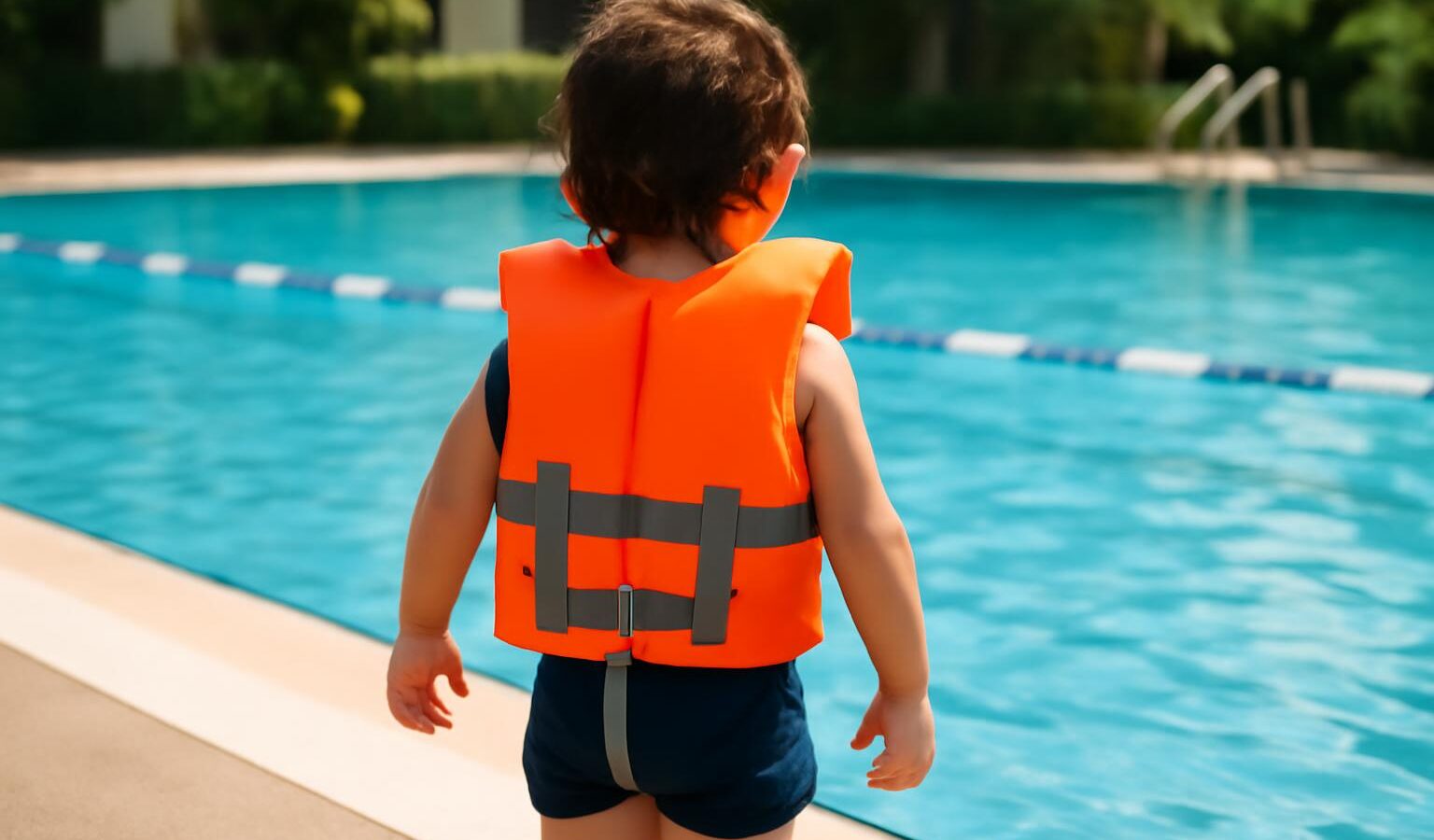
This life jacket guide is for Singapore parents who want to keep their children safe around boats, reservoirs, beaches and open water. Choosing the right personal flotation device (PFD), fitting it properly and understanding its limits are simple steps that can save a life — and they matter just as much for confident swimmers as for beginners.
A life jacket is one of the most effective pieces of safety equipment around open water, yet it is often misunderstood. Parents sometimes treat pool floats and armbands as if they were life jackets, or assume that a swimming child does not need one on a boat. Both assumptions can be dangerous. A proper PFD is designed to keep a person’s head above water even if they are tired, injured or unconscious — something no inflatable toy can promise. At our independent swim school, Coach U.K. teaches families how flotation fits into a wider water-safety plan, and the guidance below will help you choose and use one wisely.
Life jackets versus pool floats: know the difference
The first thing every parent should understand is that flotation toys and certified life jackets are not the same thing.
- Life jackets and PFDs are certified safety devices designed to keep a wearer afloat, often turning them face-up. They are essential for boating and open water.
- Armbands, rings, inflatable seats and pool noodles are toys. They can deflate, slip off or tip a child face-down, and they give a false sense of security.
For genuine safety around open water, only a properly certified life jacket or PFD will do. Toys are fine for pool play under close supervision, but never as life-saving equipment.
Choosing the right life jacket for your child
The best life jacket is one that fits your child’s weight, suits the activity, and that your child will actually wear comfortably. Keep these factors in mind.
Size and weight rating
Life jackets are rated by body weight, not age. Always check the weight range printed on the label and match it to your child. A jacket that is too big can ride up over the face in the water, while one that is too small will not provide enough buoyancy.
Certification
Look for a recognised safety standard or approval marking on the jacket. Certified devices have been tested to perform reliably; unbranded or uncertified items may not.
Type for the activity
For young children and non-swimmers around open water, choose a jacket with a higher buoyancy rating, a supportive collar that helps keep the head up, a crotch strap to stop it riding up, and a grab handle. For older, competent swimmers doing supervised activities, a slimmer PFD may be suitable. Match the device to where and how it will be used.
Comfort and fit features
A child who finds a jacket uncomfortable will resist wearing it. Look for adjustable straps, soft edges and a design your child likes — bright colours also improve visibility in the water.
How to fit a life jacket correctly
A correctly chosen jacket only works if it is correctly fitted. Run through this quick check every time:
- Fasten all buckles and zips and tighten every strap snugly.
- Do the lift test: with the jacket on, lift your child gently by the shoulders of the jacket. If it rides up past the chin or ears, it is too loose or too big.
- Use the crotch strap for young children to stop the jacket sliding upward.
- Check movement: your child should be able to move their arms freely and turn their head.
- Test it in calm, shallow water under close supervision so your child learns how it feels to float in it.
When children should wear a life jacket
A simple rule keeps families safe: weak swimmers and young children should wear a properly fitted life jacket whenever they are on or near open water where they could fall in.
- On boats, kayaks and paddleboards — always, for everyone, regardless of swimming ability.
- At reservoirs and open water where depth and currents are unpredictable.
- At the beach for non-swimmers and young children in the surf.
- Around water where supervision could lapse, such as a busy jetty or pontoon.
Even the best life jacket never replaces an attentive adult. Flotation is one layer of protection; close supervision is another, and swimming ability is a third.
Life jackets are not a substitute for swimming skills
It is tempting to think that a life jacket removes the need to learn to swim, but the opposite is true. A child who relies entirely on flotation may become over-confident and panic if they ever find themselves in the water without it. The strongest protection is a child who can swim, float and stay calm — with a life jacket adding an extra margin of safety in genuinely risky conditions. This is exactly why we build water-survival skills like floating and treading water into our lessons, so children are safer with or without equipment.
Caring for your life jacket
A life jacket only protects if it is in good condition. Rinse it in fresh water after use in the sea or a reservoir, dry it away from direct heat, and store it somewhere ventilated. Before each season check for tears, broken buckles, worn straps and any loss of buoyancy, and replace any device that is damaged or no longer fits your growing child.
Frequently asked questions
Are armbands as safe as a life jacket?
No. Armbands are toys, not safety devices. They can slip off, deflate or tip a child face-down. Only a certified life jacket or PFD is designed to keep a person reliably afloat around open water.
How do I know what size life jacket my child needs?
Life jackets are sized by body weight, not age. Check the weight range on the label and match it to your child, then do the lift test — if the jacket rides up over the chin or ears when you lift it by the shoulders, it does not fit.
Does my child need a life jacket if they can swim well?
On boats and in open water, yes — everyone should wear one regardless of ability, because conditions can change suddenly and even strong swimmers can be injured or exhausted. For competent swimmers, a slimmer PFD suited to the activity may be appropriate.
Can a life jacket replace swimming lessons?
No. A life jacket is extra protection, not a substitute for swimming ability. A child who can swim, float and stay calm is far safer in any situation, which is why we prioritise water-survival skills in our lessons.
What is the crotch strap for?
The crotch strap stops the jacket from riding up over a child’s face in the water, which is a common problem with children’s life jackets. Always use it for young children and non-swimmers.
How often should I replace a child’s life jacket?
Replace it whenever it no longer fits your growing child, or if you find tears, broken buckles, worn straps or reduced buoyancy. Inspect it before each season and after heavy use.
Build real water confidence with Coach U.K.
A life jacket is a valuable safety layer, but the surest protection is a child who can swim and stay calm in the water. To arrange independent private or small-group lessons that build true water-survival skills, WhatsApp Coach U.K. on +65 9021 1254. Coach U.K. is an AUSTSWIM-accredited teacher, certified Singapore Armed Forces life-saver and open-water swim trainer who has coached since 1999. Learn about our kids swimming lessons, our baby and toddler lessons, and the water survival and life-saving skills we teach. For indicative rates by class size, see our pricing page and message us to confirm current details.