
Leg Cramps While Swimming: Causes and What to Do
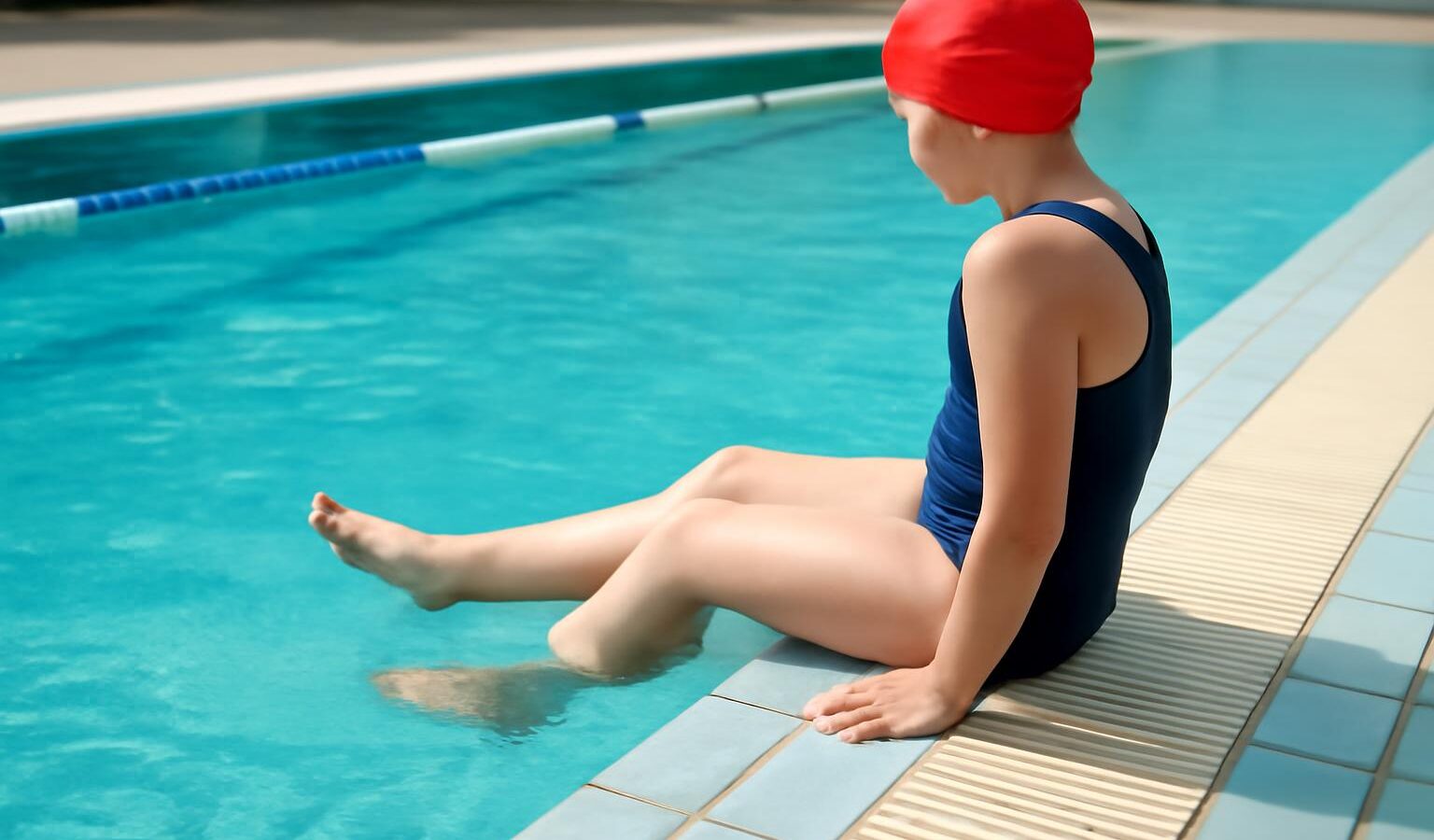
A sudden, gripping leg cramp while swimming can be painful and frightening, especially in deep water. The good news is that most cramps are harmless, easy to ease once you know how, and largely preventable. Here is what causes them, what to do in the moment, and how to stop them happening.
What a cramp actually is
A muscle cramp is a sudden, involuntary contraction of a muscle that will not relax. In swimmers it most often strikes the calf or the foot, and sometimes the hamstring or the arch. It can last from a few seconds to a few minutes and may leave the muscle tender afterwards. While it feels dramatic, a single cramp is rarely a sign of anything serious.
Common causes of leg cramps when swimming
Cramps usually come from a mix of factors rather than one single cause. The most common triggers include:
- Tired or overworked muscles: swimming hard, swimming for a long time, or pushing past your usual fitness can fatigue the muscles and trigger a cramp.
- Pointed-toe kicking: swimmers keep their toes pointed for much of the time, which shortens the calf and foot muscles and makes them prone to cramping, particularly during long kick sets.
- Cold water: cooler pools or open water can make muscles tighten and cramp more easily.
- Not warming up: diving straight into hard swimming with cold, stiff muscles raises the risk.
- Dehydration and minerals: you still sweat while swimming. Being low on fluids or on minerals like sodium, potassium, calcium and magnesium is often linked to cramping, though the exact role varies from person to person.
- Tight or unconditioned muscles: poor flexibility and muscles that are not used to the workload cramp more readily.
What to do if you get a cramp in the water
The most important thing is to stay calm and get yourself safe. Panicking in deep water is the real danger, not the cramp itself.
- Stay calm and stop swimming. Do not thrash. A cramp will not stop you floating.
- Float or roll onto your back. Rest in a back float or tread gently with your arms to keep your airway clear and catch your breath.
- Signal for help if you need it. Raise an arm and call out to a lifeguard, coach or buddy. There is no shame in asking for help.
- Stretch the cramped muscle. For the most common calf cramp, reach down, take hold of your toes or the ball of your foot and gently pull them up towards your shin to lengthen the calf. For a foot or arch cramp, flex the foot and toes upward.
- Massage and ease off. Once the spasm releases, rub the muscle gently and make your way calmly to the side or shallow water.
- Rest before continuing. Give the muscle time. Swimming hard on a freshly cramped muscle often brings it straight back.
If you are out of your depth and the cramp is severe, get to the wall or signal for assistance first, then stretch where you can hold on or stand. Knowing how to float and stay calm is exactly why water-survival skills matter so much.
How to prevent leg cramps while swimming
A few simple habits dramatically reduce how often cramps strike.
Warm up properly
Start every swim with some easy lengths and gentle movements before any hard effort. Warm, prepared muscles are far less likely to seize up.
Stretch and build flexibility
Regular gentle calf, foot and hamstring stretches improve flexibility over time. Pay particular attention to the calves, since pointed-toe kicking works them hard. Introduce stretching gradually and never force a stretch to the point of pain.
Stay hydrated and eat well
Drink enough water across the day, not just at the pool, and eat a balanced diet that includes the minerals your muscles rely on. You sweat while swimming even though you do not feel it, so hydration still matters.
Build up gradually
Increase your distance and intensity step by step rather than suddenly. Overworking muscles that are not yet conditioned is a classic cramp trigger. Vary your kicking so the calves are not under constant strain.
Mind the cold
If the water is cool, warm up a little longer and consider getting out before you become chilled, since cold muscles cramp more easily.
When to see a doctor
Occasional cramps are normal and not usually a cause for concern. However, cramps are a general health matter as much as a swimming one, so please treat persistent or unusual symptoms as a reason to seek proper medical advice rather than relying on this guide. Consider seeing a doctor or pharmacist if:
- Cramps are frequent, severe, or keep recurring despite good hydration, warm-ups and stretching.
- A cramp leaves lasting pain, swelling, redness or muscle weakness.
- You also have numbness, tingling or other unexplained symptoms.
- You have an existing medical condition or take medication that might be linked, or you simply want reassurance.
A doctor or pharmacist can check for any underlying cause and give advice tailored to you. If cramps persist, please do see a healthcare professional.
Safety, confidence and in-person coaching
The single most valuable defence against a cramp in deep water is the ability to stay calm, float and signal for help. These are core water-survival and life-saving skills, and they turn a frightening moment into a manageable one. We teach swimmers of all ages and abilities how to relax, float on their back and self-rescue, which builds genuine confidence in the water. For safety, always swim within your ability, ideally where a lifeguard or coach is present, and never alone if you are prone to cramps. In-person coaching also helps refine your kick and warm-up habits so cramps are far less likely in the first place.
Frequently asked questions
Why do I get calf cramps when swimming?
Calf cramps are common because swimmers keep their toes pointed for much of the time, which shortens and overworks the calf muscle. Tiredness, cold water, dehydration, low minerals and a lack of warm-up all add to the risk.
What should I do if I get a cramp in deep water?
Stay calm and stop swimming, roll onto your back to float and breathe, and signal for help if you need it. Gently stretch the muscle, for a calf cramp pull your toes up towards your shin, then make your way calmly to the side and rest.
How do I stretch out a calf cramp in the pool?
Take hold of your toes or the ball of your foot and gently pull them up towards your shin to lengthen the calf. Hold until the spasm eases, then massage the muscle and rest before swimming again.
Does dehydration cause swimming cramps?
It can contribute. You still sweat while swimming even though you do not notice it, and being low on fluids or minerals like sodium, potassium and magnesium is often linked to cramping. Stay hydrated throughout the day and eat a balanced diet.
How can I stop getting leg cramps when I swim?
Warm up properly, stretch regularly to improve flexibility, stay hydrated, build your distance and intensity gradually, and be mindful of cold water. Varying your kick so the calves are not constantly strained also helps.
When should I see a doctor about swimming cramps?
See a doctor or pharmacist if cramps are frequent or severe despite good prevention, if they leave lasting pain, swelling or weakness, or if you have other unexplained symptoms. Persistent cramps are worth getting checked properly.
Call-to-action
Swim safely and confidently
Staying calm and knowing how to float and self-rescue turns a cramp from frightening into manageable. Coach U.K. teaches water-survival skills, confident technique and safe swimming habits to learners of every age across Singapore. WhatsApp Coach U.K. on +65 9021 1254 to find out more. You may also like our water survival and life-saving skills, adult swimming lessons, or lessons for nervous beginners.