
How to Swim Longer Without Getting Tired
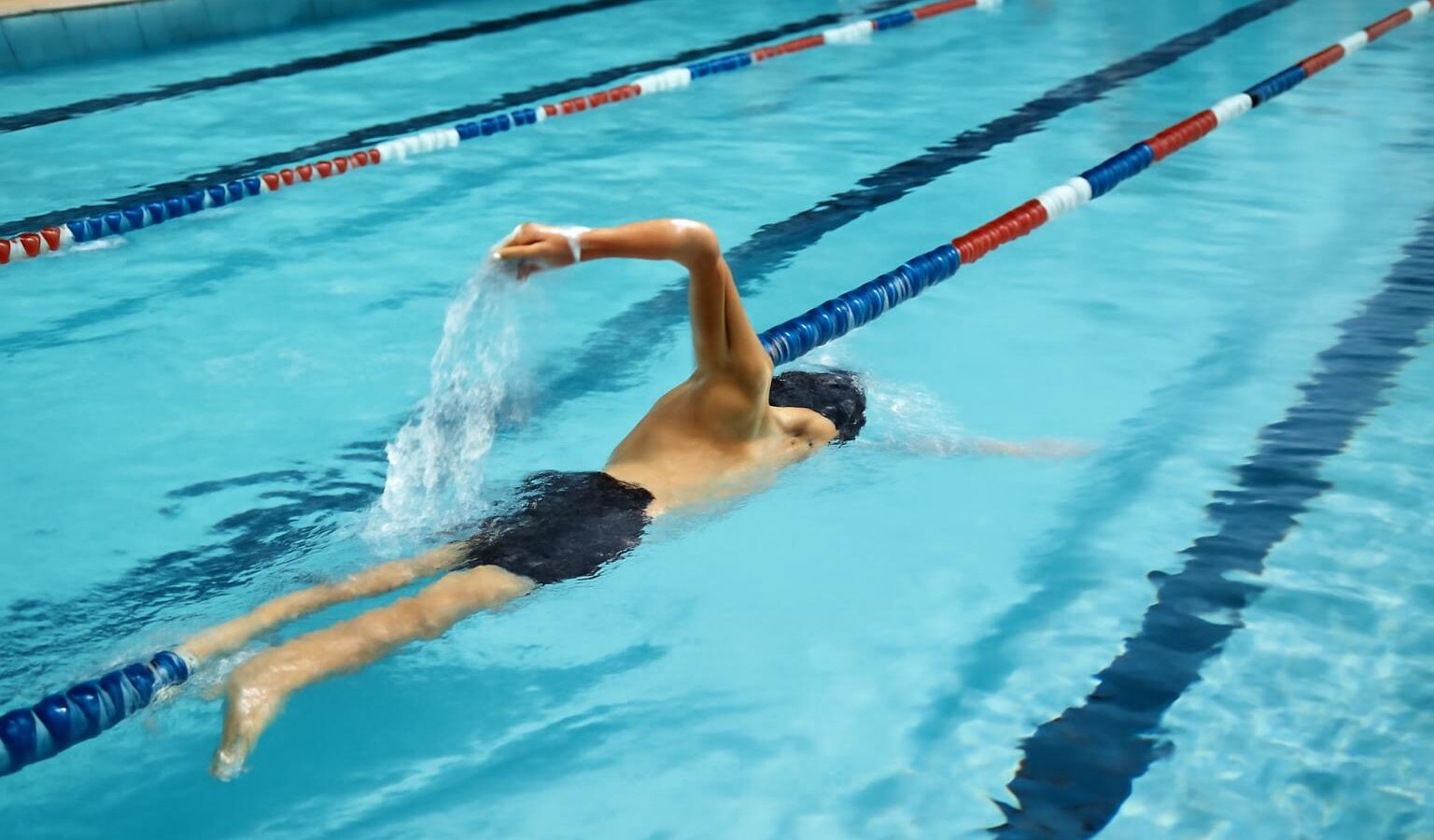
If you find yourself gasping for breath after a single length, you are not alone — and the good news is that learning to swim longer without getting tired is far more about technique and breathing than raw fitness. Efficient swimmers glide through the water using a fraction of the energy that struggling ones burn.
Getting tired quickly is almost always a sign that energy is leaking out somewhere: through poor body position, held breath, frantic kicking, or a pace that is simply too hard. Fix those, and the same swim suddenly feels easy. This guide walks through the changes that let you cover more distance with less effort.
Why swimmers tire so quickly
Swimming feels exhausting when your body is fighting the water instead of working with it. The usual culprits are:
- Holding your breath: this is the single biggest cause of fatigue, building up carbon dioxide and leaving you breathless.
- Poor body position: low, sinking hips create drag, so you push much harder for every metre.
- Over-kicking: the legs are large, oxygen-hungry muscles, and thrashing them tires you fast for little gain.
- Tension: a stiff, clenched body wastes energy and disturbs your breathing.
- Going too fast: sprinting every length is unsustainable; pacing is everything.
Breathe out, don’t hold
The most important habit for swimming longer is continuous breathing. Many beginners take a breath and then hold it with their face in the water, only breathing out at the last second before the next breath. This leaves no time to inhale fully and causes that panicky, breathless feeling.
Instead, breathe out steadily through your nose and mouth the whole time your face is in the water, in a relaxed stream of bubbles. Then your mouth only needs to open to breathe in. This rhythmic exhale-inhale cycle keeps you calm and supplied with oxygen, and it is the foundation of relaxed distance swimming.
Find a breathing rhythm
Settle into a pattern you can sustain — many swimmers breathe every two or three strokes. Breathing too rarely starves you of air; breathing every stroke can disrupt your rhythm. Experiment to find a comfortable, repeatable rhythm rather than gulping air in a panic.
Improve your body position
Swimming flat and high in the water dramatically reduces drag, which means less effort for the same speed. Aim for a long, horizontal shape:
- Keep your head in line with your spine, looking down and slightly forward, not lifting it up — a raised head sinks the hips.
- Press your chest gently down so your hips and legs rise towards the surface.
- Reach long with each stroke, stretching your body out to make it as streamlined as possible.
- Roll your body slightly from side to side with each stroke rather than swimming flat, which lengthens your reach and eases breathing.
Kick less, glide more
For distance swimming, your legs are mainly for balance and a little propulsion — not for sprinting power. A gentle, steady flutter kick from the hips, with relaxed ankles, uses far less energy than a furious leg thrash. Save big kicking for short sprints. For long, comfortable swims, let your arms do most of the work and keep the legs light and rhythmic.
Relax and pace yourself
Stay loose
Tension is exhausting. Keep your hands, neck and shoulders relaxed, and let your movements flow rather than forcing them. A calm, unhurried stroke is more efficient and more sustainable than a tense, rushed one.
Slow down to go further
Counter-intuitively, the way to swim longer is often to swim slower. Find an easy, conversational pace you could hold for many lengths, and resist the urge to race. As your efficiency and fitness improve, that easy pace will naturally get quicker. Build distance gradually — add a length or two each session rather than trying to double your swim overnight.
Build endurance steadily
- Swim regularly — consistency builds stamina more than occasional hard efforts.
- Use intervals: swim a set distance, rest briefly, and repeat, gradually shortening the rests.
- Mix easy lengths with slightly harder ones to build both endurance and comfort.
- Stay hydrated — you lose fluid swimming even though you do not feel sweaty.
Why technique coaching is the fastest route
You can read every tip, but it is genuinely hard to feel your own body position or breathing flaws from the inside. A qualified coach watching from the poolside spots exactly why you are tiring — a held breath here, a sinking hip there — and corrects it in real time. Coach U.K. has coached swimmers since 1999, and refining technique is where most learners make their biggest leaps in endurance. In-person coaching turns weeks of frustrated guessing into a few focused, effective sessions. As always, build distance and try new drills in a supervised pool, and never push your limits when swimming alone.
Frequently asked questions
Why do I get tired so quickly when I swim?
Usually it is technique rather than fitness. Holding your breath, sinking hips, over-kicking and tension all waste huge amounts of energy. Breathing out continuously underwater and improving your body position typically make swimming feel dramatically easier almost straight away.
How do I breathe properly to swim longer?
Breathe out steadily through your nose and mouth the whole time your face is in the water, then turn to breathe in. Settle into a rhythm such as every two or three strokes. Continuous exhaling prevents the breathless, panicky feeling that tires swimmers out.
Should I kick harder to swim further?
No — for distance swimming a gentle, steady kick from the hips is best. The legs are large muscles that tire quickly, so thrashing them drains your energy. Let your arms do most of the work and keep the kick light and rhythmic.
Is it better to swim slower to swim longer?
Often yes. Finding an easy, sustainable pace lets you cover far more distance than sprinting and stopping. As your efficiency and fitness improve, that comfortable pace naturally becomes faster.
How can I build swimming stamina over time?
Swim regularly, add distance gradually, and use interval sets with short rests that you slowly shorten. Consistency matters more than occasional hard efforts, and good technique multiplies the benefit of every session.
Will lessons help me swim longer even as an adult?
Absolutely. Many adults make rapid progress once a coach corrects their breathing and body position. It is never too late to become a more efficient, relaxed swimmer who can comfortably swim further.
Swim further with expert coaching
If you would like to swim longer and more easily, message Coach U.K. on WhatsApp at +65 9021 1254 to arrange technique-focused coaching. With AUSTSWIM accreditation and coaching experience since 1999, he will pinpoint exactly why you tire and help you glide further with less effort. Explore our adult swimming lessons, our kids swimming lessons, convenient condo pool lessons, and indicative rates on the pricing page.