
How to Swim Faster: Tips to Improve Your Speed
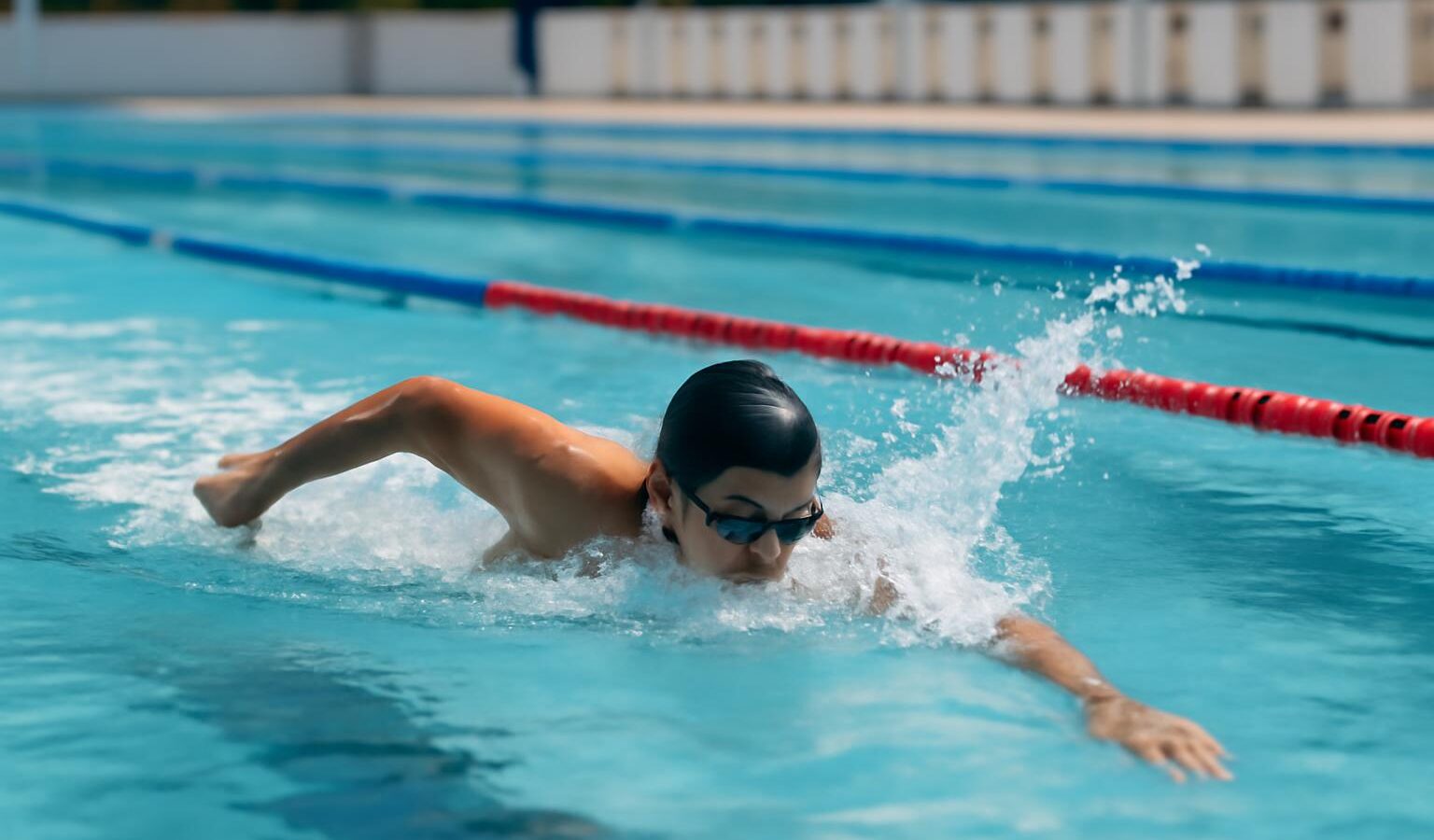
If you want to know how to swim faster, the surprising truth is that speed comes far more from reducing drag and refining technique than from simply trying harder, and this guide explains exactly where the real gains hide.
Most swimmers assume that getting faster means kicking and pulling with more effort. In reality, water is roughly 800 times denser than air, so the biggest brake on your speed is the resistance, or drag, your body creates as it pushes through it. Swim faster, then, is less about brute force and more about becoming sleeker, smoother and more efficient. Below we cover the technique changes that make the biggest difference, for both keen children and adult fitness swimmers.
First, a quick note on who we are: SwimSafer (swimsafer.sg) is an independent private swim school. We coach and prepare students for the national SwimSafer syllabus, but we are not the official programme and are not affiliated with SportSG or Singapore Aquatics. Our head coach, Coach U.K. (Umesh “U.K.” Singh), is an AUSTSWIM-accredited swim teacher and certified Singapore Armed Forces life-saver who has been coaching since 1999.
Reduce drag first: the biggest win
Before you train harder, train smoother. The fastest, cheapest way to gain speed is to slip through the water with less resistance. A swimmer who holds a tight, streamlined shape will always beat an equally fit swimmer who is wide and untidy.
- Streamline off every wall. Push off with arms stretched overhead, one hand over the other, head tucked between your arms, and hold that arrow shape through the glide.
- Keep your body flat and high. Letting your hips and legs sink creates enormous drag. A flat, horizontal line cuts straight through.
- Stop the snaking. Wide, fishtailing legs and a head that swings side to side widen your profile. Keep movements compact and along your line of travel.
Because streamlining matters so much, it is worth practising on its own. Our guide on the SwimSafer stages shows how body position is built from the very beginning.
Sharpen your stroke technique
Once you are sleeker, better propulsion adds speed on top. In freestyle, the area that rewards attention most is the catch and pull.
Improve your catch and pull
The “catch” is the moment your hand and forearm grip the water at the front of the stroke. Aim to bend the elbow and point the fingertips down, so your forearm becomes a large paddle, then pull straight back beneath your body. Pulling with a dropped elbow or a straight arm spills water and wastes effort.
Lengthen each stroke
Reaching fully forward before you catch, and finishing the stroke past your hip, means you travel further per stroke. Counting your strokes per length and trying to cover the same distance in fewer, stronger strokes is a classic way to build efficient speed.
Make your kick work, not waste energy
A good kick should propel you and keep your legs high, not exhaust you. Many swimmers kick from the knee, which bends the legs, drops the hips and creates drag. Instead:
- Kick from the hips with relatively straight, loose legs.
- Keep your ankles relaxed and floppy so your feet act like flippers.
- Keep the kick compact, with feet staying within the shadow of your body.
For more detail, our dedicated piece on improving your kick is worth a read once it is part of your routine. Strong ankle flexibility, in particular, makes a noticeable difference.
Breathe without losing speed
Every time you lift or turn your head badly, you break your streamline and slow down. Smooth breathing protects your speed.
- Turn your head to the side just enough to catch air, keeping one goggle in the water.
- Avoid lifting your head forward, which sinks your legs.
- Exhale steadily into the water so you only need to inhale when you turn.
Build fitness and pace through training
Technique sets your ceiling; fitness helps you reach it. Once your stroke is sound, structured training, such as swimming sets at controlled efforts with short rests, builds the aerobic base and speed endurance that let you hold a fast pace for longer. Interval training (for example, several shorter swims with rest between) is more effective for speed than simply swimming up and down at one steady pace.
Why real speed gains need in-person coaching
Here is the honest part. You can read every tip above, but you cannot watch your own stroke while you swim, and most speed-limiting habits are invisible to the person making them. A dropped elbow, a sinking hip, a sneaky scissor kick, these are spotted in seconds by a coach on the deck and felt for hours by a swimmer guessing alone.
Genuine, lasting improvement in speed comes from in-person coaching, where a qualified teacher can analyse your stroke, correct it in real time and rebuild it safely. Pushing for speed with flawed technique often just ingrains bad habits or risks shoulder strain. Always train within your ability, in a supervised pool, and never chase speed in deep or open water without a coach or lifeguard present. Coach U.K. has refined the strokes of swimmers since 1999, and a few sessions of tailored feedback typically achieves more than months of solo guesswork.
Frequently asked questions
What is the single biggest thing that slows swimmers down?
Drag, especially from a low body position with sinking hips and legs. Fixing your body position and streamlining off the walls usually adds more speed than any amount of extra effort.
Does kicking harder make me faster?
Not necessarily. An untidy, knee-driven kick creates drag and burns energy for little gain. A compact kick from the hips with relaxed ankles is both faster and more efficient than thrashing.
How long does it take to swim noticeably faster?
It varies with your starting point and how often you practise. Technique tweaks can bring quick wins, while fitness-based speed builds over weeks of consistent training. A coach can give you a realistic timeline for your goals.
Should children focus on swimming faster?
For children, building correct technique and water safety should come before chasing speed. Once strokes are sound and the relevant SwimSafer skills are in place, speed develops naturally and safely. Confirm current syllabus requirements with the official SwimSafer programme or Singapore Aquatics, as criteria can change.
Can adults still get faster, or is it too late?
Adults absolutely can get faster. Because most adult swimmers have plenty of technique to refine, focused coaching often produces rapid, satisfying improvements regardless of age.
Do I need special equipment to swim faster?
No. Good technique matters far more than gear. Coaches sometimes use tools like fins or kickboards as teaching aids, but speed comes from how you move, not from equipment you buy.
Ready to swim faster with expert feedback?
If you want real, lasting speed, let a coach see your stroke and fix what you cannot. WhatsApp Coach U.K. on +65 9021 1254 to arrange tailored coaching. You might also explore our adult swimming lessons, kids swimming lessons and the full SwimSafer stages guide.