
How to Swim Breaststroke
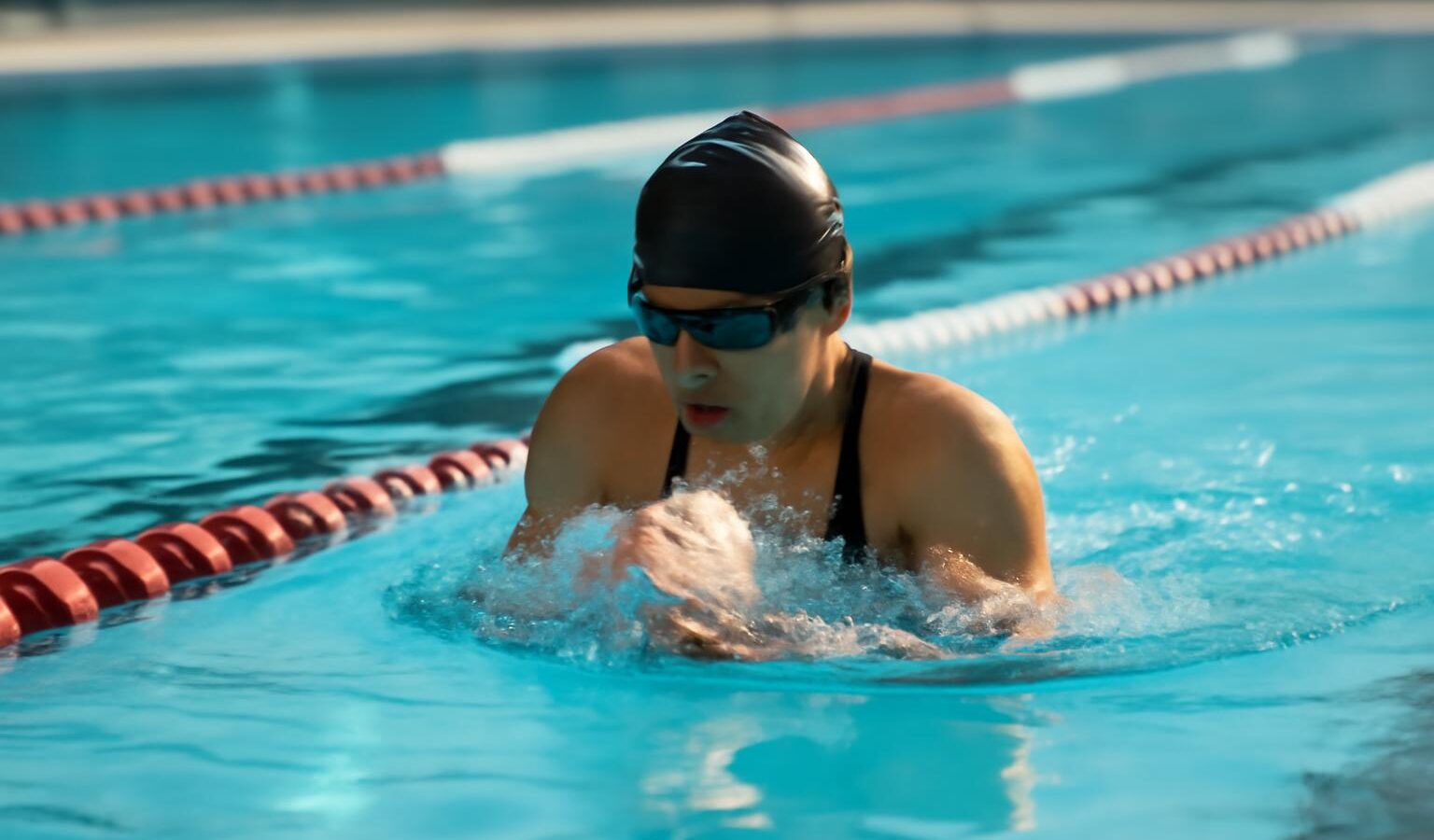
Understanding how to swim breaststroke well comes down to one word: timing. Master the rhythm of pull, breathe, kick and glide, and this graceful, head-up stroke becomes one of the most relaxing and useful ways to move through the water.
Breaststroke is often the first proper stroke Singapore swimmers learn after they can float and glide, and for good reason. You can keep your eyes on where you are going, breathe on every stroke, and travel a long way with surprisingly little effort. It is also a stroke that rewards patience over power, which makes it ideal for cautious beginners, older learners and anyone preparing for the SwimSafer syllabus. In this guide we will break breaststroke down into its parts, then put them back together so the whole thing flows.
A quick independence note
Before we dive in, a point of honesty. We are an independent private swim school. We are not the official SwimSafer programme and we are not affiliated with SportSG, Singapore Aquatics or the National Water Safety Council. What we do is coach and prepare students for the SwimSafer syllabus, and breaststroke is one of the strokes that turns up along that path.
Before you start: water confidence comes first
Breaststroke is a coordinated stroke, so it sits on top of a few foundation skills. Before you worry about technique, you should be comfortable putting your face in the water, exhaling through your nose and mouth, and holding a relaxed front float and glide. If any of those still feel shaky, spend time there first. Trying to learn a full stroke while your body is tense and your breathing is panicky simply builds bad habits that are hard to undo later.
A short safety word, too. Everything below should be practised in shallow water where you can stand, or with a qualified coach beside you in deeper water. Reading about a stroke is no substitute for in-person coaching, where someone can watch your body, correct small faults early and keep you safe while you experiment.
The breaststroke kick (the engine)
Most of your propulsion in breaststroke comes from the legs, so this is the part worth getting right. The kick is sometimes called a “whip kick”, and the sequence is best learned slowly.
- Heels up: from a streamlined glide, bend your knees and draw your heels up towards your bottom, keeping your knees roughly hip-width apart rather than splayed wide.
- Turn the feet out: flex your ankles so your toes point outwards and the soles of your feet face backwards. This is the secret most beginners miss, and it is what lets your feet push water.
- Whip and squeeze: sweep your feet outwards, backwards and then together in one smooth circular motion, finishing with your legs straight and toes pointed.
- Glide: hold that streamlined position for a beat and let the kick carry you.
A good drill is to practise the kick on your back, hands by your sides, so you can feel the heels-up, toes-out, squeeze rhythm without worrying about breathing. Holding a kickboard out in front while you kick on your front is the classic next step.
The breaststroke pull (steering, not power)
The arms in breaststroke do less than people expect. Think of them as steering and lift rather than raw propulsion. From a streamlined position with arms extended forward:
- Out: sweep your hands outwards and slightly down, a little wider than your shoulders, with the palms angled out.
- In: sweep your hands down and in towards your chest in a rounded, heart-shaped motion, pressing the water and creating the lift that raises your head to breathe.
- Forward: shoot your hands back forward into the streamline, leading with the fingertips.
Keep the pull compact. Long, wide, slow arm pulls drag your hips down and kill your glide. The phrase coaches love is “small circles, fast hands forward”.
Breathing and timing: putting it together
Here is where breaststroke clicks. The timing mantra is pull, breathe, kick, glide. As your hands sweep in, your head rises naturally and you take a quick breath in through the mouth. As your hands shoot forward, you drop your face back into the water and your legs whip the kick. Then you glide, exhaling slowly underwater, before the next pull begins.
The single most common beginner mistake is doing everything at once, kicking and pulling together, so the two cancel out. Slow it right down. One stroke, a long glide, repeat. Once the sequence feels natural, you can shorten the glide for speed, but the order never changes.
How breaststroke fits the SwimSafer journey
Breaststroke commonly appears as swimmers progress through the SwimSafer stages, alongside front crawl, survival skills and water-safety knowledge. The exact distances and assessment criteria can change over time, so we keep figures approximate and always recommend confirming current requirements with the official SwimSafer syllabus or Singapore Aquatics before a test. Our job is to make sure a swimmer is genuinely ready, not merely rehearsed.
Common breaststroke mistakes to fix
- Flat feet on the kick: if your toes point backwards instead of out, you have no surface to push with. Turn those feet out.
- Lifting the head too high: a big head-lift sinks the hips. Let the pull lift you just enough to breathe.
- No glide: rushing from one stroke to the next is tiring and slow. Trust the glide.
- Pulling too far back: the hands should never sweep past the chest. Keep the pull in front.
Frequently asked questions
Is breaststroke easier to learn than freestyle?
For many beginners, yes, because you keep your head up and breathe on every stroke, which feels less intimidating. The trade-off is that the timing is fiddly, so it can take practice to coordinate the kick and pull smoothly.
Why do my legs sink when I swim breaststroke?
Usually because the head lifts too high or the glide position breaks down. Keeping your face in the water during the glide and pressing your chest gently down helps lift the hips and keep you level.
How long does it take to learn breaststroke?
It varies hugely with age, water confidence and how often you practise, so we avoid promising a fixed number of lessons. After an initial session, Coach U.K. can give a realistic estimate for you or your child.
Can adults learn breaststroke from scratch?
Absolutely. Breaststroke’s head-up, breathe-every-stroke rhythm makes it a popular choice for adult beginners. Private lessons remove any self-consciousness and let you progress at your own pace.
Is the breaststroke kick bad for the knees?
A correctly performed whip kick is gentle on most knees, but a poorly aligned kick can strain them. This is exactly why in-person coaching matters, so a coach can adjust your technique before any bad habits cause discomfort.
Should I learn breaststroke or freestyle first?
There is no single right answer. Many SwimSafer swimmers meet both, and the best starting stroke depends on the individual. A coach can watch you in the water and recommend the path that will build confidence fastest.
Ready to master breaststroke with a coach?
Timing is far easier to learn with an experienced eye on you, correcting the small things before they stick. WhatsApp Coach U.K. on +65 9021 1254 for a friendly chat about goals, timings and the right pool. While you decide, explore our kids swimming lessons, our adult swimming lessons and the full SwimSafer stages explained roadmap.