
Survival Floating: How and Why to Learn It
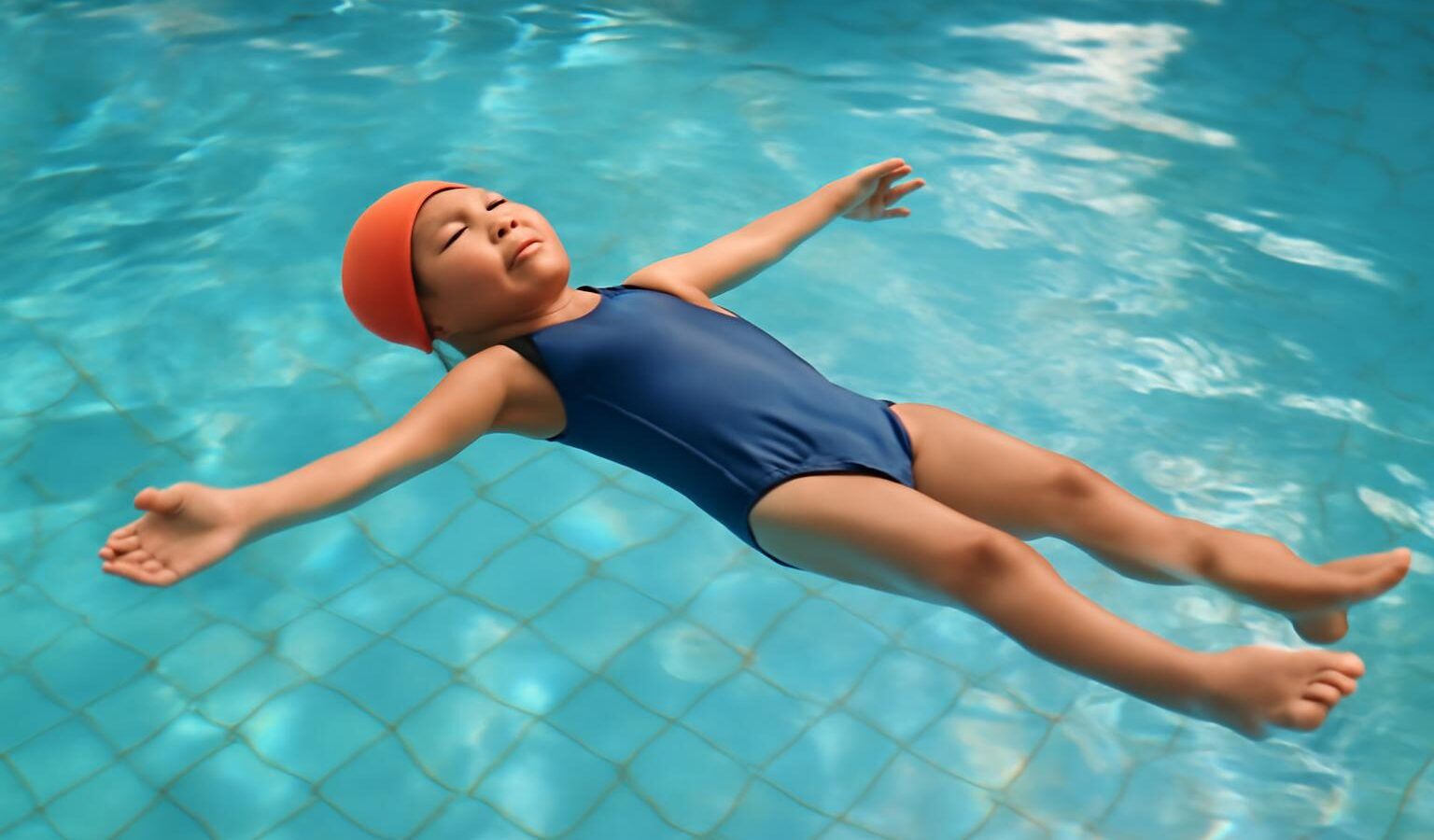
The survival float is one of the most important water-safety skills anyone can learn, because it lets a tired or struggling swimmer rest, breathe and stay afloat without exhausting themselves. Unlike strokes that are about getting somewhere, survival floating is about staying calm and conserving energy until help arrives or you are ready to move — and that simple ability has saved countless lives.
In a country surrounded by water, with pools in nearly every condominium and popular reservoirs and beaches, knowing how to float to survive is not an advanced extra; it is a foundation of water competence for children and adults alike. This guide explains what survival floating is, why it matters so much, and how to begin practising it safely. Because it is a life-saving skill, it is best learned properly with a certified instructor in person.
What is the survival float?
Survival floating is a technique for staying afloat with the least possible effort, allowing you to breathe regularly while waiting for rescue or recovering your composure. There are two common forms:
- Back float: lying on your back with the face clear of the water, which makes breathing easy and is ideal for calm, warm water and for younger children.
- Face-down survival float (sometimes called the “dead man’s float” or jellyfish float): floating face-down and relaxed, then gently lifting the head to breathe before returning to the relaxed position. This conserves energy in situations where staying on the back is difficult.
The shared principle is the same: relax, let the body’s natural buoyancy do the work, and breathe in a slow, controlled rhythm.
Why survival floating saves lives
Most drowning happens not because someone cannot swim a stroke, but because they panic and exhaust themselves trying to keep their head up. Survival floating breaks that deadly cycle:
- It buys time. A floating person can wait calmly for rescue rather than fighting to stay up.
- It conserves energy. Floating uses a fraction of the effort of treading water or swimming.
- It controls panic. A regular breathing rhythm steadies the mind, and a steady mind makes better decisions.
- It works when you are tired, cold or fully clothed — exactly the conditions in which accidents happen.
For children especially, the ability to roll onto the back and float is a core survival response that every parent should want them to have.
How to do a back float, step by step
Practise only in shallow, supervised water with a helper supporting you at first.
- Start supported. Have a partner cradle the back of your head and shoulders while you lie back.
- Tilt the head back. Let your ears go just under the water and look straight up at the sky or ceiling. Tucking the chin sinks the body, so keep the head back.
- Spread out wide. Open your arms and legs into a relaxed star shape to spread your weight across the surface.
- Breathe gently and continuously. Keep air in your lungs — they act like a buoyancy float. Breathe in slow, shallow, regular breaths.
- Relax. Tension makes you sink. Let your body go soft and trust the water to hold you.
How to do a face-down survival float
This version is useful in choppier conditions or when the back float is hard to hold.
- Take a breath and let your face and body rest face-down in the water, arms and legs hanging loosely.
- Stay relaxed and let your back rise towards the surface.
- When you need air, gently press down with the arms and lift the head just enough to breathe out and in.
- Lower the face again and repeat in a slow, unhurried rhythm.
The whole skill rests on staying calm and relaxed — the more you fight, the more you sink.
Tips for practising safely
- Always practise with supervision and, at first, a helper to support you.
- Begin in shallow water where you can stand up easily.
- Take it slowly — a few seconds of relaxed floating is real progress.
- Remember that body shape, lung capacity and water type all affect buoyancy; salt water floats you more easily than fresh.
- Flotation aids are useful for early confidence but are not a substitute for the genuine skill or for supervision.
Why learn this with a certified coach
Survival floating is general water-safety knowledge that everyone benefits from understanding, but turning it into a reliable, calm response under pressure takes proper, in-person teaching and practice. A certified instructor can support you safely, correct the head and body position you cannot see, and build the relaxed confidence the skill depends on. Coach U.K. is AUSTSWIM-accredited, a certified Singapore Armed Forces life-saver and open-water swim trainer, and has taught water survival and life-saving since 1999. For genuine competence and safety, we recommend learning these skills through a structured, certified course rather than self-teaching. As an independent swim school, we coach and prepare students for the SwimSafer syllabus; we are not the official programme.
Frequently asked questions
What is the difference between survival floating and treading water?
Treading water keeps you upright and your head up using continuous movement, which is tiring. Survival floating lets you rest almost motionless while still breathing, conserving energy for much longer. Floating is what you fall back on when you need to last until help arrives.
At what age can a child learn to survival float?
Gentle, supported back floating can begin very young with close supervision, while a reliable, independent survival float develops as a child grows in confidence and control. There is no fixed age — it depends on the individual child and is best guided by a qualified coach.
Why do I sink when I try to float?
Usually because of tension, tucking the chin, or breathing out too much air. Your lungs are natural buoyancy floats, so keep air in them, tilt your head back, relax your whole body and spread out wide. Most people float far better once they stop fighting it.
Can everyone float?
Buoyancy varies with body composition, lung capacity and water type, so some people float more easily than others. Even those who float low can still rest using a relaxed face-down survival float with gentle breathing lifts. Proper technique helps almost everyone stay afloat with minimal effort.
Is survival floating part of the SwimSafer syllabus?
Water-survival skills, including floating and treading, feature in Singapore’s national SwimSafer programme. We coach and prepare students for the SwimSafer syllabus as an independent school. Please confirm current stage requirements with the official SwimSafer syllabus or Singapore Aquatics, as criteria can change.
Should I learn survival floating even if I can already swim?
Absolutely. Strong swimmers still get tired, cramp or caught in unexpected conditions, and the ability to stop and float calmly is a vital safeguard. It is a skill worth having no matter how confident a swimmer you are.
Ready to learn a skill that could save a life?
To learn the survival float and other water-survival skills properly, WhatsApp Coach U.K. on +65 9021 1254 for certified, in-person coaching at a public, condo or home pool island-wide. Explore our water survival and life-saving skills, our kids’ swimming lessons and our adult swimming lessons, or see how it fits the SwimSafer stages.