
How to Streamline in Swimming
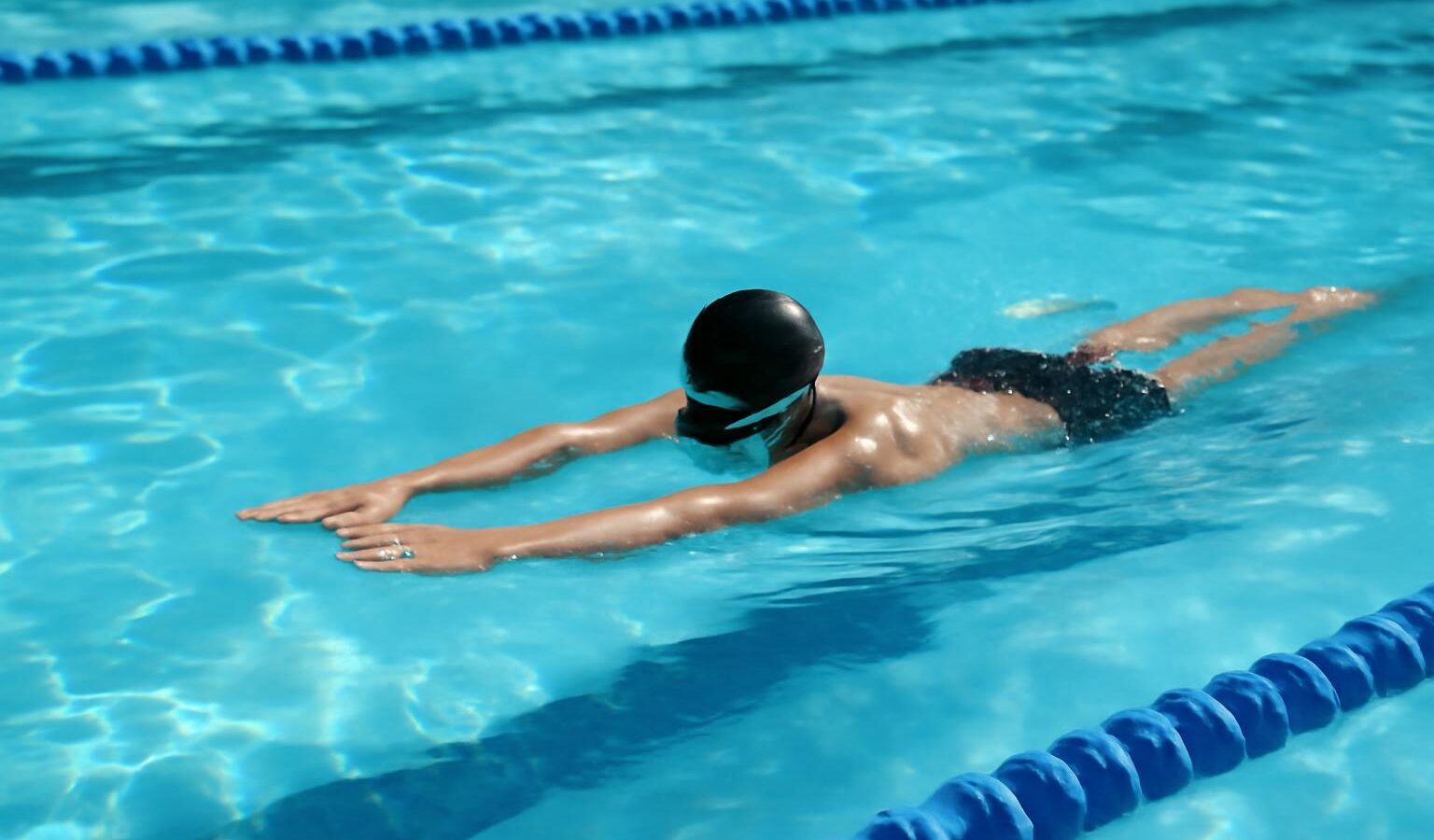
The streamline is the single most efficient shape in swimming, and mastering the streamline position is the fastest way to glide further, cut drag and make every stroke you own feel easier.
If you have ever watched a competitive swimmer launch off a wall and shoot forward like a torpedo before taking a single stroke, you have seen streamlining in action. It is the tight, arrow-shaped body position that slices through the water with the least possible resistance. Beginners often overlook it, yet it underpins fast freestyle, strong push-offs and confident gliding. This guide explains how to streamline, why it matters and the mistakes that quietly slow people down.
First, a quick note on who we are: SwimSafer (swimsafer.sg) is an independent private swim school. We coach and prepare students for the national SwimSafer syllabus, but we are not the official programme and are not affiliated with SportSG or Singapore Aquatics. Our head coach, Coach U.K. (Umesh “U.K.” Singh), is an AUSTSWIM-accredited swim teacher and certified Singapore Armed Forces life-saver, coaching since 1999.
Why streamlining matters so much
Water is far denser than air, so the resistance it creates, called drag, is the main thing slowing every swimmer down. The wider and untidier your body, the more drag you generate. A good streamline presents the smallest, smoothest possible profile to the water, letting you keep the speed you gain from a push-off or a stroke instead of bleeding it away. In practical terms, two swimmers of equal fitness will swim very different times if one streamlines well and the other does not.
The streamline position step by step
You can practise the shape standing on dry land first, then in shallow water, before using it off a wall. Build it piece by piece:
- Stack your hands. Place one hand directly on top of the other, palms down, and overlap your thumbs to lock them together.
- Stretch your arms fully overhead. Reach up as long as you can, as if trying to touch a wall far above your head.
- Squeeze your ears. Press your upper arms against the sides of your head so your ears are tucked behind your arms, with your head in a neutral, face-down position.
- Lengthen your whole body. Pull your tummy in gently, point your toes, and stretch from fingertips to toes into one long, straight line.
- Stay flat and balanced. Keep your body horizontal just under the surface, neither arching up nor letting your hips drop.
Held correctly, your body becomes a single narrow arrow, and that shape is what lets you glide. Our SwimSafer stages guide shows how this body awareness is built from the earliest lessons.
Using the streamline off a wall
The most common use of the streamline is the push-off. Plant your feet on the wall, take your breath, sink slightly, form the streamline, then push away firmly and hold the shape as you glide. Resist the urge to start kicking or pulling immediately, let the streamline carry you first, then begin your kick while still long and tight, and only then take your first stroke.
Common streamlining mistakes
- Hands apart or not stacked. Splayed hands open a gap that catches water. Stack and lock them.
- Lifting or dropping the head. Looking forward arches the back; tucking the chin too far buries you. Keep the head neutral between the arms.
- Bent arms. Soft, bent elbows widen your profile. Stretch the arms fully straight.
- Sinking hips and legs. Letting the lower body drop turns your sleek arrow into a plough. Keep the line flat.
- Relaxing too soon. Releasing the shape the instant you push off wastes the glide. Hold it until you feel yourself slowing.
Drills to improve your streamline
A few simple, supervised drills build the position into muscle memory:
- Push-and-glide: push off the wall in a streamline and see how far you travel before kicking. Try to glide a little further each time.
- Streamline on the back: the same arrow shape works face-up, which helps swimmers feel the long, balanced line.
- Streamline with a gentle kick: hold the shape and add a compact flutter kick without breaking the line, to link streamlining to movement.
Why a coach makes the difference
The streamline looks simple, yet small errors are hard to feel and impossible to see while you swim. You cannot watch your own hips sinking or your own elbows bending mid-glide. A coach standing on the deck spots these instantly and can adjust your shape, your head position and your timing in real time, turning a vague “stretch out” into a precise, repeatable habit.
This is why genuine progress, in streamlining and in swimming generally, comes from in-person coaching rather than from articles alone. Always practise new skills in a supervised pool within your depth and ability, and never test push-offs or gliding in deep water without a coach or lifeguard present. Coach U.K. has spent years refining the body positions that make swimmers efficient and safe, and a few sessions of hands-on feedback achieve far more than solo guesswork.
Frequently asked questions
What exactly is a streamline in swimming?
It is a tight, arrow-shaped body position, arms stretched overhead with hands stacked, head tucked, body long and flat, that creates the least possible drag so you glide through the water efficiently.
When should I use the streamline?
Most often off the wall after a push-off or turn, and at the start of a glide. The same long, tight shape also underpins good body position throughout freestyle and backstroke.
Why do I slow down so quickly after pushing off?
Usually because the streamline is breaking down, hands coming apart, head lifting, hips sinking, or arms bending. Tightening and holding the shape for longer keeps your speed.
Is streamlining suitable for children and beginners?
Yes. It is a foundational skill taught early because it makes everything else easier. Beginners can practise the shape in shallow water with supervision. Confirm current SwimSafer requirements with the official syllabus or Singapore Aquatics, as criteria can change.
How long should I hold a streamline off the wall?
Hold it until you feel yourself naturally slowing, then begin your kick while still long, and take your first stroke after that. Starting to stroke too early wastes the glide.
Can good streamlining really make me faster?
Very much so. Because drag is the main thing slowing swimmers down, reducing it through a clean streamline often adds more speed than extra effort. It is one of the highest-value skills to master.
Ready to perfect your streamline?
If you want a coach to fine-tune your position and glide, let’s get you in the water. WhatsApp Coach U.K. on +65 9021 1254 to arrange a session. You might also explore our adult swimming lessons, kids swimming lessons and the full SwimSafer stages guide.