
How to Stop Water Going Up Your Nose When Swimming
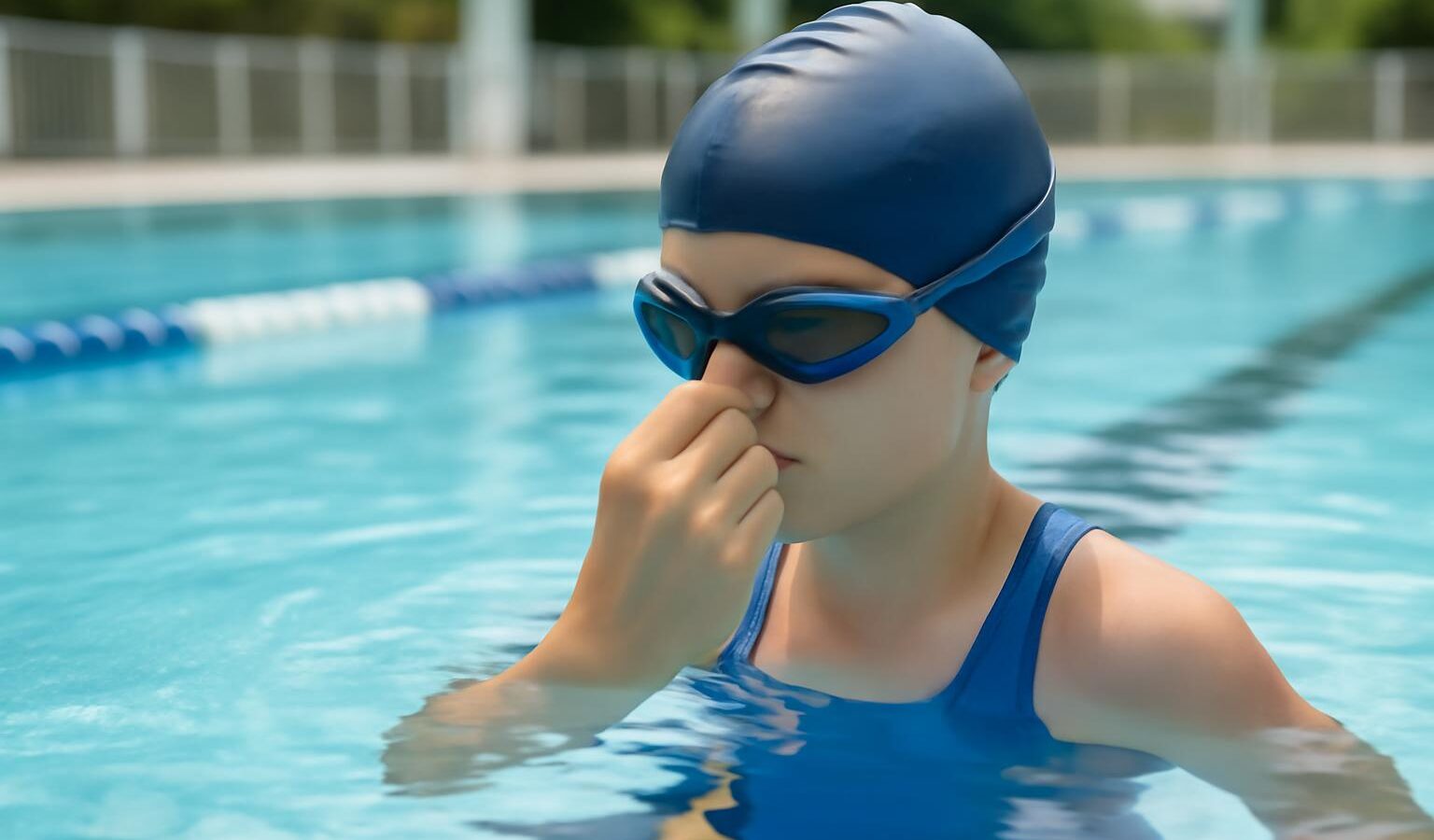
Few things put beginners off faster than that sharp, stinging rush of water up the nose when swimming. The fix is simpler than most people think: it comes down to a steady trickle of air out of your nose and a little practice. Here is exactly how to stop it.
Why water goes up your nose in the first place
When your head is underwater and you are not breathing out through your nose, water can flow in freely. The unpleasant sting is your nasal passages reacting to pool water. It is harmless for most swimmers, but it is uncomfortable enough to break concentration and make people tense, hold their breath, or avoid putting their face in at all.
The single most common cause is simply forgetting to exhale through the nose while submerged. Holding your breath leaves the nasal passages open and undefended. The moment you let a gentle stream of air out, that air pushes back against the water and keeps it from rising up.
The golden rule: breathe out through your nose underwater
This is the heart of the whole technique. Whenever your face is in the water, you should be releasing a slow, continuous stream of bubbles from your nose (or nose and mouth together). As long as air is flowing outward, water cannot flow inward.
- Steady, not forceful: a relaxed trickle is plenty. You do not need to blow hard, and blowing too forcefully wastes air and tires you out.
- Continuous, not in bursts: the protection only lasts while air is leaving. Keep a gentle hum of bubbles going the whole time your face is under.
- Through the nose for nose protection: some swimmers breathe out through the mouth and forget the nose entirely. Make sure some air is going out of the nose.
Drills to build the habit
Like any swimming skill, nose-breathing becomes automatic with practice. These simple drills work for children and adults alike, and they are gentle enough for nervous beginners. Always practise in shallow water within your depth, and ideally with someone watching.
1. Humming bubbles
Standing in shallow water, take a breath, lower your face just below the surface and hum gently through your nose so you can see and feel the bubbles. Humming forces air out of the nose, so it is a brilliant way to learn the feeling. Come up, breathe, and repeat.
2. Bobbing
- Take a breath above the surface through your mouth.
- Sink down and breathe out slowly through your nose.
- Rise back up, breathe in, and repeat in a smooth rhythm.
Bobbing teaches the in-through-the-mouth, out-through-the-nose pattern that underpins almost all swimming breathing.
3. Face-down floating with bubbles
Hold the wall or a kickboard, put your face down and keep a steady trickle of nose bubbles going for as long as it is comfortable. This rehearses exactly what you will do while gliding and swimming front crawl.
4. Add it to your strokes
Once the breathing feels natural standing still, carry it into gliding and full strokes. In front crawl and breaststroke you breathe out through the nose (and mouth) while your face is down, then breathe in quickly when you turn or lift your head.
Gear that can help
Technique is the real solution, but a couple of items can make learning more comfortable, especially while you build confidence.
- A nose clip: these gently seal the nostrils and stop water entering. They are popular for backstroke, somersaults and synchronised swimming. They are a useful crutch, but try to keep developing your nose-breathing so you are not dependent on one.
- A well-fitted mask or full-face style goggles: some beginners feel calmer with more of the face covered, though standard goggles plus good breathing are all most swimmers need.
Backstroke deserves a special mention. Because you are face-up, water tends to run down towards the nose, particularly when you push off or get splashed. A light, steady exhale through the nose still helps, and many backstrokers use a nose clip until their timing improves.
Stay relaxed, and the rest follows
Tension is the hidden culprit behind a lot of water-up-the-nose trouble. When swimmers panic, they hold their breath, snatch at the air and lose their rhythm, which is exactly when water sneaks in. Slowing everything down, keeping the shoulders loose and trusting the steady bubble stream makes a remarkable difference. This calm, controlled approach is something we focus on heavily with nervous beginners, because confidence and clean breathing reinforce one another.
A note on comfort and health
Getting a little water up the nose now and then is normal and not dangerous for most people. However, if you find that swimming consistently leaves you with a blocked nose, sneezing, sinus discomfort or irritation that does not settle, that is a general health matter worth raising with a pharmacist or doctor, especially if it keeps recurring. Pool water can occasionally aggravate sensitive sinuses or allergies, and a healthcare professional can give advice suited to you. If symptoms persist, please see a doctor.
Why in-person coaching speeds this up
Breathing technique is hard to self-correct because you cannot easily see what you are doing. A coach can spot whether you are truly exhaling through the nose, whether your timing is off, or whether tension is the real problem, and adjust on the spot. For safety, always learn and practise in water within your depth and under supervision, never alone. With patient, in-person guidance most swimmers stop the nose-stinging problem within a few sessions.
Frequently asked questions
Why does water keep going up my nose when I swim?
Almost always because you are not breathing out through your nose while your face is underwater. Holding your breath leaves the nasal passages open. A slow, steady stream of air out of the nose keeps water from entering.
How do I stop water going up my nose without a nose clip?
Practise exhaling continuously through your nose whenever your face is submerged. Drills like humming bubbles and bobbing build the habit quickly, so you can swim comfortably without relying on a clip.
Are nose clips a good idea for beginners?
They can be helpful while you build confidence, and many backstrokers use them. Just keep practising your nose-breathing alongside, so you develop the skill rather than depending on the clip forever.
Why does water go up my nose more during backstroke?
Because you are face-up, water runs down towards the nose, especially on push-offs or when splashed. A gentle, steady nose exhale helps, and a nose clip is a common solution until your timing improves.
Is it dangerous to get water up your nose?
For most people it is just uncomfortable, not dangerous. If swimming regularly leaves you with lasting sinus irritation, a blocked nose or sneezing, mention it to a pharmacist or doctor, particularly if it keeps happening.
How long does it take to learn to stop water going up my nose?
With consistent practice of the breathing drills, many swimmers see a big improvement within a few sessions. In-person coaching usually speeds things up because a coach can correct your timing and technique directly.
Call-to-action
Learn calm, confident breathing
If water up the nose is holding you back, the answer is good breathing technique taught patiently and in person. Coach U.K. coaches children, adults and nervous beginners across Singapore to breathe and swim with confidence. WhatsApp Coach U.K. on +65 9021 1254 to get started. You may also like our lessons for nervous beginners, adult swimming lessons, or our kids swimming lessons.