
Why You Sink When Swimming (and How to Stop)
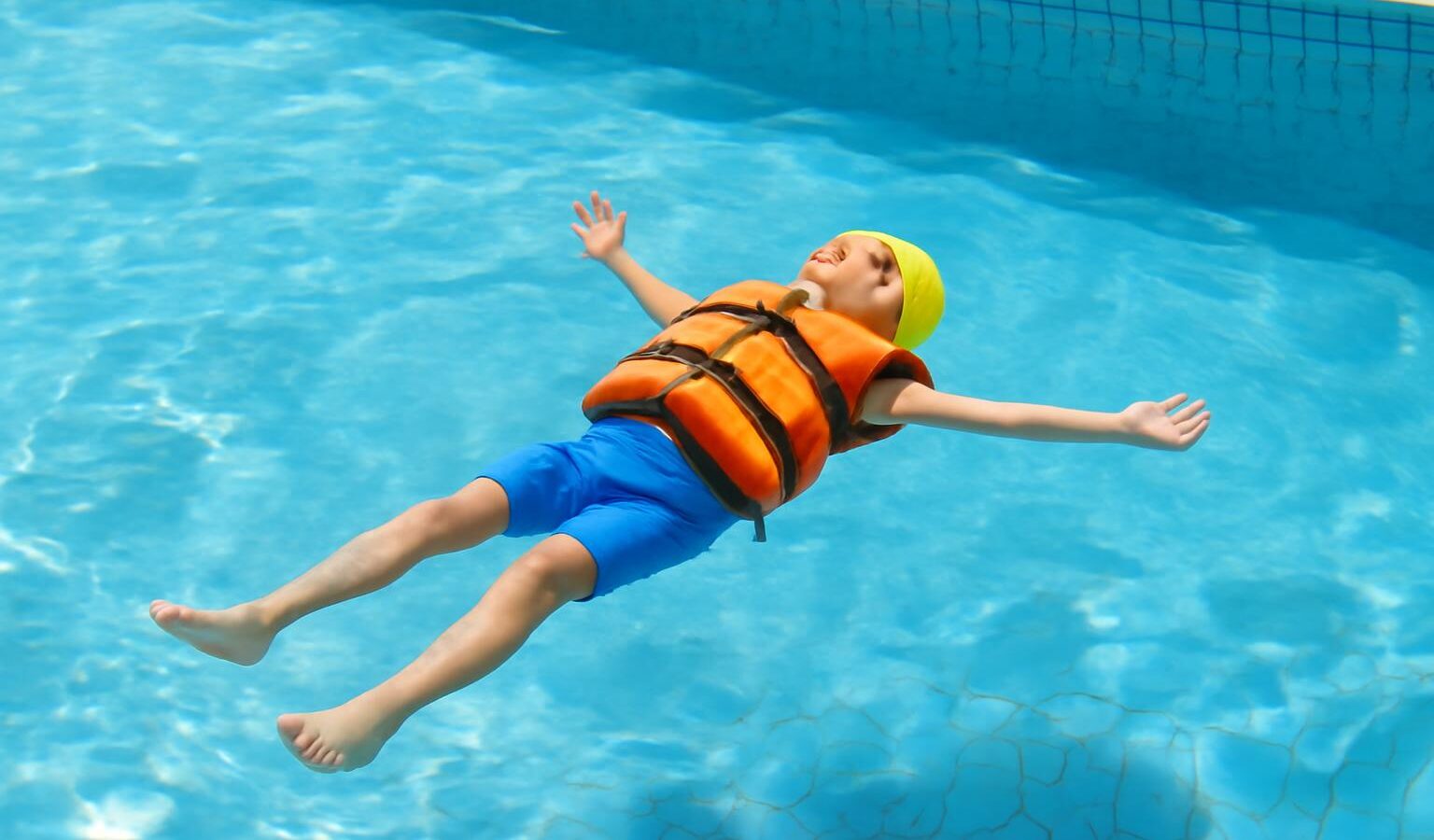
If you want to stop sinking when swimming, the secret is rarely strength — it is breathing, body position and relaxation. Once you understand why your body drops in the water, you can fix it far faster than you might expect.
Almost every swimmer, from nervous adult beginners to children working through their early lessons, hits the same frustrating wall: they feel like a stone. The legs drop, the hips sag, and the harder they fight, the lower they sink. The good news is that sinking is almost always a technique and confidence problem, not a sign that your body simply cannot float. This guide explains the real reasons people sink and walks you through the practical fixes a coach uses in the pool.
A quick note on who we are: SwimSafer (swimsafer.sg) is an independent private swim school. We coach and prepare students for the national SwimSafer syllabus, but we are not the official programme and are not affiliated with SportSG or Singapore Aquatics. Our head coach, Coach U.K. (Umesh “U.K.” Singh), is an AUSTSWIM-accredited swim teacher and certified Singapore Armed Forces life-saver who has coached since 1999.
Why you sink in the first place
Human bodies are naturally buoyant when the lungs are full of air, but several things conspire to pull beginners down. Understanding them is half the battle.
- Breathing out too much. Your lungs are like built-in balloons. Empty them and you lose buoyancy instantly. Many beginners exhale hard or hold their breath out, then wonder why they drop.
- Tension. A stiff, anxious body sinks. Relaxed muscles sit higher in the water. Fear creates tension, and tension creates sinking — a frustrating loop.
- Lifting the head. Raising your head to look forward or to breathe pushes your hips and legs straight down, like a see-saw.
- Weak or stiff position. Letting the hips sag breaks the long, flat shape that lets water support you.
- Body composition. Lean, muscular bodies are denser and naturally float a little lower. This is not a barrier — it simply means relaxation and technique matter more.
Fix one: breathe to float
Before anything else, change how you breathe. Keep your lungs comfortably full most of the time, taking quick breaths in and slow, gentle breaths out rather than blasting all your air out at once. Think of your chest as a buoyancy tank you want to keep topped up. Practise floating on your back while breathing slowly and you will feel yourself rise as your lungs fill. This single change transforms many “sinkers” within a lesson or two.
Fix two: keep your head down
When swimming front crawl or doing a front glide, look down at the bottom of the pool, not forward. Your head and spine should form one long line. The moment you lift your head to look ahead, your legs drop. To breathe, roll or turn your head to the side rather than lifting it up. Children especially benefit from the cue “eyes down, hips up”.
Fix three: lengthen your body
Sinking often comes from a short, bunched-up shape. Stretch out instead. Reach your arms forward, point your toes behind you, and imagine someone gently pulling you long from both ends. A longer body spreads your weight over more water and naturally sits higher. This streamlined shape is also the foundation of every efficient stroke.
The push-and-glide drill
A simple drill to feel this: in shallow water you can stand in, take a breath, push gently off the wall or pool floor with your face down and arms stretched forward, and glide in a straight, long line. Notice how your body lifts when you stay long and relaxed, and how it drops the instant you tense or lift your head. Repeat until the floating feeling becomes familiar.
Fix four: relax and trust the water
This is the hardest fix and the most important. Tension is the number one cause of sinking, and you cannot force yourself to relax — you build it gradually through positive, unhurried practice. Start in water you can stand up in, keep early attempts short, and never push past panic. As trust grows, your body softens and rises. Coach U.K. specialises in nervous beginners and aqua phobia, and the method is always the same: go slowly, stay supported until confidence builds, and celebrate small wins.
What about your legs sinking specifically?
Sinking legs are the most common complaint, especially among adults. The usual causes are lifting the head, holding tension in the lower back, and a weak or absent kick. A gentle, continuous flutter kick from the hips — not big, splashy knee-bending kicks — helps lift the legs and keep them near the surface. Combine a relaxed kick with a head-down position and a long body, and most sinking legs rise.
A note on safety
Reading about technique is useful, but it is not the same as doing it safely under pressure. Real progress comes from in-person coaching with a qualified teacher who can support you and manage safety. Always practise in a supervised setting, start in shallow water, and never test yourself in deep or open water without a coach or lifeguard present.
Frequently asked questions
Why do I sink even when I try to float?
The usual culprits are breathing out too much, tensing up, and lifting your head. Keep your lungs comfortably full, let your body go soft, and rest your head back on a float. Some people are naturally less buoyant and need a little more relaxation and better position, which a coach can help you find.
Do heavier or muscular people sink more easily?
Lean and muscular bodies are denser and tend to float a little lower, while body fat adds buoyancy. This does not stop anyone learning to swim — it simply means breathing, relaxation and good technique do more of the work. With patient coaching, the vast majority of people learn to stay up.
Why do my legs sink but my upper body floats?
Sinking legs usually come from lifting the head, tension in the lower back, or no kick. Look down, lengthen your body, and add a gentle flutter kick from the hips. Together these lift the legs towards the surface.
Will swimming aids like a kickboard or pool noodle help?
Yes, used sensibly. Aids let you experience the correct position and feel what floating should be like, which builds confidence. A good coach uses them as temporary tools and gradually removes the support as your own buoyancy and technique improve.
How long does it take to stop sinking?
It varies. Some learners feel the difference within a session once their breathing and head position change; nervous beginners may need longer to relax enough. The pace matters less than building genuine confidence, so we follow each learner’s progress rather than a fixed timetable.
Is being able to float a safety skill?
Very much so. Floating calmly and catching your breath can buy vital time if you ever tire or get into difficulty. That said, water safety should be learned properly through qualified coaching, not from an article alone.
Ready to stop sinking and start swimming?
Whether you are a nervous adult or a parent wanting your child to build strong foundations, we will help you relax, breathe and trust the water. WhatsApp Coach U.K. on +65 9021 1254 to get started. You might also explore our lessons for nervous beginners, adult swimming lessons and our SwimSafer stages guide.