
Helping a Child Put Their Face in the Water
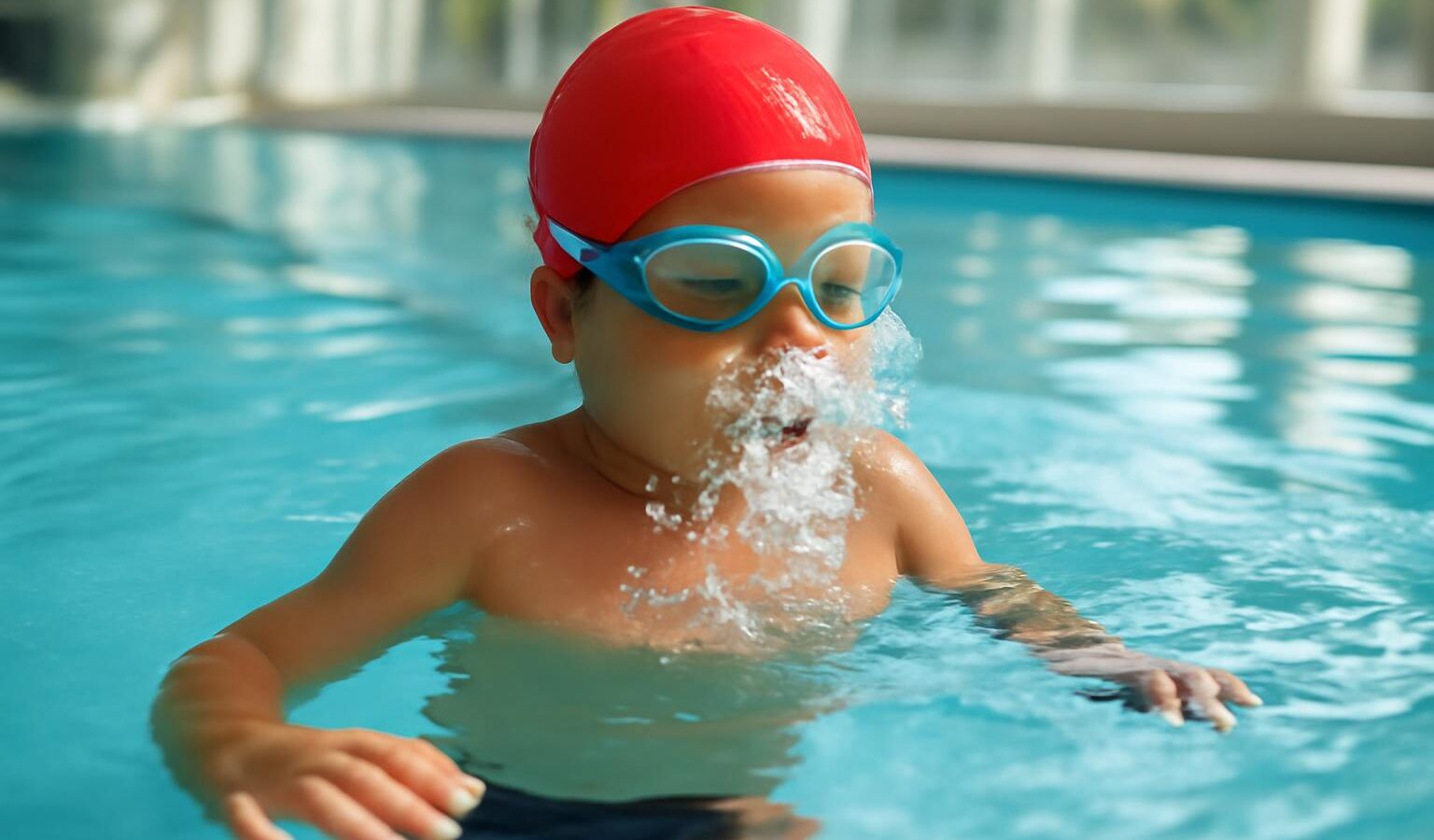
Getting a nervous child to put their face in the water is one of the biggest hurdles in early swimming — and one of the most rewarding to overcome. Helping a child face in water calmly and willingly is not about bravery or willpower; it is about breaking the skill into tiny, playful steps so the fear never gets a chance to take hold.
Almost every young swimmer hesitates at this stage, because submerging the face means trusting the water around the eyes, nose and mouth all at once. Pushing, dunking or “just getting it over with” tends to backfire badly, sometimes creating a lasting aqua phobia. The patient, game-based approach below is the same philosophy Coach U.K. uses with nervous beginners, and it works because it puts the child in control.
Why children resist putting their face in
Understanding the fear helps you respond to it kindly. For a young child, the face going underwater can feel overwhelming because:
- Water up the nose is genuinely unpleasant and stings if breathed in.
- They cannot see clearly without goggles, which feels disorientating.
- They worry they will not be able to breathe.
- A past splash, dunk or coughing fit may have frightened them.
None of these are irrational — they are sensible caution. Your job is to show the child, step by step, that the water is safe and that they remain in charge the whole time.
Start far from the face and work inwards
Never begin with the whole face. Build up gradually, celebrating each small win so the child feels successful at every stage.
Step 1: Wet the hands and arms
Let your child pour and splash water over their own hands, then arms, then shoulders. This first contact, done on their terms, sets a calm, in-control tone.
Step 2: Cheeks, chin and lips
Encourage gentle splashes on the cheeks, then ask them to dip just the chin, then the lips, into the water. “Can you give the water a kiss?” turns it into a game rather than a test.
Step 3: Blow bubbles with the mouth
With the mouth at the surface, ask them to blow bubbles like a motorboat. This is a crucial step — it teaches them to breathe out into the water, which is what stops water going up the nose later.
Step 4: Add the nose
Now ask them to hum or blow gently through the nose as well, keeping a steady stream of bubbles. Breathing out continuously is the secret that makes face submersion comfortable.
Step 5: The whole face, briefly
Finally, invite them to dip the whole face for just one second while blowing bubbles, then lift straight back up. One second is a triumph. Build to two, then three, always letting the child choose to go.
Games that make it fun
Children learn best when they are too busy playing to feel afraid. Try these:
- Bubble songs: sing “Row, Row, Row Your Boat” and blow bubbles on the last line.
- Talk to the fish: ask them to put their mouth under and “say hello” to imaginary fish with a stream of bubbles.
- Treasure dips: place a bright toy on a shallow step and ask them to “find it” with their face close to the water, progressing to a quick dip.
- Counting challenges: “Can you keep your chin in for three claps?” gives them a clear, achievable goal they control.
Goggles can help — but teach the skill without them too
Well-fitting goggles remove the sting and the blur, and they often give a hesitant child the confidence to try. They are a wonderful tool. That said, it is worth gently practising face-in-water without goggles too, so your child is comfortable and safe even if their goggles come off unexpectedly — a real and important water-safety skill.
What not to do
- Never dunk a child by surprise. A single forced submersion can undo weeks of progress and create deep mistrust.
- Don’t rush or compare. Children progress at wildly different rates; pressure only adds fear.
- Don’t show your own anxiety. Stay calm and upbeat — children read your face before they trust the water.
Safety and the value of in-person coaching
Always stay within arm’s reach, keep sessions in shallow, supervised water, and remember that flotation aids are not safety devices. While these games are something parents can enjoy at home or the condo pool, a qualified coach can read your child’s body language, progress the skill safely and turn a sticking point into a breakthrough. Coach U.K. is AUSTSWIM-accredited, has coached since 1999 and specialises in nervous beginners, aqua phobia and children with special needs. As an independent swim school we coach and prepare students for the SwimSafer syllabus; we are not the official programme.
Frequently asked questions
How do I get my child to put their face in the water without forcing them?
Break it into tiny steps — wetting the hands, then chin, then lips, then bubbles, then a one-second face dip — and let your child choose to take each step. Make every stage a game and celebrate small wins. Forcing or dunking almost always backfires and deepens the fear.
Why does my child get water up the nose?
Because they are not breathing out through the nose while their face is under. Teach them to hum or blow a steady stream of bubbles through the nose; the outward airflow keeps water from going up. This is the single most important skill for comfortable submersion.
Should my child wear goggles?
Goggles remove the sting and blur and often boost confidence, so they are a great help. It is still wise to practise occasional face-in-water without goggles, so your child stays calm and safe if their goggles ever come off in the water.
My child had a scary experience and now refuses. What can I do?
Go right back to the gentlest steps — even just splashing the cheeks — and rebuild trust slowly with no pressure. Keep sessions short, positive and predictable. A patient, specialist coach can be especially helpful in rebuilding confidence after a frightening moment.
At what age should a child be able to put their face in?
There is no fixed age. Some toddlers happily blow bubbles, while some older children take longer. Focus on your child’s comfort and steady progress rather than a target age, and the milestone will come in its own time.
How does this relate to SwimSafer?
Submerging the face, blowing bubbles and breath control are foundations rewarded in the early SwimSafer stages. We coach and prepare students for the SwimSafer syllabus as an independent school, and recommend confirming current stage requirements with the official SwimSafer syllabus or Singapore Aquatics, as criteria can change.
Need a patient coach to get your child past this hurdle?
If face-in-water has become a sticking point, WhatsApp Coach U.K. on +65 9021 1254 for gentle, expert lessons at a public, condo or home pool island-wide. Explore our lessons for nervous beginners, our kids’ swimming lessons and our special needs swimming lessons, or see how each step fits the SwimSafer stages.