
How to Prepare for the SwimSafer Test
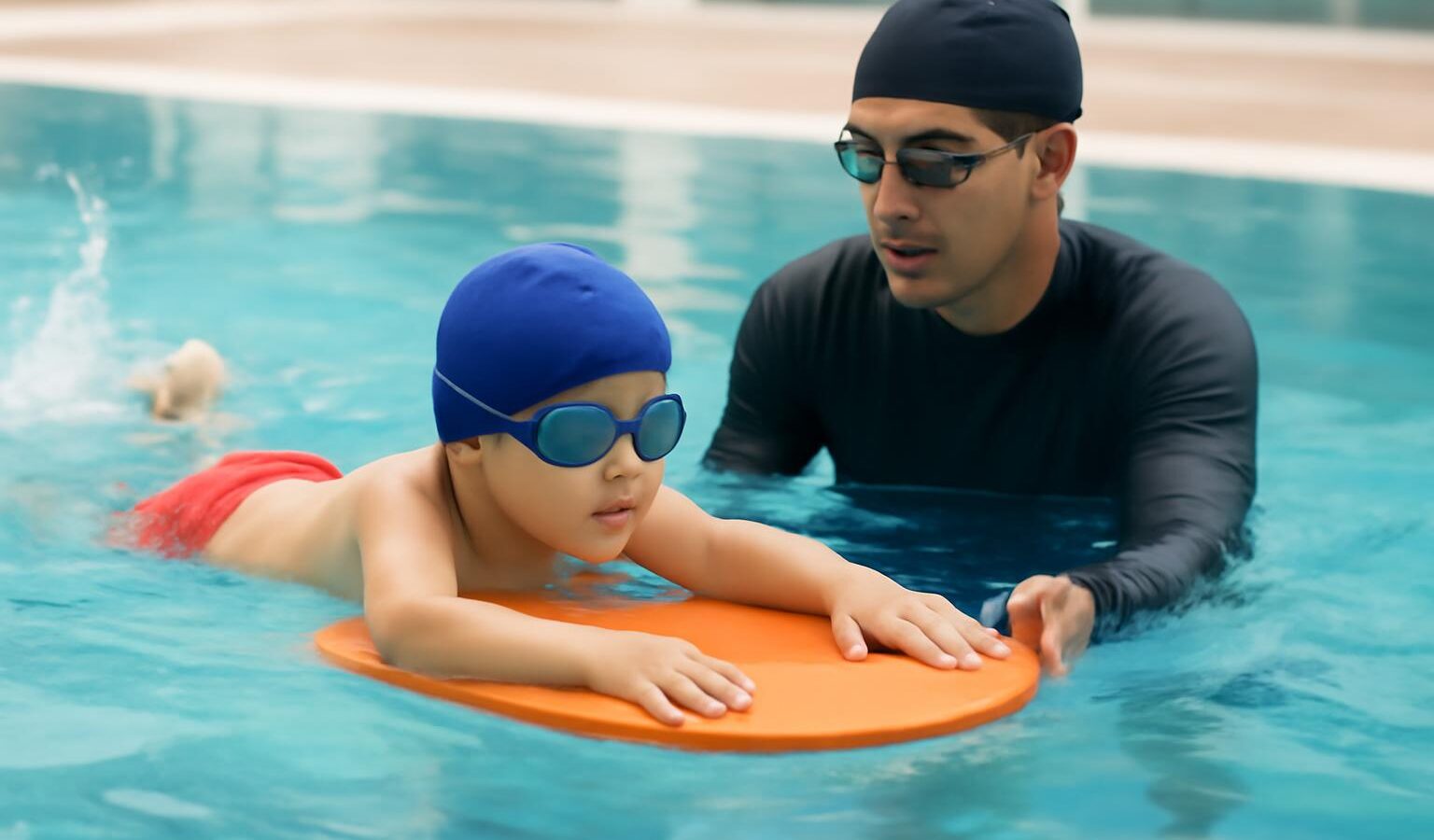
Knowing how to prepare for the SwimSafer test takes the guesswork out of assessment day and gives your child the calm confidence that comes from being genuinely ready. This guide walks you through what to practise, what to bring and how to settle nerves so your swimmer performs at their best.
SwimSafer is Singapore’s national water-safety and learn-to-swim programme, and most children encounter it through school or through private coaching. While each stage has its own skills to demonstrate, the way you prepare is broadly the same: build the underlying water competency, rehearse the specific assessment items, and arrive rested and relaxed. As an independent swim school, we coach and prepare students for the SwimSafer syllabus rather than run the official programme, but we have guided hundreds of children to their assessments and the preparation principles below are the ones we use every week.
Understand what the test actually involves
Before you can prepare effectively, it helps to know what is being assessed. SwimSafer is divided into a series of stages, from the foundational Stage 1 through to the Bronze, Silver and Gold awards. Each stage combines water-survival skills, propulsion (actual swimming), and a small amount of water-safety knowledge. Earlier stages focus on comfort, submersion, floating and short distances; later stages introduce recognised strokes, longer distances, treading water and survival sequences.
The exact distances, times and criteria can be updated from time to time, so always confirm the current requirements for your child’s stage against the official SwimSafer syllabus or Singapore Aquatics. Treat any specific figures you read online, including ours, as approximate. What does not change is the value of being comfortable, in control and able to repeat each skill reliably rather than just once by luck.
Match preparation to the right stage
One of the most common mistakes parents make is preparing a child for the wrong stage, either too easy (so the child is bored) or too hard (so the child is overwhelmed). If you are unsure where your child sits, a quick assessment with a qualified coach will pinpoint the right starting point. You can read our overview on the SwimSafer stages explained page to get oriented before you begin.
A practical preparation checklist
Whatever stage your child is attempting, the following habits build readiness over the weeks leading up to the assessment:
- Practise the exact skills being tested. If the stage requires a glide and recover to standing, rehearse precisely that, not a vague approximation. Specificity wins.
- Build repeatability. Aim for your child to perform each skill correctly several times in a row. Assessment-day nerves erode performance, so a comfortable margin matters.
- Swim regularly, not just once before the test. Two shorter sessions a week beats a single long cram session. Water confidence is built through consistent exposure.
- Work on breathing and rhythm. Many children can move through the water but panic on the breath. Rhythmic bobbing and exhaling underwater is worth practising on its own.
- Rehearse entries and exits. Getting in safely and climbing out unaided are genuine survival skills and are often part of the assessment.
- Review the simple water-safety knowledge appropriate to the stage, such as recognising danger, the importance of swimming with a buddy, and what to do if someone is in trouble.
Drills you can do together
Even if a coach leads the formal preparation, supportive practice with a parent helps. Try star floats on the front and back, push-and-glide from the wall, blowing bubbles for a slow count, and short kicking with a flotation aid before progressing without one. Keep each drill short, praise effort over outcome, and stop while your child is still enjoying it. For nervous swimmers, our guidance on building water confidence in nervous beginners pairs well with formal lessons.
Looking after the body and the mind
Physical readiness is only half the picture. A child who is tired, hungry or anxious will underperform regardless of skill. In the days before the test, prioritise sleep and keep training light so muscles are fresh. On the morning itself, a light meal a couple of hours beforehand and good hydration help. Singapore’s pools can feel cool to a small body, so a short warm-up swim, where permitted, settles the nervous system.
Just as important is the emotional framing. Tell your child the test is simply a chance to “show what they can already do.” Avoid loading the day with pressure or talk of failing. If your child does not pass a particular item, that is feedback, not a verdict, and most stages can be re-attempted after a little more practice.
What to bring on the day
- Properly fitting swimwear and a swim cap.
- Goggles your child has trained in, not a brand-new pair they have never worn.
- A towel, a change of clothes and a warm layer for afterwards.
- Water to drink and a small snack for after the assessment.
- Any identification or paperwork requested by the test organiser.
How a coach speeds things up
Self-led practice is valuable, but a qualified coach shortens the path considerably. Coach U.K. (Umesh “U.K.” Singh) is an AUSTSWIM-accredited swim teacher, a certified Singapore Armed Forces life-saver and an open-water swim trainer who has coached since 1999. That experience means he can spot the one technical fault holding a child back, rehearse the precise assessment sequence, and read whether a swimmer is genuinely ready or simply having a good day. For children who are anxious, have special needs, or are starting from zero, that tailored attention often makes the difference between a stressful attempt and a smooth pass.
Frequently asked questions
How long does it take to prepare for the SwimSafer test?
It depends entirely on your child’s starting point and the stage being attempted. A confident swimmer polishing a few items may need only a handful of sessions, while a beginner building from scratch may need several months of regular lessons. Consistency matters more than intensity.
Can I prepare my child for SwimSafer myself?
You can certainly support practice with floats, glides and breathing games, and this helps. However, the specific stroke technique and survival sequences are best taught by a qualified coach so that bad habits do not become hard to undo later.
What happens if my child does not pass?
Not passing a particular item simply means a little more practice is needed before re-attempting. It is a normal part of learning to swim and not something to worry about. Treat it as useful feedback on what to work on next.
Should my child wear goggles for the test?
Generally yes, and they should wear the same goggles they have trained in. A familiar, well-fitting pair avoids the distraction of leaks or fogging on the day. Always confirm any equipment rules with the test organiser beforehand.
How do I know which SwimSafer stage my child should attempt?
A short assessment with a coach is the most reliable way to match your child to the right stage. As a guide, comfort with submersion and floating points toward the earlier stages, while confident stroke swimming points toward Bronze and beyond. Confirm stage criteria with the official syllabus.
Are the test distances and times fixed?
The criteria can be reviewed and updated, so treat any figures as approximate and confirm the current requirements with the official SwimSafer syllabus or Singapore Aquatics before the assessment.
Ready to prepare with a coach who knows the syllabus?
If you would like a structured, confidence-first path to assessment day, WhatsApp Coach U.K. on +65 9021 1254 to arrange a quick chat and an assessment of your child’s current stage. We coach island-wide at public and condo pools, and you can explore our kids swimming lessons or browse the full SwimSafer stages to see exactly what your child is working toward. Independent swim school, official syllabus, real results.