
How to Prepare for Your First Swimming Lesson
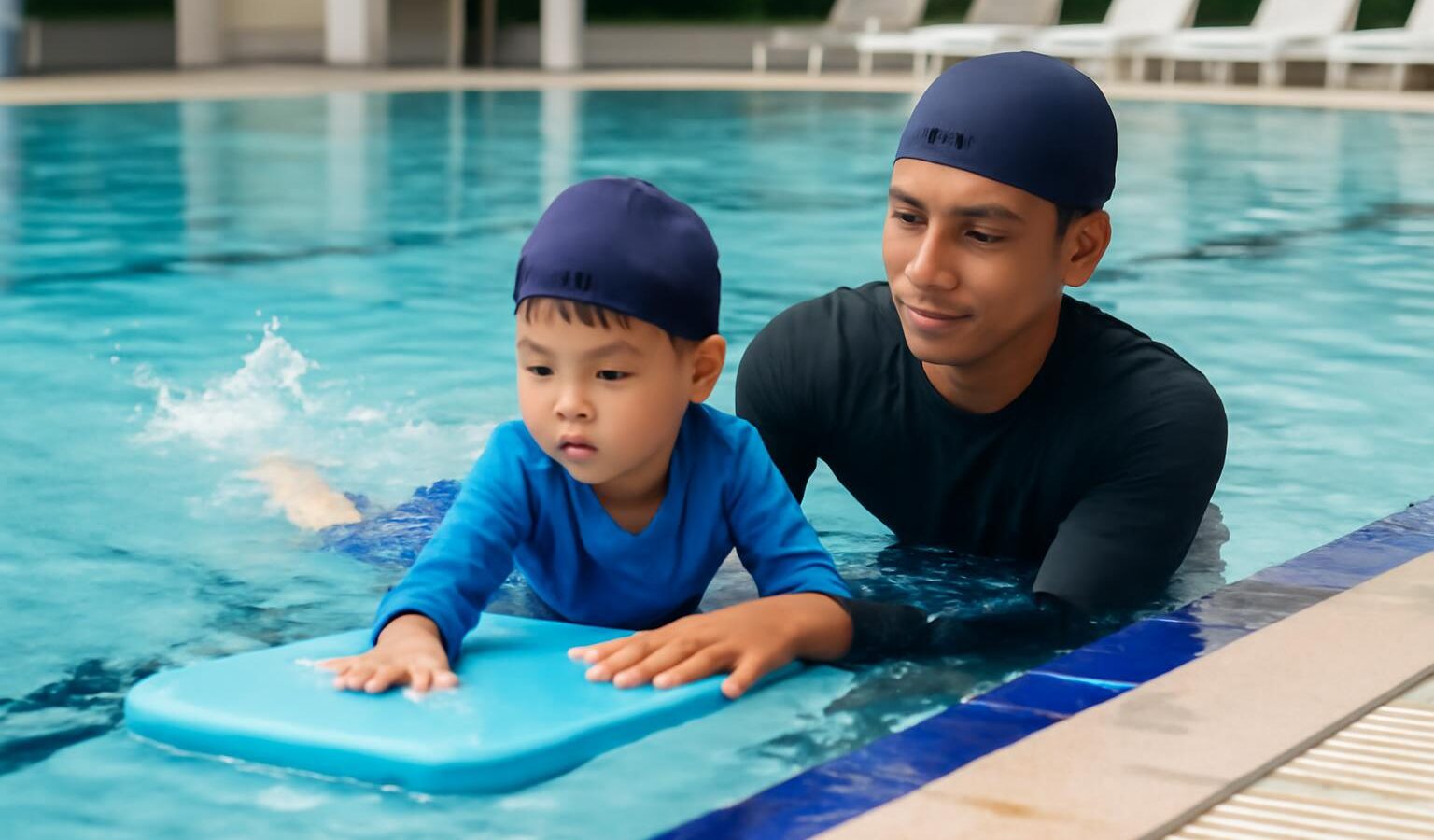
Knowing how to prepare for your first swimming lesson makes a real difference to how smoothly it goes. A little planning — the right kit, a calm mindset and realistic expectations — helps your child (or you) arrive relaxed, ready and excited rather than anxious.
SwimSafer (swimsafer.sg) is an independent private swim school that coaches and prepares students for the national SwimSafer syllabus. We are not the official programme and are not affiliated with SportSG, Singapore Aquatics or the National Water Safety Council. After welcoming countless first-timers to the pool, we have put together this friendly checklist so your first lesson starts on the right foot.
What to pack for the first lesson
Getting your bag right removes last-minute stress. Here is what to bring:
- Swimwear: A comfortable, well-fitting swimsuit or swim shorts. For babies and toddlers, a swim nappy is essential.
- Goggles: A properly fitting pair makes the water far more comfortable and helps your child keep their eyes open and relax.
- Towel: A large, absorbent towel — Singapore’s air-conditioned changing areas can feel chilly after a swim.
- Swim cap: Useful for keeping hair out of the face and often required at many pools, including for SwimSafer assessments at public complexes.
- A change of clothes: Dry, easy-to-pull-on clothes for afterwards.
- Water bottle: Swimming is thirsty work, even in the pool.
- A light snack: For after the lesson, as children are often hungry.
- Sunscreen: For outdoor pools, apply before arriving.
- Flip-flops or sandals: Easy footwear for poolside.
Before you arrive: simple preparation
Talk about it positively
Children take their cue from you. Speak about the lesson as a fun, exciting adventure rather than a test. Avoid passing on any of your own nerves about water — keep the tone light and encouraging. A child who expects to enjoy themselves usually does.
Get familiar with water at home
In the days before, make bath or shower time playful — pouring water over the head, blowing bubbles, getting the face a little wet. These small, no-pressure experiences make the pool feel less alien on day one.
Have a light meal beforehand
Aim for a small meal or snack an hour or so before the lesson, not a big meal right before. A child who is neither too full nor too hungry will be comfortable and focused in the water.
Arrive early and relaxed
Give yourselves time to change, use the toilet and get to the poolside calmly. Rushing in flustered sets a tense tone; arriving with a few minutes to spare lets your child settle and watch the water before starting.
What to expect during the first lesson
The first lesson is mostly about comfort, trust and getting a feel for the water — not dramatic progress. A good coach will spend time simply helping your child feel safe and building rapport. Typical first-lesson activities include:
- Getting into the water gently and getting used to the temperature.
- Splashing, pouring water and blowing bubbles to build confidence.
- Getting the face wet at the child’s own pace.
- Simple supported floating and kicking.
- Lots of encouragement, patience and play.
If your child is nervous, this first session may be entirely about feeling at ease — and that is a genuine success. Confidence is the foundation everything else is built on, so time spent here is never wasted.
How to handle nerves and tears
It is completely normal for a child to feel hesitant, or even cry, at a first lesson. Stay calm and reassuring rather than anxious or frustrated. Trust the coach to handle the moment with patience — experienced coaches see this often and know how to gently win a child round. Resist the urge to rush in or show worry; your calm confidence helps your child feel safe. Almost every nervous first-timer settles with patience and a positive atmosphere.
Tips for adult beginners
If the first lesson is for you as an adult, the same principles apply. Bring comfortable swimwear and goggles, arrive relaxed, and let go of any embarrassment — every confident swimmer started exactly where you are. Tell your coach honestly about any fears or past experiences with water; that information helps them pace the lesson perfectly for you. There is no judgement, only support.
After the lesson
Celebrate the effort, whatever happened. Praise your child for trying, getting in the water or being brave — focus on effort rather than achievement. A warm shower, dry clothes, a snack and a few words of encouragement end the experience on a high and build anticipation for next time. This positive wrap-up matters as much as the lesson itself.
A reassuring word on what comes next
Learning to swim is a journey of steady, sometimes uneven progress. The first lesson is simply the start — a chance to meet the coach, get comfortable and lay the groundwork. With consistent lessons and a positive attitude, confidence and skill grow naturally over the weeks ahead. The SwimSafer syllabus then provides a structured pathway as your child progresses; exact stage requirements can change, so confirm current details with the official SwimSafer syllabus or Singapore Aquatics.
You are in experienced hands
A calm, skilled coach makes a first lesson reassuring for everyone. Coach Umesh “U.K.” Singh is an AUSTSWIM-accredited swim teacher, a certified Singapore Armed Forces life-saver and an open-water swim trainer who has coached since 1999 — over 25 years. He works with kids, adults, babies, nervous beginners and learners with special needs, delivering patient private one-to-one and small-group lessons at your own condominium, landed-home or private pool island-wide — Coach U.K. travels to you, so your child learns in the calm, familiar water closest to home. If you would prefer to learn at a public swimming complex, we can also arrange lessons there with a certified, NROC-registered coach from our island-wide network. First lessons are his speciality, and he knows exactly how to help a newcomer feel safe and smile.
Frequently asked questions
What should my child wear to their first swimming lesson?
A comfortable, well-fitting swimsuit or swim shorts, plus goggles and a swim cap. Babies and toddlers need a swim nappy. Bring a large towel and dry clothes to change into afterwards.
Should my child eat before the first lesson?
A small meal or snack about an hour beforehand is ideal — not a big meal right before swimming. This keeps your child comfortable and energised without feeling too full.
What if my child cries or refuses to get in?
This is very common and nothing to worry about. Stay calm and let the coach gently build trust at the child’s pace. Most nervous first-timers settle within a session or two with patience and encouragement.
How early should we arrive?
Arrive a little early so you have time to change, use the toilet and reach the poolside calmly. A relaxed, unhurried start helps your child feel settled rather than rushed.
Will my child actually learn to swim in the first lesson?
The first lesson focuses on comfort, trust and getting used to the water rather than swimming straight away. Building that confidence is the essential foundation for everything that follows.
Can I stay and watch the first lesson?
Usually yes, and many children feel reassured by a parent nearby. Stay calm and positive, and let the coach lead — your relaxed presence helps your child feel safe.
Ready to book that first lesson?
We will make your child’s first time in the water warm, safe and fun. WhatsApp Coach U.K. on +65 9021 1254 to arrange a first lesson and ask any questions. Explore our kids swimming lessons, see how we support nervous beginners, or browse our full range of lessons for every age and stage.