
How to Keep Kids Motivated in Swimming
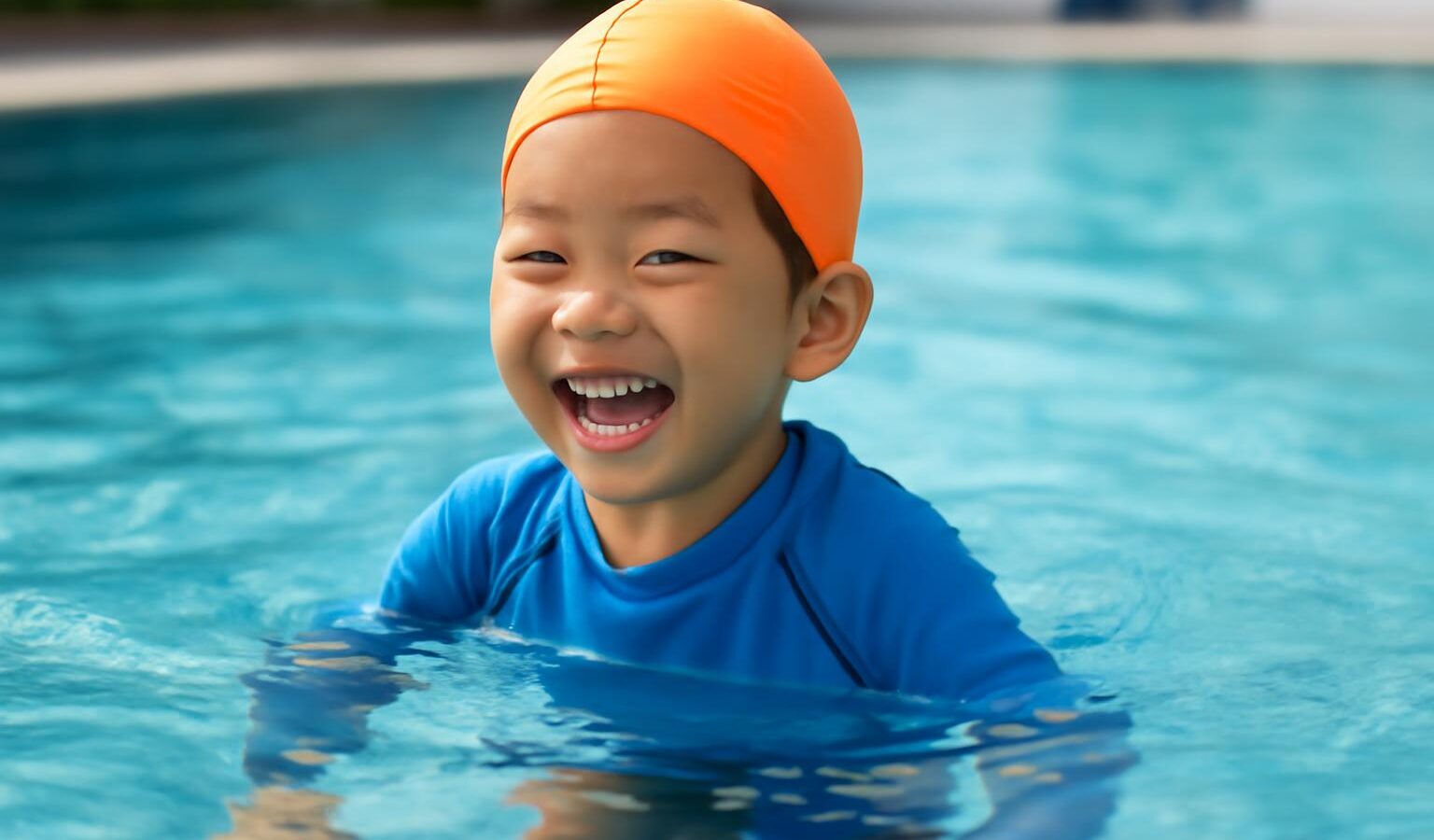
Learning to keep kids motivated swimming is often the difference between a child who quietly gives up and one who grows into a confident, happy swimmer for life — and the good news is that motivation is something parents and coaches can actively nurture.
SwimSafer (swimsafer.sg) is an independent private swim school that coaches and prepares students for the national SwimSafer syllabus. We are not the official programme and are not affiliated with SportSG, Singapore Aquatics or the National Water Safety Council. After coaching thousands of children, we know that keeping a child motivated matters just as much as teaching technique — a motivated child learns faster and stays safer in the water.
Why motivation matters so much
Swimming is a long journey, not a quick win. Children naturally hit moments when progress feels slow, the water feels cold, or they would simply rather be doing something else. A child who stays motivated keeps showing up, keeps practising and keeps improving. A child who loses heart may resist lessons, regress, or quit before they have learned enough to be safe. Protecting motivation is therefore protecting both progress and safety.
Celebrate effort and small wins
Children thrive on encouragement. Rather than focusing only on big milestones, notice and praise the small steps along the way — blowing bubbles, floating a little longer, putting their face in without fuss.
- Praise effort, not just results: “You tried so hard to reach the wall” matters more than “You won.” It teaches that persistence is what counts.
- Mark progress visibly: a simple sticker chart or a chat about what they managed today makes improvement feel real.
- Keep comparisons out: measure your child against their own past self, never against siblings or classmates.
Keep lessons positive and fun
For young children especially, fun is fuel. A child who enjoys the water will want to come back. Games, playful challenges and a warm, patient coach turn skill-building into something a child looks forward to rather than dreads. Skills learned through play tend to stick, because the child is relaxed and engaged rather than anxious.
Let some pool time be unstructured
Not every visit needs to be a formal lesson. Relaxed family swims — splashing, floating, playing — remind a child that the water is a place of joy, not just instruction. This keeps the overall relationship with swimming happy.
Set goals that feel achievable
Big, distant goals can feel overwhelming to a child. Break them into small, reachable steps so there is always a near win on the horizon. Instead of “learn freestyle”, aim for “kick to the middle of the pool” this week, then build from there. Each small success feeds the next, creating a sense of momentum that motivates far more than a faraway target.
Handle plateaus calmly
Every swimmer hits a plateau — a stretch where progress seems to stall. This is normal and not a sign of failure. How adults respond makes all the difference:
- Reassure rather than pressure: explain that plateaus are a natural part of learning and that improvement will come.
- Vary the focus: a coach can switch to a different skill or a fun challenge to refresh enthusiasm while the body consolidates.
- Avoid catastrophising: a frustrated parent can unintentionally pass anxiety on. Stay calm and patient, and the child usually follows.
Mind your own attitude
Children read their parents closely. If you treat swimming as a stressful chore or pile on pressure to perform, a child senses it. If you are relaxed, encouraging and genuinely pleased to see them in the water, that positivity is contagious. Your calm enthusiasm is one of the most powerful motivators you have.
Make it social where it helps
Some children are motivated by company — a sibling or friend learning alongside them, or simply seeing other children enjoying the pool. A small group of two or three of similar ability can add friendly energy and fun. Others prefer the calm focus of one-to-one. Knowing which suits your child helps you keep them engaged.
Match the coach to the child
A great coach is a motivation engine. The right coach reads a child’s mood, knows when to challenge and when to ease off, and makes a child feel safe, capable and proud. The wrong fit can quietly drain enthusiasm. If your child consistently dreads lessons, the coaching relationship — not the child — may need a look.
Watch for signs of waning motivation
Catching a dip early lets you act before a child wants to quit. Look out for:
- Reluctance or excuses before lessons that used to be welcomed.
- Going quiet or withdrawn in the water.
- Saying they are “no good” or comparing themselves unfavourably to others.
- A sudden loss of interest after a scare or a tough session.
A gentle chat, a lighter, more playful session, or a quiet word with the coach can usually turn things around.
How an experienced coach keeps children engaged
Keeping children motivated is a craft built over years. Coach Umesh “U.K.” Singh is an AUSTSWIM-accredited swim teacher, a certified Singapore Armed Forces life-saver and an open-water swim trainer who has coached since 1999 — over 25 years. He teaches kids, adults, babies, nervous beginners and learners with special needs, delivering flexible one-to-one and small-group lessons at public and condo pools island-wide. He blends fun, patience and clear goals so children stay enthusiastic through the inevitable ups and downs of learning.
Motivation and SwimSafer progress
A motivated child practises more willingly and absorbs skills faster, which naturally supports progress through the SwimSafer syllabus. But the stages are passed on competence, not on speed or pressure, so there is never a reason to rush a child at the cost of their enjoyment. Exact stage requirements can change over time, so treat them as approximate and confirm current details with the official SwimSafer syllabus or Singapore Aquatics.
Frequently asked questions
My child suddenly doesn’t want to go to swimming. What should I do?
Stay calm and find out why — it could be cold water, a scare, tiredness or boredom. A gentle chat, a lighter and more playful session, or a word with the coach usually helps. Avoid forcing or punishing, which can deepen reluctance.
How do I motivate a child who keeps comparing themselves to others?
Redirect the focus to their own progress. Celebrate what they managed today versus last week, and avoid comparisons with siblings or classmates. Praising effort rather than ranking builds lasting confidence.
Are rewards like sticker charts a good idea?
Used lightly, yes. Simple recognition of small wins makes progress feel real and encourages a child to keep going. Keep the emphasis on effort and enjoyment rather than turning every lesson into a contest for prizes.
What should I do when my child hits a plateau?
Reassure them that plateaus are normal and temporary. A coach can vary the focus to keep things fresh while the body consolidates. Patience and calm encouragement carry a child through far better than pressure.
Does my own attitude really affect my child’s motivation?
Very much. Children pick up on stress and pressure, and equally on calm enthusiasm. Treating swimming as something positive and enjoyable, rather than a chore, makes a real difference to how your child feels about it.
Will keeping my child motivated help them pass SwimSafer faster?
A motivated child practises more willingly and tends to progress more smoothly, but stages are passed on competence, not speed. Always confirm current stage requirements with the official SwimSafer syllabus or Singapore Aquatics.
Want a coach who keeps your child loving the water?
We make lessons positive, patient and fun so motivation lasts. WhatsApp Coach U.K. on +65 9021 1254 for a friendly chat. Explore our kids swimming lessons, our lessons for nervous beginners, or learn about the SwimSafer stages to plan your child’s journey.