
How to Improve Your Swimming Kick
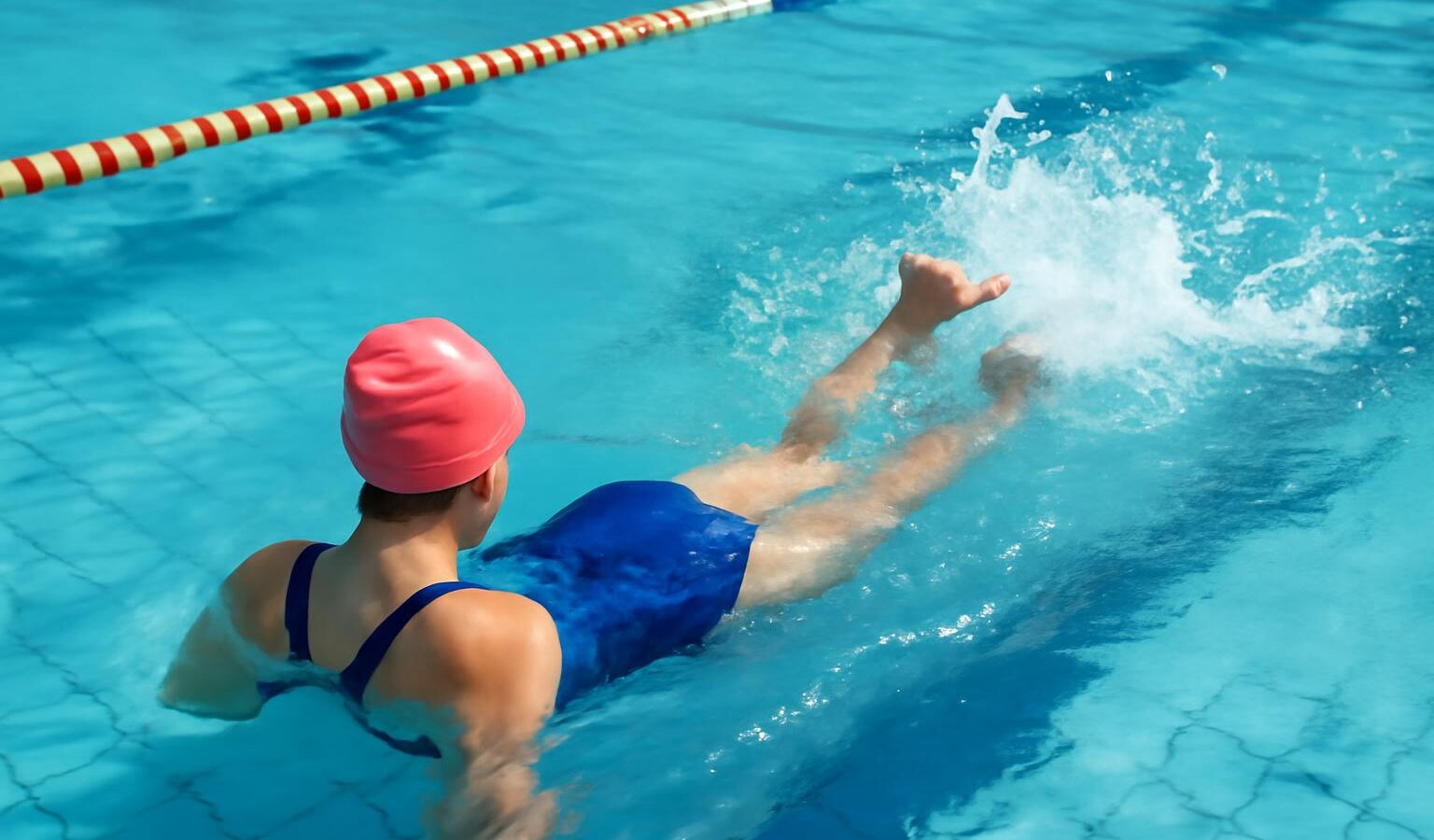
A strong, efficient kick is the engine that keeps your body high and moving in the water, yet it is one of the most misunderstood parts of a stroke. If you want to improve your swimming kick, the secret is rarely kicking harder. It is kicking smarter, from the hips, with relaxed ankles and good timing.
What a good kick actually does
Many swimmers think the kick is mostly about propulsion, but for most strokes its biggest job is balance and body position. A steady kick lifts the legs and hips towards the surface, keeping your body flat and streamlined so you slip through the water instead of ploughing through it. Propulsion is a bonus on top of that. When the kick fails, the legs sink, drag soars, and everything feels twice as hard.
The fundamentals of an effective flutter kick
The flutter kick used in front crawl and backstroke is the best place to start, and the principles carry over to other strokes too.
Kick from the hips, not the knees
This is the single biggest fix for most swimmers. The power should come from the large muscles around your hips and glutes, with the legs following in a long, whip-like motion. Bending too much at the knee turns your kick into a bicycle-pedalling action that creates drag and tires you out fast.
Keep your legs long and your knees soft
- Imagine your legs as long, slightly flexible whips driven from the hip.
- Allow a small, natural bend at the knee on the downbeat, then straighten.
- Avoid a stiff, locked-leg kick and avoid a deep, bent-knee kick. Aim for somewhere relaxed in between.
Relax your ankles and point your toes
Floppy, flexible ankles let your feet act like fins. Pointed toes (plantar-flexed feet) present a larger surface to push water backwards. Stiff, flexed feet act like brakes. Ankle flexibility varies from person to person, but gentle stretching over time helps.
Keep the kick compact
Your feet should make a relatively small splash and stay within the shadow of your body, roughly within the width of your torso. A huge, splashy kick that breaks the surface dramatically usually means wasted effort and lost streamline.
Drills to improve your kick
Targeted drills let you focus on the legs without juggling the whole stroke. Practise in water within your depth, and always with supervision if you are still building confidence.
Kickboard kicks
Hold a kickboard out in front, face down (or just resting your hands on it), and kick the length of the pool. Focus on driving from the hips and keeping the kick small and steady. This isolates the legs so you can feel what they are doing.
Vertical kicking
In deep water and only if you are a confident swimmer, stay upright with your arms crossed or held up, and tread using only a flutter kick to keep your head above water. This quickly builds leg strength and teaches a continuous, rhythmic kick. Do this drill under supervision.
Streamline kick on your back
Float on your back with arms by your sides (or extended overhead), and flutter kick. Watching your toes make small splashes helps you judge whether the kick is compact and coming from the hips. It also rewards a good, flat body position.
Side kicking
Lie on one side, bottom arm extended ahead, top arm resting along your body, and kick while balancing on your side. This builds the rotated body position used in front crawl and exposes any wobble in your kick.
Fins for feel, used sparingly
Short training fins can teach the sensation of a flowing, ankle-driven kick and build strength. Use them as a learning tool now and then, not a permanent aid, so you keep developing your natural kick.
Common kicking mistakes to fix
- Bending the knees too much: the classic pedalling kick. Think long legs driven from the hips.
- Stiff, flexed feet: point the toes and relax the ankles so your feet work like fins.
- Kicking too big: a wide, splashy kick wastes energy. Keep it compact.
- Holding tension: tense legs sink and tire quickly. Stay relaxed and rhythmic.
- Kicking out of time: in front crawl the kick should complement your arm pull and body roll, not fight it.
Build strength and flexibility out of the water
A better kick is partly fitness. Gentle ankle mobility work, calf and hip flexibility, and core strength all support a stronger, more efficient kick. Core stability in particular helps you hold a flat, connected body position so the power from your hips actually drives you forward rather than leaking away. Introduce any new exercise gradually and within your comfort, and stop if anything causes pain.
Different strokes, different kicks
Once your flutter kick is solid, remember that each stroke has its own kick. Breaststroke uses a whip kick with the feet turned out. Butterfly uses a dolphin kick driven by the core and hips with the legs together. Backstroke uses a flutter kick like front crawl but face-up. The hips-driven, relaxed-ankle principles still apply, but the patterns differ, and they are best learned step by step with feedback.
Why a coach makes the difference
The kick is genuinely hard to self-correct because you cannot see your own legs and small faults feel the same as good technique from the inside. An in-person coach watches from the deck and underwater, spots whether you are kicking from the knees, and gives you the one or two cues that unlock a smoother, faster kick. For safety, always practise within your depth and under supervision, especially deep-water and vertical drills. Coaching is the quickest, safest route to real improvement.
Frequently asked questions
Should I kick from my hips or my knees?
From your hips. The power should come from the large muscles around your hips and glutes, with your legs following in a long, whip-like motion. A small, natural knee bend is fine, but a deep bent-knee kick creates drag and wastes energy.
Why do my legs sink when I swim?
Sinking legs usually mean a weak or stiff kick, tense legs, or poor body position. A steady, relaxed kick driven from the hips lifts the legs towards the surface and flattens your body so you create less drag.
Do I need to point my toes when kicking?
Yes. Pointed toes with relaxed ankles let your feet act like fins and push more water backwards. Stiff, flexed feet act like brakes and slow you down. Gentle ankle flexibility work helps over time.
Are swimming fins good for improving my kick?
Used sparingly, yes. Fins teach the feeling of a flowing, ankle-driven kick and build leg strength. Treat them as an occasional training tool rather than a permanent aid, so you keep developing your natural kick.
How big should my kick be?
Compact. Your feet should stay roughly within the width of your body and make only a small splash. A huge, dramatic kick usually means wasted effort and lost streamline.
How long does it take to improve my kick?
With regular, focused practice many swimmers feel a noticeable difference within a few weeks. In-person coaching speeds it up because a coach can see faults you cannot feel and correct them quickly.
Call-to-action
Get a stronger kick with expert coaching
If your legs sink or your kick tires you out, targeted, in-person coaching is the fastest fix. Coach U.K. coaches swimmers of every level across Singapore, from children to adults refining their technique. WhatsApp Coach U.K. on +65 9021 1254 to book a session. You might also explore our kids swimming lessons, adult swimming lessons, or our full range of services.