
How to Improve Your Swimming Stamina
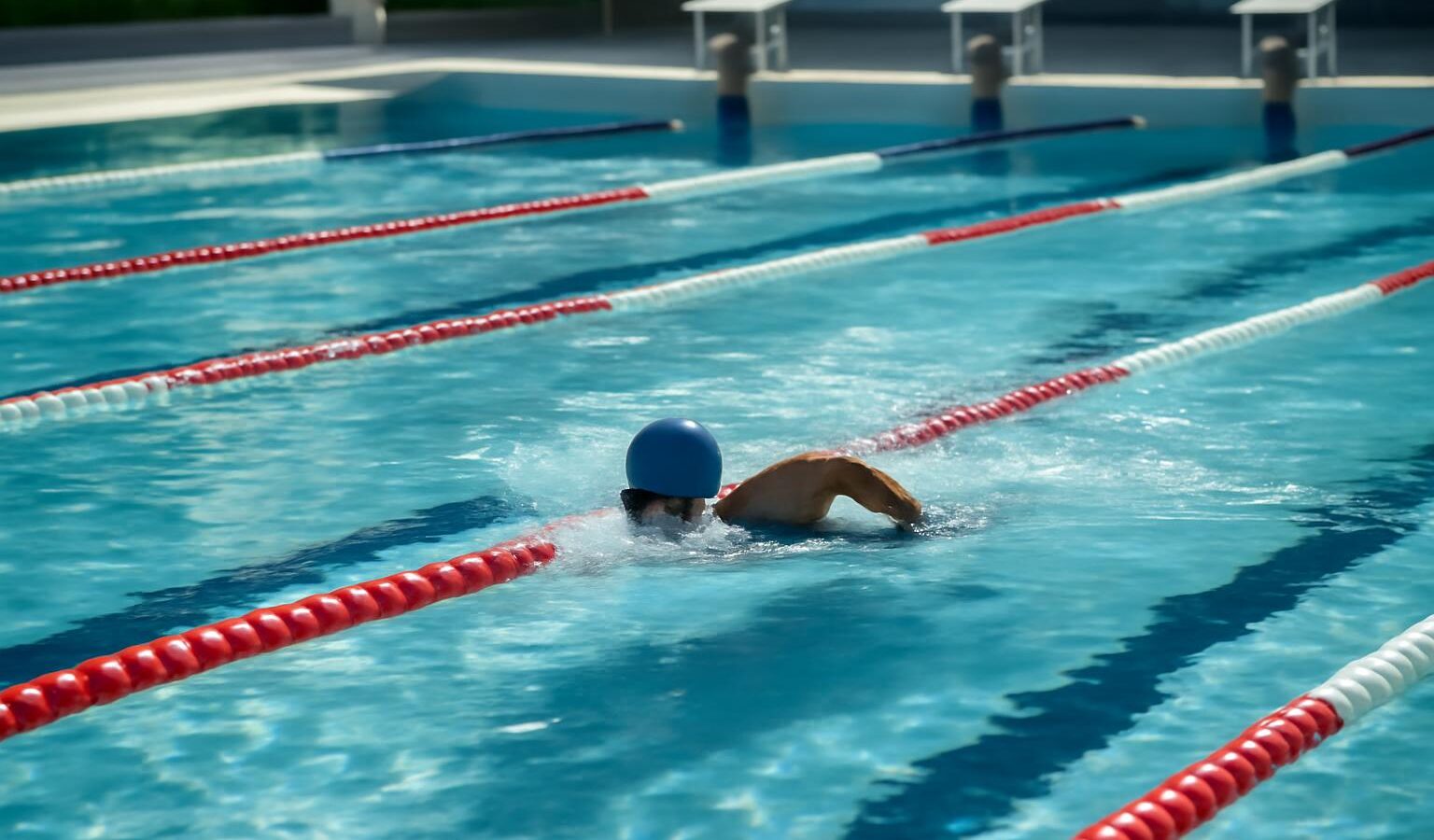
If you can manage one length but find yourself gasping at the wall, learning how to improve swimming stamina is usually less about raw fitness and more about efficiency, breathing and pacing. Most swimmers tire quickly not because they are unfit, but because they are fighting the water — and the good news is that endurance is very trainable once you fix the underlying causes.
Swimming stamina sits at the meeting point of three things: how well you move through the water, how well you supply your muscles with oxygen, and how sensibly you pace your effort. Improve any one of them and you will swim further; improve all three and you can go from struggling with a single length to comfortably swimming continuous laps. This guide breaks down each piece with practical drills and training ideas you can use at any public or condo pool.
Why you run out of breath so quickly
Before adding more laps, understand the usual culprits behind early fatigue:
- Holding your breath: many swimmers hold air in then try to inhale and exhale in the split second their mouth clears the water. Carbon dioxide builds up, and you feel breathless even with plenty of oxygen available.
- Poor body position: dropping the hips and legs creates drag, so every stroke costs far more energy than it should.
- Over-kicking: the legs are large, oxygen-hungry muscles. A frantic kick burns energy fast for little extra speed.
- Going out too hard: sprinting the first length leaves nothing in the tank for the rest of the swim.
Fix these and stamina improves dramatically — often before you have done any “fitness” training at all.
Breathe out, not just in
The single biggest stamina fix is continuous exhalation. While your face is in the water, breathe out steadily through your nose and mouth so that when you turn to breathe, you only have to inhale. This prevents the carbon-dioxide build-up that makes you feel panicked and out of breath.
Practise rhythmic breathing — for example breathing every third stroke in freestyle — so your breathing becomes automatic rather than something you snatch when you feel desperate. A relaxed, regular breathing pattern is the foundation of all swimming endurance.
Improve your efficiency before your fitness
The most economical swimmers cover the most distance per stroke. To improve swimming stamina, lower your stroke count by gliding and stretching, not by thrashing harder.
Streamline your body position
Keep your body long and flat, eyes looking down and slightly forward, hips high near the surface. Pressing your chest gently down helps lift the legs. A horizontal body slices through the water; a tilted one ploughs through it.
Lengthen each stroke
Reach fully forward on each arm and finish the stroke past your hip. Counting your strokes per length and trying to reduce the number by one or two is a brilliant, measurable way to build efficiency.
Use a gentle, steady kick
For distance swimming, a relaxed two-beat or light flutter kick conserves oxygen. Save the powerful kick for sprints.
Build endurance with smart training sets
Once technique is solid, structured sets build the aerobic base that lets you keep going. Rather than simply swimming until you stop, use intervals:
- Short rest intervals: swim 4 to 8 lengths, rest 15 to 30 seconds, repeat. Short rests keep your heart rate up and train your body to recover quickly.
- Pyramids: swim 1 length, then 2, 3, 2, 1, resting briefly between each, gradually building the longest swim as you improve.
- Negative splits: swim the second half of a set faster than the first. This trains pacing discipline so you stop going out too hard.
- Drill and swim: alternate a length of technique drill with a length of full stroke, so good form carries into your continuous swimming.
Increase your total distance gradually — a rough guideline is no more than about ten per cent more per week — to build stamina without strain or injury.
Don’t forget recovery, hydration and consistency
Stamina is built between sessions as much as during them. Swim regularly — two or three sessions a week beats one long heroic effort. Stay hydrated even though you are surrounded by water, because you still sweat and lose fluid. And give your body rest days to adapt; progress happens during recovery.
When a coach makes the difference
It is genuinely hard to see your own stroke faults from inside the water. A coach watching from the deck can spot the dropped hip, the snatched breath or the crossover that is quietly draining your energy. Coach U.K. is AUSTSWIM-accredited, an open-water swim trainer and has coached adults since 1999, helping swimmers convert wasted effort into smooth, sustainable distance. Even a few sessions of technique coaching can transform your endurance more than weeks of solo laps. As an independent swim school we also coach and prepare students for the SwimSafer syllabus, though we are not the official programme.
Frequently asked questions
How long does it take to improve swimming stamina?
Technique-driven gains can appear within a session or two once your breathing and body position improve. True aerobic endurance builds over several weeks of consistent, two-to-three-times-weekly swimming. The key is regularity rather than occasional long sessions.
Why do I get tired after just one length?
Almost always it is breath-holding combined with a low, draggy body position. You feel breathless because carbon dioxide is building up, and you are working far harder than necessary to stay afloat. Fixing exhalation and streamlining usually solves it quickly.
Is it better to swim faster or further to build stamina?
Both have a place, but for endurance, controlled distance with short rest intervals is most effective. Going flat-out every length teaches your body to fatigue; steady, well-paced sets teach it to keep going. Mix in some faster efforts once your base is solid.
Which stroke is best for building stamina?
Freestyle (front crawl) is the most efficient for distance for most people, but breaststroke is gentler and easier to pace if freestyle breathing still feels rushed. Use whichever lets you maintain a relaxed, continuous rhythm while you build fitness.
Do I need to do gym work to swim further?
Not necessarily. Most stamina gains come from in-water technique, breathing and aerobic training. General fitness and core strength can help, but they are a supplement to swimming, not a substitute for time in the pool.
How often should I swim to see progress?
Two to three sessions a week is a realistic, effective target for most adults. This is frequent enough to build aerobic fitness and reinforce technique while allowing recovery days in between. Consistency over months is what delivers lasting stamina.
Ready to swim further with less effort?
If you want to stop gasping at the wall and start swimming relaxed, continuous laps, WhatsApp Coach U.K. on +65 9021 1254 for private or small-group coaching at a public or condo pool island-wide. Explore our adult swimming lessons and water survival and life-saving skills, or get in touch via our contact page to find a time that suits you.