
How to Glide in the Water
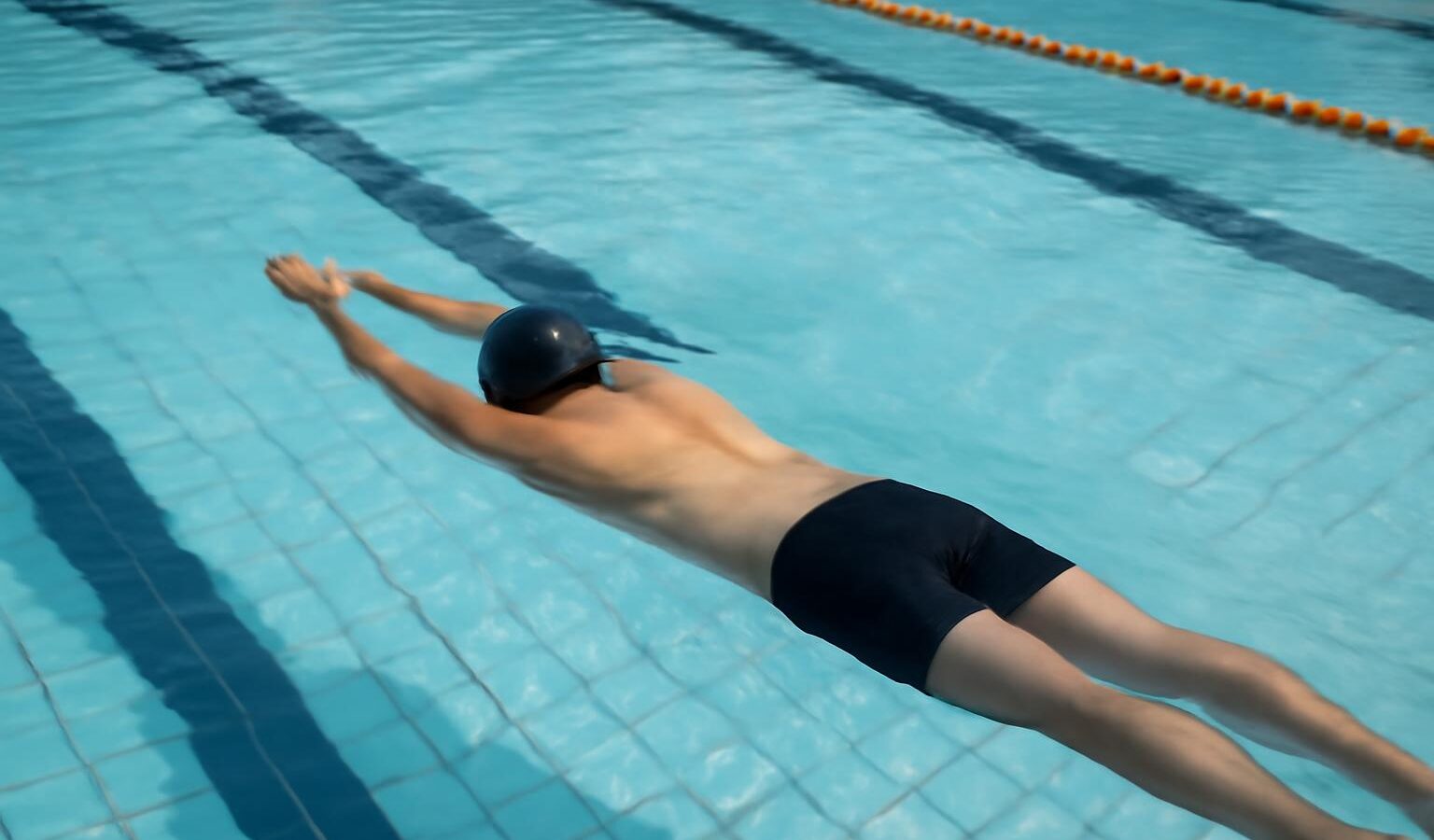
Before you master any stroke, you need to learn how to glide. Knowing how to glide in swimming teaches your body to be long, balanced and streamlined, so you slice through the water with the least possible drag. It is the foundation that makes front crawl, breaststroke and every push-off feel effortless.
What gliding is and why it matters
A glide is the moment you move through the water in a still, streamlined position without actively swimming, carrying the momentum from a push-off or a stroke. It might look like doing nothing, but a good glide is the difference between a smooth, efficient swimmer and one who fights the water every metre.
Gliding matters because water is roughly 800 times denser than air, so drag is your biggest enemy. The longer and tighter your body line, the less resistance you create and the further each push or pull carries you. Every competitive turn, every push off the wall, and the start of every stroke relies on a clean glide.
The streamline position: the heart of a good glide
A great glide is really a great streamline. Here is how to build it, piece by piece.
Stack your arms overhead
- Stretch both arms straight above your head, in line with your body.
- Place one hand over the back of the other and squeeze your arms in.
- Hug your upper arms against your ears to make the narrowest possible shape.
Make your body long and flat
Reach forward through your fingertips and lengthen from hands to toes as if someone is gently pulling you from both ends. Keep your body flat and just below the surface, with hips and legs lifted rather than sinking.
Hold a strong, quiet core
Engage your tummy muscles lightly to stop your body sagging or wobbling. A connected core keeps the whole line rigid so your momentum is not wasted. Point your toes to finish the streamline from head to foot.
Keep your head neutral
Tuck your head between your arms and look down (or slightly forward), keeping it in line with your spine. Lifting the head drops the hips and ruins the glide.
Breathing and relaxation while gliding
A glide on your front means your face is in the water, so calm breathing is essential. Take a comfortable breath before you push off, then let a slow, steady stream of bubbles out through your nose while you glide. This stops water going up your nose and keeps you relaxed. Tension is the enemy of a good glide. The more relaxed you are, the longer and smoother you travel.
Simple drills to practise gliding
Always practise in water within your depth and, if you are still building confidence, with someone supervising. Start in the shallow end where you can easily stand up.
1. Push and glide from standing
- Stand in shallow water, take a breath and set your streamline arms.
- Lower into the water, place one foot against the pool floor or wall and push off gently.
- Hold the streamline and glide as far as the momentum carries you, then stand up.
Repeat, trying to travel a little further each time by tightening your streamline rather than pushing harder.
2. Push off the wall
Once comfortable, push off the wall with both feet for more momentum. This is the exact skill you use after every turn, so it is worth perfecting. Aim for a long, quiet glide with no splashing.
3. Glide with a kick
When your streamline is solid, add a gentle flutter kick towards the end of the glide to extend it and bridge into swimming. Keep the kick small and from the hips so you do not break your body line.
4. Streamline on your back
Practise the same long, tight shape floating on your back. This builds the backstroke push-off and helps nervous swimmers get comfortable with a face-up streamline where breathing is easier.
Common gliding mistakes
- Lifting the head: the most common fault. It drops your hips and creates drag. Keep your head tucked and neutral.
- Loose, separated arms: arms that drift apart widen your profile. Squeeze them together with hands stacked.
- A sagging middle: a soft core lets the body bend and slow. Hold a light, firm tummy.
- Holding your breath and tensing: tension shortens the glide. Breathe out gently and stay loose.
- Pushing off too steeply: aim to glide just under the surface, not down towards the bottom or up out of the water.
How gliding connects to your strokes
Every stroke contains a glide. In breaststroke there is a distinct glide phase after each kick where you stretch and stream. In front crawl, the front-quadrant timing relies on reaching and gliding through the leading arm. Push-offs from the wall and dive entries are pure streamline. Master the glide and these elements suddenly make sense, because your body already knows how to be long and efficient.
Safety and the value of in-person coaching
Gliding is a calm, low-effort skill, but it still belongs in water within your depth and under supervision while you learn, never alone. A coach standing on the deck can see whether your head is lifting, your arms are squeezing, or your hips are dropping, and give you the small cue that transforms your streamline. This kind of hands-on, in-person feedback is hard to replicate on your own, and it makes learning faster and safer. We build the glide early with beginners of all ages because everything else flows from it.
Frequently asked questions
What is a glide in swimming?
A glide is moving through the water in a still, streamlined position without actively swimming, carrying momentum from a push-off or stroke. It teaches your body to be long and low-drag, which is the foundation of every efficient stroke.
Why can’t I glide very far?
Usually because of drag from a lifted head, separated arms, a sagging core or tension. Tighten your streamline by squeezing your arms over your head, tucking your head, holding a firm core and staying relaxed, and you will travel much further.
Should I breathe out while gliding?
Yes, if your face is in the water. Take a breath before you push off, then release a slow, steady stream of bubbles through your nose. This keeps water out of your nose and helps you stay relaxed and streamlined.
How do I stop my legs sinking when I glide?
Keep your head tucked and neutral, hold a firm core, and reach long through your fingertips. Lifting the head is the usual cause of sinking hips and legs. A gentle kick at the end of the glide also helps lift the legs.
Is gliding important if I just want to swim front crawl?
Very. Front crawl relies on reaching and gliding through the leading arm, and every push-off from the wall is a streamline. A strong glide makes front crawl smoother and more efficient.
How long does it take to learn to glide well?
Many beginners glide reasonably well within a few sessions once they understand streamline and relax. In-person coaching speeds it up because a coach can correct small faults you cannot feel on your own.
Call-to-action
Build your foundation with expert coaching
A clean glide makes every stroke easier, and it is best learned with patient, in-person guidance. Coach U.K. teaches gliding and streamlining to children, adults and nervous beginners right across Singapore. WhatsApp Coach U.K. on +65 9021 1254 to arrange a lesson. You can also read about our lessons for nervous beginners, our kids swimming lessons, or the SwimSafer stages we prepare students for.