
How to Swim Butterfly Stroke
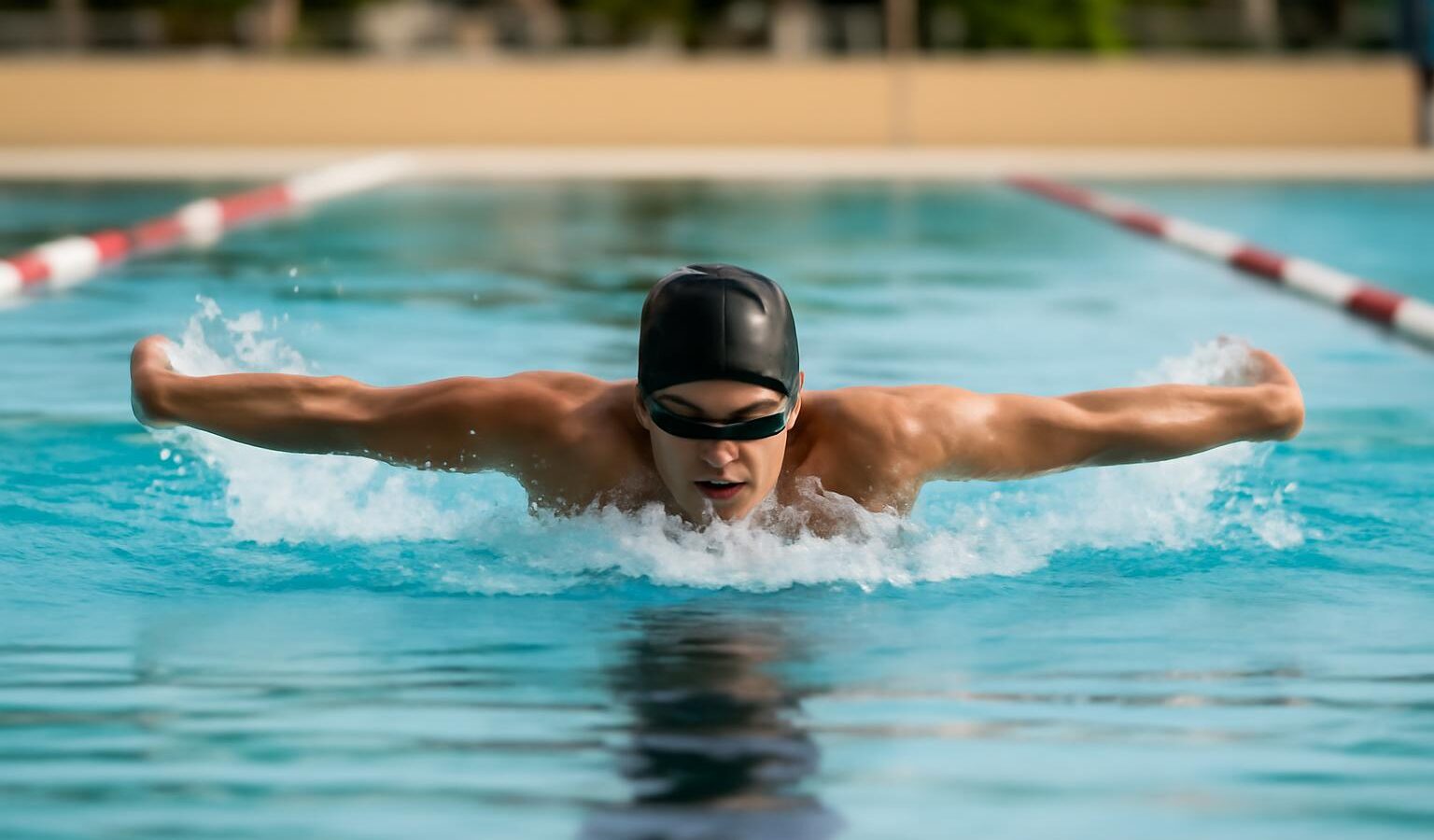
Figuring out how to swim butterfly can feel daunting, but the stroke is far more about rhythm than raw strength. Once you feel the wave-like undulation of the dolphin kick connect to the arm pull, butterfly stops being exhausting and starts being exhilarating.
Butterfly has a fearsome reputation as the hardest of the four competitive strokes, and there is some truth to that. It demands timing, core strength and a relaxed shoulder, and it punishes poor technique by leaving you breathless. But it is also the most rewarding stroke to swim well, and it is genuinely learnable when you build it from the ground up rather than thrashing through it. This guide breaks butterfly into its parts, the body wave, the kick, the pull, the breath, then shows you how to assemble them.
A quick independence note
In fairness to everyone, a quick clarification: we are an independent private swim school. We are not the official SwimSafer programme and we are not affiliated with SportSG, Singapore Aquatics or the National Water Safety Council. We coach and prepare students for the SwimSafer syllabus, and butterfly tends to come later, once the foundation strokes are secure.
Are you ready for butterfly?
Butterfly sits on top of solid fundamentals. Before attempting it you should be comfortable in deep water, able to hold a strong streamline, and reasonably confident with freestyle and breath control. Trying butterfly before those basics are in place usually produces frustration and tired, sloppy technique. There is no shame in spending more time on the foundations first; every strong butterfly swimmer started there.
A clear safety word, too. Butterfly is tiring, and fatigue in deeper water is exactly when accidents happen. Practise in a pool where you can rest at the wall, take plenty of breaks, and ideally learn under the eye of a qualified coach. An article can describe the shapes, but it cannot watch your timing or keep you safe when you are gasping, which is precisely why in-person coaching is so valuable for this stroke.
The body wave (the foundation)
Butterfly begins not with the arms but with a continuous undulation that travels through the whole body, head to chest to hips to legs, like a wave passing along a rope. Picture pressing your chest down into the water and letting that pressure roll through to your hips. Get this wave relaxed and rhythmic first, because the kick and arms simply attach to it. A good starting drill is a gentle vertical or horizontal undulation with arms by your sides, just feeling the motion.
The dolphin kick
Butterfly uses a dolphin kick, where both legs move together rather than alternating. Keep your legs together, ankles relaxed and feet pointed, and drive the kick from your core and hips rather than bending hard at the knees. There are typically two kicks per arm cycle: a stronger kick as the hands enter the water, and a second kick as the hands finish the pull. Practise the dolphin kick on your front with arms extended, or on your side, feeling the wave move from hips to toes.
The butterfly arm pull
Both arms move together and symmetrically. The sequence:
- Entry: the hands enter the water about shoulder-width apart, fingertips first, reaching forward.
- Catch and pull: press out, then sweep the hands down and inward in a keyhole or hourglass shape, accelerating through to the hips.
- Release: as the hands pass the hips, let them exit the water.
- Recovery: swing both arms forward over the surface in a low, relaxed arc, leading with the elbows and letting momentum carry them, rather than muscling them around.
The trick is to keep the recovery relaxed. Tense, high arms drain your energy fast.
Breathing and timing
This is where butterfly lives or dies. The breath happens as your hands finish the pull and your chest rises naturally; you push your chin forward (not high) to take a quick breath, then drop your face back in as your arms recover forward. The classic timing is: kick as the hands enter, pull, kick again as the hands release, breathe, recover, repeat. Many coaches teach swimmers to breathe every second stroke at first to keep the rhythm flat and relaxed. The single biggest mistake is lifting the head too high and too early, which buries the hips and stalls the stroke. Keep the breath low and quick, and let the body wave do the lifting.
How butterfly fits the bigger picture
Butterfly is not usually a starting point on a learn-to-swim journey; it tends to come once a swimmer is strong and confident. The SwimSafer syllabus focuses heavily on water safety, survival and core strokes, and requirements can change over time, so we keep any figures approximate and recommend confirming current details with the official SwimSafer syllabus or Singapore Aquatics. Butterfly is often a goal for swimmers who already enjoy the water and want a new challenge.
Common butterfly mistakes to fix
- No body wave: trying to power butterfly with the arms alone is exhausting. Build the undulation first.
- Lifting the head too high: a big head-lift sinks the hips. Breathe low, chin forward.
- Bending the knees too much: the dolphin kick comes from the hips, not a bicycle-style knee bend.
- Forcing the recovery: let momentum swing the arms over; do not muscle them.
Frequently asked questions
Is butterfly the hardest stroke to learn?
It is widely considered the most demanding because it needs good timing, core strength and confident breathing all at once. That said, broken into drills and built on solid fundamentals, it is absolutely learnable.
Do I need to be very strong to swim butterfly?
Less than people think. Good timing and a relaxed body wave matter more than brute strength. Many swimmers who struggle with butterfly are working too hard, not too little.
When should a child learn butterfly?
Usually once they are confident in deep water and have solid freestyle and breath control. There is no rush, and forcing butterfly too early tends to build tense, inefficient habits.
Why am I so out of breath swimming butterfly?
Often because of poor timing, lifting the head too high, or muscling the arm recovery. Smoothing out the body wave and keeping the breath low and quick makes butterfly far less tiring.
Can adults learn butterfly?
Yes. Plenty of adult swimmers take on butterfly as a fitness and skill challenge once their other strokes are comfortable. Private coaching makes the steep learning curve much gentler.
How long does it take to learn butterfly?
It varies widely with starting fitness, technique and practice, so we avoid fixed promises. After watching you swim, Coach U.K. can give you a realistic, honest estimate.
Ready to take on butterfly with a coach?
Butterfly is far easier to learn with someone watching your timing and catching faults before they tire you out. WhatsApp Coach U.K. on +65 9021 1254 for a friendly chat about your goals, timings and the right pool. While you are at it, explore our kids swimming lessons, our adult swimming lessons and the full SwimSafer stages explained roadmap.