
How to Breathe While Swimming
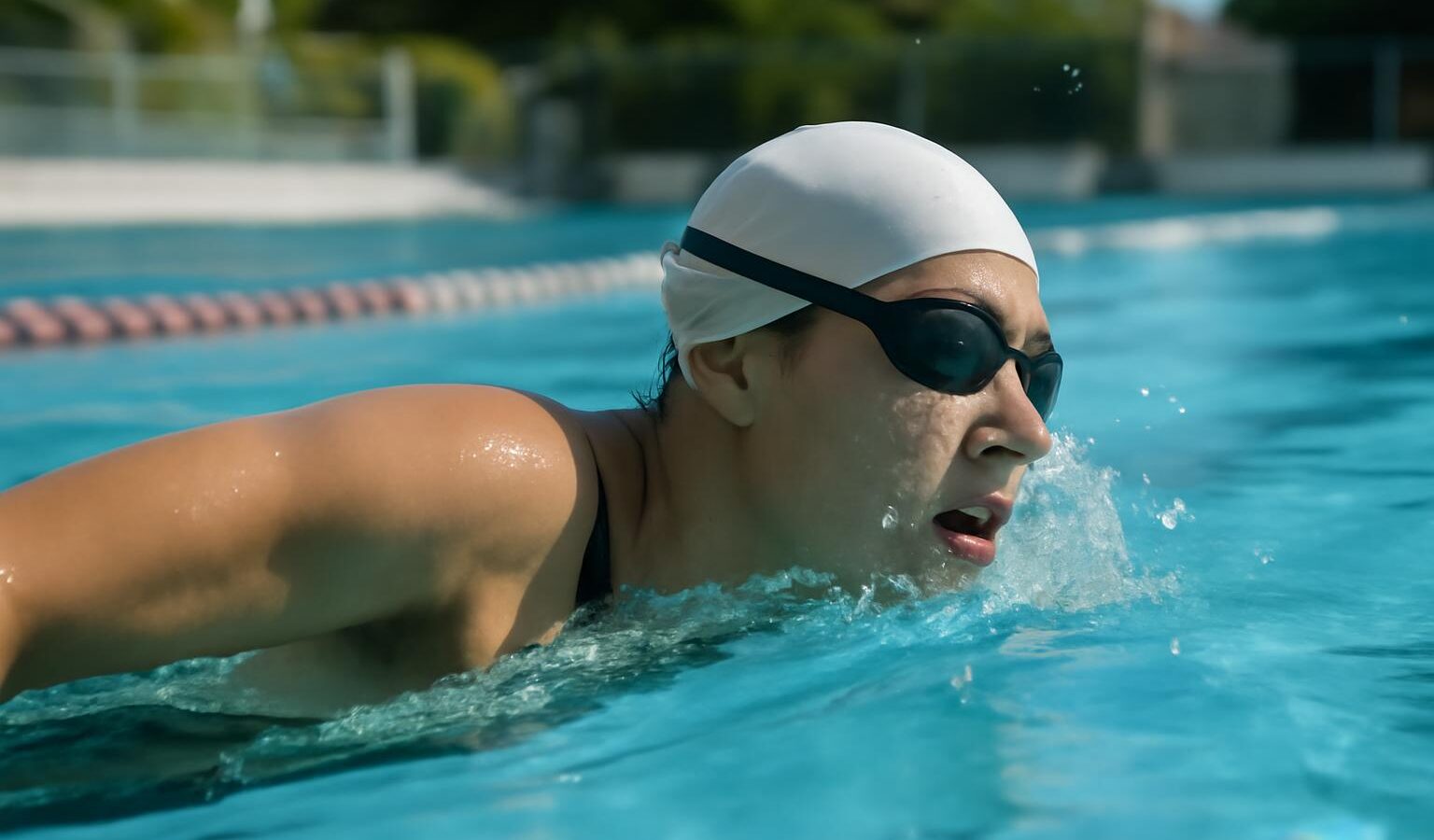
If you can only sort out one thing in the water, make it this: learning how to breathe while swimming is the single skill that separates a relaxed swimmer from a breathless, panicky one. Master the rhythm of exhaling underwater and the rest of the stroke falls into place.
Almost every struggling swimmer we meet in Singapore has the same root problem, and it is rarely the arms or the legs. It is breathing. People hold their breath, lift their head in a panic, run out of air halfway down the pool and tense up. The good news is that breathing is a learnable, teachable skill with a clear logic to it. In this guide we will cover the golden rule of breathing, how it works in each stroke, the drills that fix it, and the mistakes that quietly sabotage everyone.
A quick independence note
For fairness and clarity: we are an independent private swim school. We are not the official SwimSafer programme and we are not affiliated with SportSG, Singapore Aquatics or the National Water Safety Council. We coach and prepare students for the SwimSafer syllabus, where calm, controlled breathing underpins almost every skill.
The golden rule: breathe out underwater
Here is the idea that fixes most breathing problems in one go. You should be breathing out, slowly and continuously, the whole time your face is in the water. Then, when you turn to breathe, your lungs are already empty and you only need to breathe in. Quick and easy.
The mistake almost everyone makes is holding their breath underwater, then trying to do two things at once when they turn, breathe out and breathe in, in a fraction of a second. It never works. The breath becomes rushed and incomplete, carbon dioxide builds up, and that creates the suffocating, panicky feeling that makes people lift their heads and stop. Exhale underwater and that panic disappears.
Start out of your depth: the bubble drill
Before you swim a stroke, get comfortable exhaling underwater while standing in shallow water. Take a breath, lower your face in, and hum or blow a steady stream of bubbles out through your nose and mouth until your lungs are nearly empty, then lift up and breathe in. Repeat until it feels automatic. This simple “bobbing and bubbling” drill is the foundation of all swimming breathing, and it is well worth doing patiently.
A safety note: practise breathing drills in shallow water where you can stand, or with a qualified coach beside you. Breathing is also closely tied to water confidence, and for genuinely anxious swimmers, having an experienced coach in the water makes an enormous difference that no article can replace.
Breathing in each stroke
Freestyle (front crawl)
This is the stroke where breathing technique matters most. As one arm pulls, you rotate your body and turn your head to the side, keeping one goggle in the water and one ear resting on your arm, rather than lifting the head up and forward. You take a quick breath in the little pocket of air your body creates, then turn your face back down and exhale. Turning rather than lifting is the key, because lifting the head sinks the hips and ruins everything.
Bilateral breathing
Many swimmers benefit from bilateral breathing, taking a breath on alternating sides, for example every third arm stroke. This balances your stroke, keeps you swimming straight and is useful in open water where waves may come from one side. It feels awkward at first, but it is well worth practising.
Breaststroke and butterfly
In breaststroke, the breath is easy and rhythmic: your head rises naturally as your hands sweep in, you breathe in, then your face drops back as you glide and you exhale. In butterfly, the breath comes as the hands finish the pull and the chest rises; the trick is to keep the breath low and quick rather than lifting the head high.
Backstroke
Backstroke is the gift here, because your face never goes underwater. Even so, you should breathe in a steady rhythm, for instance in on one arm and out on the other, so you do not unconsciously hold your breath and tense up.
Drills that build great breathing
- Bobbing and bubbling: the standing exhale-underwater drill described above.
- Kicking with a board, breathing to the side: hold a kickboard and practise the freestyle head-turn and breath without the complication of the arms.
- Counting strokes: breathe every third stroke to groove a steady rhythm and bilateral breathing.
- Humming out: humming as you exhale guarantees a continuous bubble stream and stops breath-holding.
Why breathing matters for water safety
Calm breathing is not just about swimming faster. It is central to staying safe, floating to rest, and managing the moment if you ever tire or get into difficulty. The SwimSafer syllabus weaves breath control and water confidence through its stages, and as criteria can change over time we recommend confirming current details with the official SwimSafer syllabus or Singapore Aquatics. A swimmer who breathes calmly is a safer swimmer, full stop.
Common breathing mistakes to fix
- Holding your breath underwater: the number one fault. Exhale slowly and continuously.
- Lifting the head forward to breathe: in freestyle, turn the head to the side instead.
- Breathing too late: by the time you feel desperate, it is already a rush. Breathe to a steady rhythm.
- Tensing up: a tense body uses more oxygen. Stay relaxed and let the rhythm carry you.
Frequently asked questions
Should I breathe out through my nose or mouth?
Either works, and many swimmers use both. The important thing is a steady, continuous exhale underwater. Breathing out through the nose can also help prevent water going up it, which some swimmers find more comfortable.
Why do I run out of breath so quickly when swimming?
Almost always because you are holding your breath underwater instead of exhaling. When you breathe out continuously, you only need to breathe in when you turn, which feels far easier and less panicky.
How do I stop water going up my nose?
Breathe out gently through your nose whenever your face is in the water; the outgoing air keeps water from going up. Some swimmers also use a nose clip while they build the habit.
What is bilateral breathing and do I need it?
Bilateral breathing means taking a breath on alternating sides, such as every third stroke. It is not compulsory, but it balances your stroke and is genuinely useful in open water, so it is worth learning.
How often should I breathe in freestyle?
There is no single right answer; every two or three strokes is common. The best rhythm keeps you relaxed and well-oxygenated, and a coach can help you find yours.
My child panics when they put their face in the water. What should we do?
Start with gentle bubble-blowing games in shallow water and never force it. Building breath confidence patiently is exactly the kind of thing Coach U.K. specialises in with nervous young beginners.
Ready to fix your breathing for good?
Breathing is the skill that unlocks everything else, and it is far easier to learn with a calm, experienced coach beside you. WhatsApp Coach U.K. on +65 9021 1254 for a friendly chat about goals, timings and the right pool. While you decide, explore our lessons for nervous beginners, our adult swimming lessons and the full SwimSafer stages explained guide.