
How Swimming Benefits Mental Health
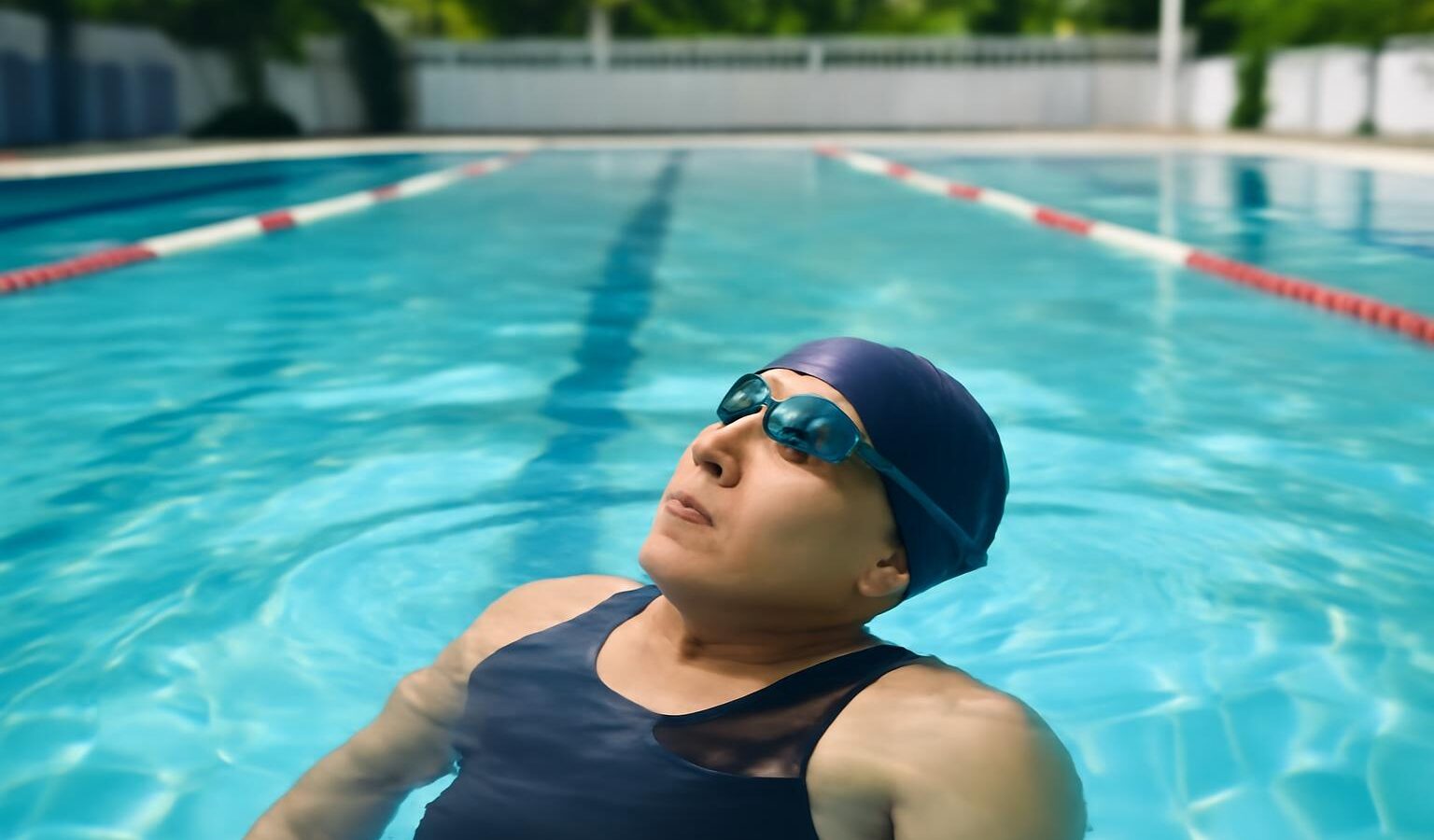
The connection between swimming and mental health is something we see every week at the poolside: learners arrive tense and distracted, and leave looking lighter, calmer and quietly proud of themselves. Swimming is one of the few activities that works the body and settles the mind at the same time.
Most people take up swimming for fitness, safety or to keep up with the children. Yet many of our adult learners tell Coach U.K. that the biggest surprise is how much better they feel mentally — less anxious, more rested and better able to switch off after a long day. This guide explains why that happens, what the water does for your mood, and how to begin in a way that feels safe rather than stressful.
Why swimming is so good for the mind
Swimming combines several things that are individually good for mental wellbeing and rarely come together in one activity. You get rhythmic movement, controlled breathing, full-body exercise and the soothing sensory effect of being in water. The result is an activity that can feel almost meditative once the basic skills are in place.
Rhythmic, repetitive movement calms the nervous system
Lengths of freestyle or breaststroke are repetitive by nature. That rhythm — stroke, breathe, glide, stroke — gives the mind something simple and steady to focus on. Many swimmers describe falling into a kind of moving meditation where racing thoughts slow down and the to-do list fades for a while.
Controlled breathing trains you to stay calm
Swimming forces you to breathe in a deliberate, paced way rather than holding your breath or panting. This slow, controlled breathing is closely related to the breathing techniques used to manage anxiety and stress. Learning to breathe steadily in the water is a skill that often carries over to staying calmer on land.
Exercise lifts mood naturally
Like any aerobic exercise, swimming releases the brain chemicals associated with a better mood and a sense of wellbeing. Because the water supports your weight, it is a low-impact way to get that benefit — gentle on the joints, which makes it accessible for people who find running or gym work uncomfortable.
Water itself is soothing
There is something restorative about being in water. The feeling of weightlessness, the muffled quiet beneath the surface and the cool sensation on the skin all help the body relax. For many people, simply being in a pool is a reset button after a stressful week.
The everyday mental-health benefits swimmers notice
- Lower stress: a swim is a genuine break from screens, notifications and demands — time that is just for you.
- Better sleep: regular swimming often helps people fall asleep faster and sleep more deeply.
- More confidence: mastering a new skill, or finally conquering a long-held fear of water, is a powerful boost to self-esteem.
- A sense of routine: a regular weekly swim provides structure, which is steadying for mental health.
- Social connection: small-group or family swimming brings gentle, pressure-free social contact.
- Time to think — or not think: some use their swim to mull things over, others to empty their head completely.
Swimming for anxiety and low mood
For people who experience anxiety, the idea of swimming can feel intimidating at first, especially if they are nervous in water. The encouraging news is that learning to swim in a calm, patient environment can itself be deeply confidence-building. Overcoming a fear you have carried for years tends to leave you feeling capable in other areas of life too.
We work with many nervous adult beginners, and the approach is always gentle and unhurried — never throwing anyone in at the deep end, literally or figuratively. If you would like a supportive starting point, our lessons for nervous beginners are designed exactly for this, and our adult swimming lessons move entirely at your pace.
Swimming is not a substitute for professional mental-health care. If you are struggling, please speak to your doctor or a qualified professional. Think of swimming as one healthy, supportive habit alongside any care you receive — a tool, not a cure.
How to get started in a way that supports your wellbeing
Begin gently
You do not need to swim hard or fast to feel the mental benefits. Easy, relaxed lengths or even gentle water walking and floating can be enough at first. Comfort comes before performance.
Make it regular, not intense
A calm 30-minute swim once or twice a week, done consistently, does far more for your mind than an occasional exhausting session. Consistency is what builds the routine and the benefits.
Learn proper technique
Struggling and gulping water is stressful, not soothing. When your stroke and breathing feel comfortable, swimming becomes the relaxing experience it is meant to be — which is exactly where good coaching helps.
Always swim safely and supervised
Swim where there is lifeguard cover or a qualified instructor present, especially while you are still building skill and confidence. Feeling safe is essential to feeling calm in the water.
Frequently asked questions
Can swimming really help with stress and anxiety?
Many swimmers find it genuinely helps. The combination of rhythmic movement, controlled breathing and time away from daily pressures can calm the nervous system and lift mood. It is not a replacement for professional support, but it is a healthy habit that complements it well.
How often should I swim for mental-health benefits?
There is no fixed rule, but a relaxed swim once or twice a week, done consistently, is a realistic and effective starting point for most people. Regularity matters more than intensity.
I am nervous in water — can I still benefit?
Absolutely. In fact, gently overcoming that nervousness with patient coaching is itself a big confidence boost. Lessons designed for nervous beginners let you progress slowly in a calm, supportive setting.
Do I need to swim fast or do lots of lengths?
No. Easy, relaxed swimming — or even gentle floating and water walking — delivers the calming benefits. You are not training for a race; you are looking after your wellbeing.
Is swimming better than other exercise for mental health?
All exercise helps mood, but swimming is unusual in combining aerobic movement with controlled breathing and the soothing effect of water, all while being gentle on the joints. Many people find it uniquely relaxing.
Can children get mental-health benefits from swimming too?
Yes. Swimming helps children burn energy, build confidence and sleep better, and the sense of achievement from learning new skills supports their emotional wellbeing.
Get started with calm, supportive coaching
If you would like to feel the mind-and-body benefits of swimming in a patient, judgement-free setting, WhatsApp Coach U.K. on +65 9021 1254 for a friendly chat about where to begin. As an independent swim school, we coach learners of every age and confidence level island-wide. Explore our adult swimming lessons, our gentle programme for nervous beginners, or browse all of our services to find the right fit for you.