
Helping Your Child Overcome Fear of Deep Water
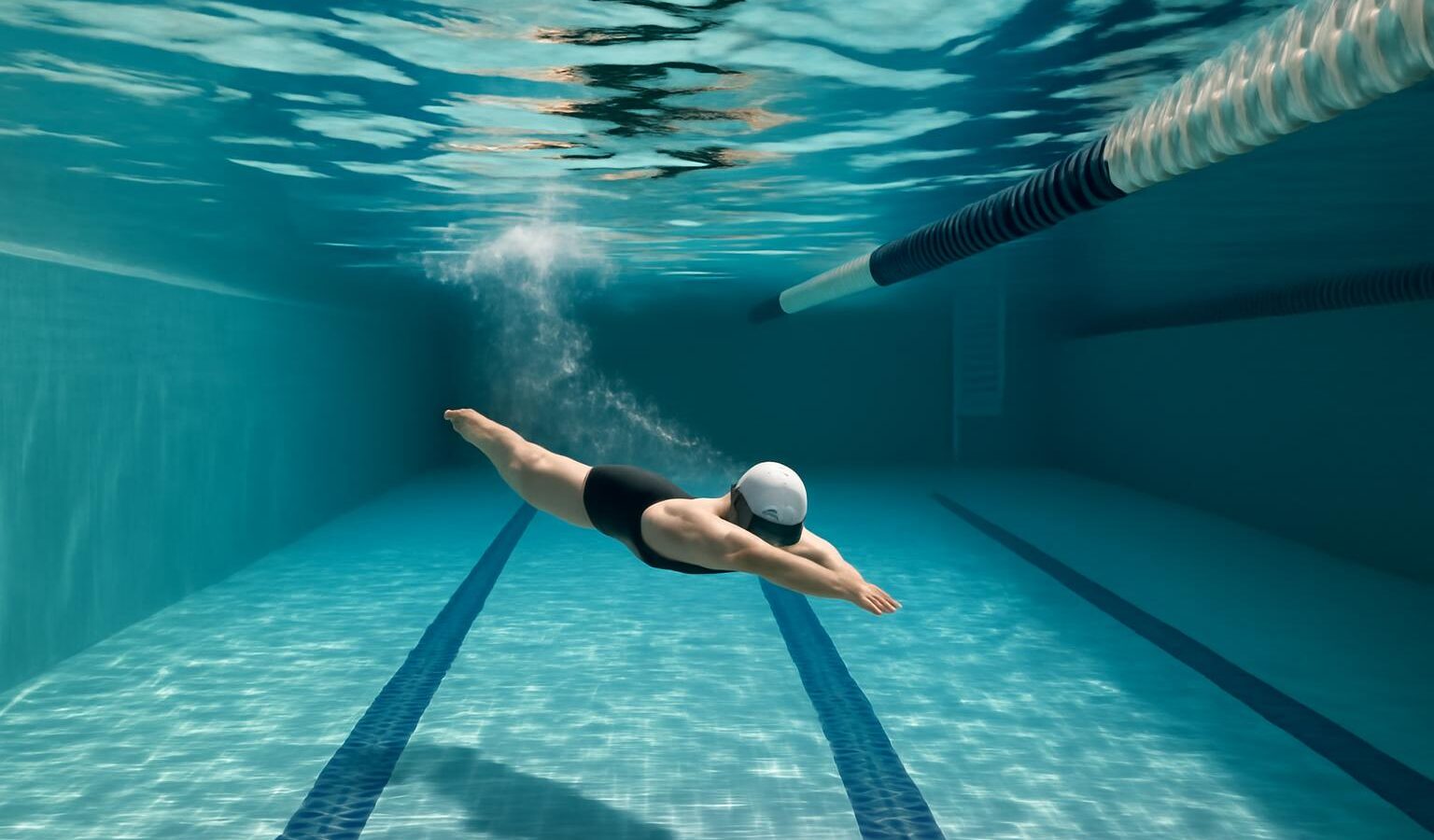
A fear of deep water is one of the most common hurdles children face in learning to swim — and one of the most rewarding to overcome. With patience, the right approach and plenty of reassurance, an anxious child can become a calm, confident swimmer who genuinely enjoys the deep end.
Fear of deep water is completely normal and, in many ways, sensible. Deep water is where a child cannot touch the bottom, and that loss of control feels frightening. The goal is never to force a child to “toughen up,” which usually makes the fear worse, but to build genuine confidence step by careful step. This guide shares the gentle, supportive approach we use every day at the poolside.
Understand where the fear comes from
Children fear deep water for understandable reasons: not being able to stand, a past scare or near-miss, a fear of the unknown beneath the surface, or simply absorbing a parent’s own nervousness. Sometimes it follows a moment of being splashed or going under unexpectedly. Whatever the cause, the fear is real to your child and deserves to be taken seriously rather than dismissed.
Never tease, rush or force a frightened child into deep water. Pushing a child in “to get it over with” can deepen the fear for years and damage their trust. Confidence built gently lasts; confidence forced rarely does.
Start where your child feels safe
The foundation of overcoming deep-water fear is mastering the shallow end first. A child who is completely comfortable in shallow water — submerging, floating, gliding and recovering to standing — has the skills and the confidence to extend into deeper water gradually.
- Make sure your child can blow bubbles and put their face in the water calmly.
- Practise floating on the front and back, and standing up again confidently.
- Build comfortable gliding and kicking across the shallow end.
- Only then begin to move, very gradually, towards deeper water.
These core skills are exactly what we develop in our kids swimming lessons, and they are the bedrock of deep-water confidence.
Move into deeper water gradually
Take tiny steps
Progress in small, manageable increments. Move to where the water is chest-deep, then shoulder-deep, staying close and offering reassurance at each stage. Let your child set the pace and celebrate every small step forward. There is no prize for rushing.
Teach skills that beat the fear
Much of the fear of deep water is the fear of not being able to rest or breathe. Teaching a child to float on their back to rest, to tread water and to recover to a floating position directly answers that fear. When a child knows they can always rest and breathe, deep water becomes far less frightening.
Use support, then fade it
A trusted adult or coach staying within arm’s reach gives huge reassurance early on. As confidence grows, that support is gradually reduced so the child experiences swimming on their own — always closely supervised. The aim is real independence, not permanent reliance on help.
Keep it positive and pressure-free
Praise effort, not just success. Stay calm and encouraging even when your child hesitates, and never show frustration. Keep sessions short, fun and ending on a high note. If your child has a wobble one day, that is normal — progress is rarely a straight line, and a patient, steady approach wins out.
Manage your own nerves too. Children are remarkably good at sensing a parent’s anxiety, so projecting calm confidence around water genuinely helps them feel safe.
When to bring in a professional coach
Sometimes a child responds better to a calm, experienced coach than to a parent — there is less emotional charge and more trust in the structure. A qualified coach knows how to read a child’s fear, pace the progression safely and never push too hard. Deep water and water-survival skills in particular are best learned under proper supervision with certified training.
Coach U.K. is AUSTSWIM-accredited with over 25 years of experience, including with nervous beginners and aqua-phobia. If your child’s fear feels stuck, our lessons for nervous beginners are designed to rebuild confidence patiently and safely.
Frequently asked questions
Is it normal for my child to be scared of deep water?
Yes, completely. Fear of deep water is very common and quite sensible — it is where a child cannot stand or feel in control. With a patient, gradual approach it can almost always be overcome, and many children go on to love the deep end.
Should I just throw my child in to get over the fear?
No, never. Forcing a frightened child into deep water can deepen the fear for years and damage their trust in you and in the water. Confidence is built gently, step by step, not through fear.
What skills help a child feel safe in deep water?
Being able to float on the back to rest, tread water and recover to a floating position directly answers the fear of not being able to breathe or rest. Mastering shallow-water skills first gives children the foundation to extend into deeper water calmly.
How long does it take to overcome fear of deep water?
It varies from child to child — some take a few sessions, others several weeks or more. The key is patience and never rushing. Steady, positive progress builds confidence that lasts.
Would a swimming coach help more than I can?
Often, yes. Many children respond well to a calm, experienced coach because there is less emotional charge and a clear, safe structure. A qualified coach paces the progression carefully and keeps deep-water practice properly supervised.
How can I help without making my child more nervous?
Stay calm and positive, praise effort, keep sessions short and fun, let your child set the pace and never show frustration. Managing your own nerves around water helps too, since children pick up on a parent’s anxiety.
Let us help your child love the water
Overcoming a fear of deep water is one of the most confidence-building things a child can achieve — and we would love to help. WhatsApp Coach U.K. on +65 9021 1254 for a patient, judgement-free approach that moves entirely at your child’s pace. As an independent swim school coaching island-wide, we specialise in nervous learners. Explore our lessons for nervous beginners, our kids swimming lessons, or our water survival and life-saving skills programme.