
Drowning Prevention in Singapore: What Parents Should Know
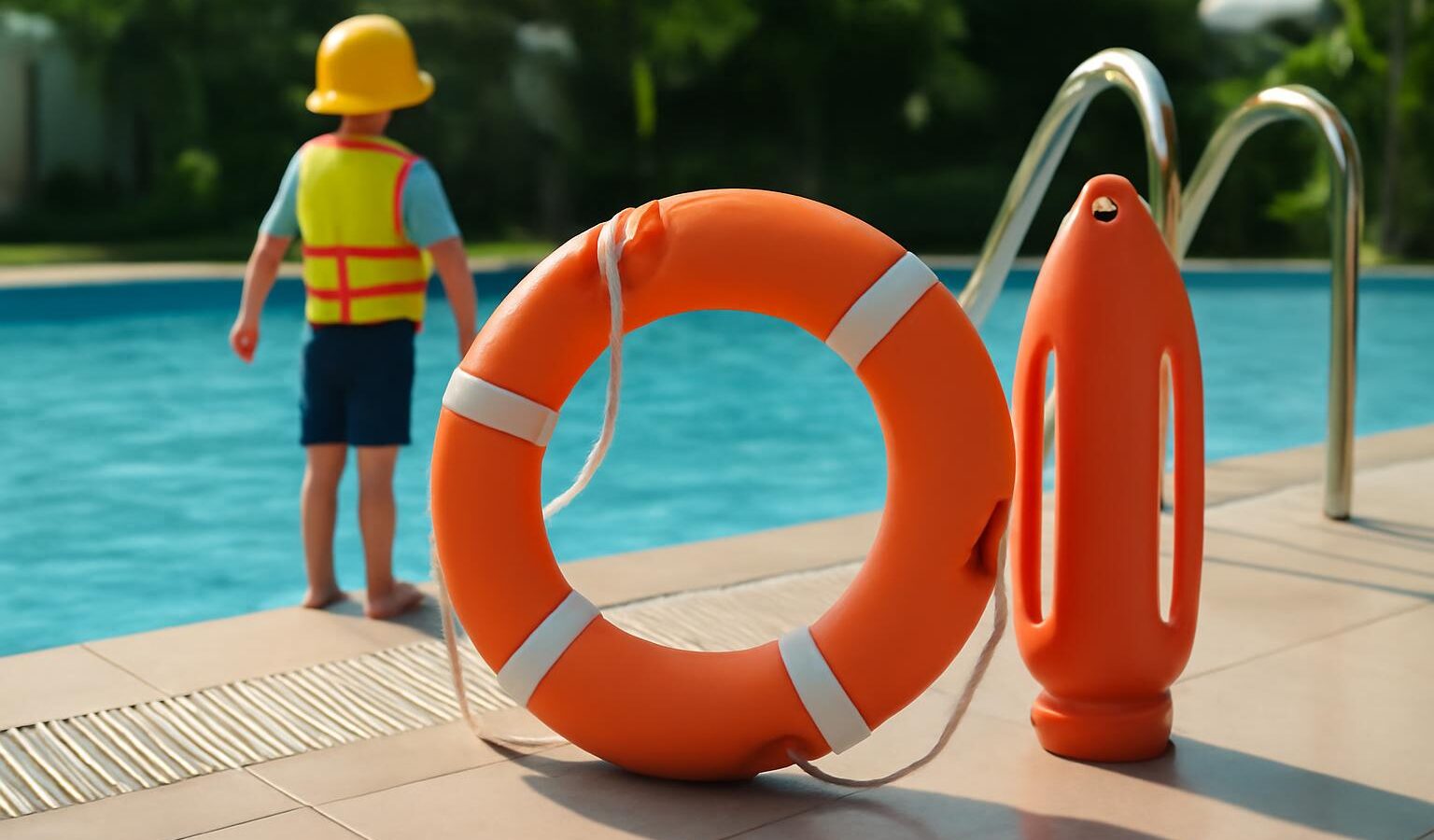
Drowning prevention in Singapore begins long before a child reaches deep water, and the most powerful tools every parent has are close supervision, water competence and a few simple household habits that quietly remove risk.
Singapore is an island nation surrounded by water and dotted with pools. Condominiums have them, schools take excursions to them, and family holidays revolve around them. That closeness to water is wonderful, but it carries responsibility. Drowning is often silent and fast, and it does not look like the dramatic splashing many parents expect. This guide explains, in plain terms, how families can reduce the risk, what to teach children, and why building genuine water competence is the single best long-term investment in your child’s safety.
Understanding the real picture
Most parents imagine drowning as loud and obvious. In reality, a person in trouble in the water is usually quiet, upright and unable to call out, because their body is using every effort just to keep the airway above the surface. This can happen in seconds and within arm’s reach of other people. Understanding this changes how we supervise. We cannot rely on hearing a problem; we have to be watching for it.
Coach Umesh “U.K.” Singh has taught swimming and water survival in Singapore since 1999, more than 25 years in the water. As an AUSTSWIM-accredited swim teacher, a certified Singapore Armed Forces life-saver and an open-water swim trainer, he approaches every lesson with prevention at its heart. The advice below is general safety guidance for parents; it is not a substitute for hands-on training. For first-aid and rescue skills, we always recommend a certified course.
A quick independence note
To be clear and fair to everyone, we are an independent private swim school. We are not the official SwimSafer programme, and we are not affiliated with SportSG, Singapore Aquatics or the National Water Safety Council. What we do is coach and prepare students for the SwimSafer syllabus so they can build real water competence.
The layers of protection
There is no single magic fix for water safety. Instead, prevention works best as overlapping layers, so that if one fails, another still protects the child.
Layer 1: Active, undistracted supervision
Whenever children are in or near water, an adult should be actively watching, not reading, not on the phone and not deep in conversation. For younger or weaker swimmers, this means staying within arm’s reach. Many families find it helpful to nominate a “water watcher” who has no other job for that block of time, then hand the role over so attention never lapses.
Layer 2: Barriers and the home environment
Young children are curious and quick. At home and in the condo, simple barriers matter: keep bathroom doors closed, never leave water standing in pails or tubs, and empty inflatable pools after use. Even shallow water can be dangerous for a toddler, so the goal is to make unsupervised access difficult.
Layer 3: Water competence
The most durable layer is the child’s own ability. A child who can hold their breath, float, turn over, surface and move to the side has a fighting chance if they ever fall in unexpectedly. This is exactly what good swimming lessons build, and it is why we treat early survival skills as core, not optional.
Layer 4: Knowing how to respond
Adults should know how to call for help and what to do in an emergency. We keep this guidance general and strongly encourage every parent and carer to complete a recognised first-aid and CPR course, because trained hands save lives in the minutes that matter most.
Building water competence the right way
Water competence is more than swimming a length. It is a set of survival-focused skills layered onto stroke technique.
- Breath control and bubbles: the foundation of calm in the water.
- Floating and rolling over: so a tired or surprised swimmer can rest and breathe.
- Survival floating: staying afloat with minimal effort while help arrives.
- Treading water: keeping the head up in deep water.
- Getting to safety: swimming or moving to the nearest edge and climbing out.
These are the skills we prioritise for nervous beginners and young children, because they convert panic into a plan. Confidence built this way is calm and earned, never forced.
Teaching children water-safety rules
Children follow rules they understand and rehearse. A few simple, consistent messages go a long way.
- Always ask an adult before going near water.
- Never swim alone, and never push or dunk friends.
- Walk, do not run, on wet pool decks.
- Stay in the depth an adult has agreed.
- If you feel tired or cold, get out and rest.
Repeating these rules calmly, every visit, builds habits that stick far better than a single stern lecture.
Special situations to watch
Risk rises in certain settings. Condo pools often have no lifeguard, so parental supervision is everything. Open water such as beaches and reservoirs adds currents, uneven depth and limited visibility. Birthday parties and busy public pools create a false sense of safety, because many adults present can mean no single adult is truly watching. In every case, the answer is the same: name a watcher, stay close to weaker swimmers, and keep competence ahead of the conditions.
Frequently asked questions
At what age should my child start learning water safety?
Water familiarity can begin very young with gentle, parent-led play, and structured lessons typically follow as a child grows. The earlier a child becomes calm and competent in water, the stronger their safety foundation. Readiness varies from child to child, so there is no single right age.
Does knowing how to swim mean my child is safe from drowning?
Swimming ability reduces risk significantly but never removes it entirely. Even strong swimmers can get into trouble through fatigue, cold, currents or panic. Competence is one vital layer alongside supervision and a safe environment, not a replacement for them.
Why is supervision still needed if a lifeguard is present?
Lifeguards watch the whole pool, not your individual child. They are an important safety net, but parents should still actively supervise their own children, especially younger or weaker swimmers. The two roles work together.
What is the most important first skill for safety?
Breath control and floating come first. A child who can stay calm, float and turn to breathe has the core of survival in the water. From there we build treading water, survival floating and moving to safety.
Should I learn first aid as a parent?
Yes. We strongly recommend that every parent and carer completes a certified first-aid and CPR course. In an emergency the first few minutes are critical, and trained, confident hands make a real difference. Our coaching focuses on prevention and water skills; certified courses cover hands-on rescue and resuscitation.
Are condo pools safe for young children?
They can be, with care. Most condo pools have no lifeguard, so close adult supervision is essential. Check the depth, stay within arm’s reach of young or weaker swimmers, and keep the pool gate or barrier secure when not in use.
Give your child the strongest safety layer of all
The best protection you can give a child is genuine, calm competence in the water. To start that journey, WhatsApp Coach U.K. on +65 9021 1254 for a friendly, no-pressure chat. Learn more through our kids swimming lessons, build true survival ability with our water survival and life-saving skills coaching, ease an anxious child in with our lessons for nervous beginners, or arrange sessions in your own pool through our condo swimming lessons.