
The Best Time of Day for Swimming Lessons
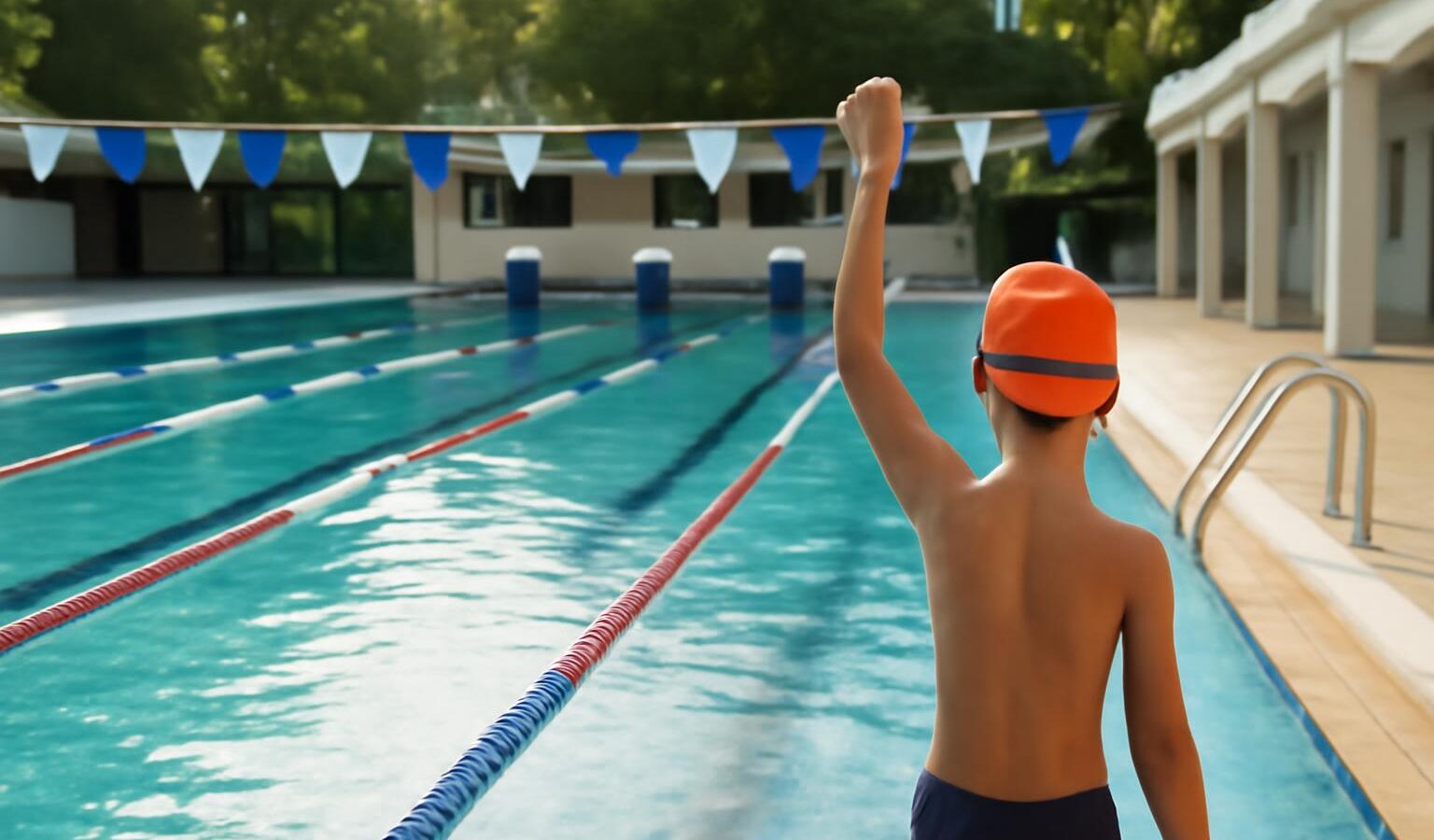
Choosing the best time for swimming lessons can make the difference between a child who arrives fresh and eager and one who is tired, hungry and out of sorts. In Singapore’s warm climate, the timing of a lesson affects comfort, concentration and how quickly a learner progresses.
There is no single “perfect” slot that suits everyone — the right time depends on your learner’s age, energy patterns, the weather, and your family’s routine. This guide walks through the pros and cons of morning, afternoon and evening lessons so you can choose a time that helps swimming feel easy and enjoyable rather than a chore.
Why the timing of a lesson matters
Swimming is both physical and mental. A learner who is alert, calm and comfortable absorbs new skills far more readily than one who is fighting tiredness or the heat. Timing influences several things at once:
- Energy and focus: young children in particular have natural peaks and dips through the day.
- Water and air temperature: Singapore’s midday sun and afternoon thunderstorms can shape how pleasant a session feels.
- Pool calm and space: a quieter, calmer pool helps a learner relax and gives the coach room to work — one reason private lessons in your own condo or home pool are so effective.
- Appetite and rest: nobody swims well immediately after a big meal or when overdue for a nap.
Morning lessons
For many learners, mornings are the standout choice. Children and adults alike tend to be freshest early in the day, before the heat builds and before the mental fatigue of school or work sets in.
The advantages of mornings
- Cooler, calmer conditions: the sun is gentler and the air more comfortable, which is kinder to young skin and to nervous beginners.
- Better focus: well-rested learners concentrate and retain skills more easily.
- Calm, unhurried sessions: mornings tend to feel peaceful, and a private lesson in your own pool means there is never a queue for space — just room to practise.
- Lower thunderstorm risk: Singapore’s heaviest downpours often arrive in the afternoon, so morning slots are less likely to be cancelled.
Mornings suit toddlers and preschoolers especially well, as they have not yet hit the midday slump. The main trade-off is that early slots can clash with school hours during term time, which is why many families reserve morning lessons for weekends or school holidays.
Afternoon lessons
Afternoons are the most popular slots for school-age children simply because they fit around the school day. They work well, provided you plan around two things: the heat and the rain.
In the early afternoon the sun is at its strongest, so sun protection, hydration and shade between drills matter more. Singapore’s characteristic afternoon storms can also interrupt outdoor pool sessions, and lessons are paused when there is lightning nearby. A flexible coach will reschedule promptly when the weather turns. Mid to late afternoon, once the fiercest heat eases, can be a comfortable and convenient window for many children.
Evening lessons
Evening lessons appeal to working parents and to adult learners finishing the day. The air is cooler, the sun is down, and it is often the only realistic slot in a busy household.
Things to weigh up for evenings
- Tiredness: after a full day of school or work, younger children can be too tired to concentrate, and overtired toddlers rarely have a good session.
- Dinner and sleep: a late, active lesson can affect appetite and bedtime for little ones, so timing it well before dinner helps.
- Cooler water: the water can feel chillier in the evening, which is worth noting for young children and nervous beginners who feel the cold.
- Convenience: for adults and older children, evenings are often calm, quiet and a pleasant way to unwind.
Evening slots tend to suit adults and older, more confident children better than tired toddlers. If evenings are your only option for a young child, keep the lesson short and watch for signs of fatigue.
Matching the time to the learner
The honest answer is that the best time is the one your learner can attend happily and consistently. Consistency beats perfection — a regular weekly slot your family can always keep will build skills faster than an “ideal” time you frequently have to miss.
A few simple guides help:
- Babies and toddlers: late morning, after a nap and a small snack but before the midday slump, is usually best.
- Preschoolers: mornings or early afternoon, when energy and mood are at their steadiest.
- School-age children: after school or weekend mornings, kept clear of the immediate post-school crash.
- Adults: whenever you are most alert and least rushed — early mornings and evenings both work well.
Because we coach privately at your own condo or home pool island-wide with flexible timings, lessons can be arranged around your routine rather than forcing your routine around a fixed class. This flexibility, combined with a coach who reads your child’s energy on the day, is one of the real advantages of in-person tuition over rigid group schedules.
Practical tips whatever time you choose
- Avoid a heavy meal in the hour before swimming; a light snack is better than a full stomach.
- Bring water and apply sun protection for daytime outdoor sessions.
- Build a buffer for Singapore’s weather — outdoor lessons pause for lightning and resume when it is safe.
- Keep the slot consistent week to week so it becomes a familiar, settled routine.
Frequently asked questions
What is the best time of day for a toddler’s swimming lesson?
Late morning usually works best for toddlers, after a nap and a small snack but before the midday tiredness sets in. A well-rested, comfortable toddler enjoys the water far more and learns more readily than a hungry or sleepy one.
Are morning or evening lessons better for children?
Mornings tend to suit younger children because they are fresher and the conditions are cooler and calmer. Evenings can work well for older, more confident children, but very young ones are often too tired after a full day to concentrate.
Do afternoon lessons get cancelled because of the weather?
Singapore’s heaviest storms often arrive in the afternoon, and outdoor lessons are paused when there is lightning nearby for safety. A flexible coach will reschedule promptly, but if you prefer fewer interruptions, morning slots carry a lower thunderstorm risk.
Is it bad to swim straight after eating?
It is best to avoid a large meal right before swimming, as a full stomach can feel uncomfortable during activity. A light snack an hour or so beforehand is ideal, so your learner has energy without feeling weighed down.
Does the time of day change how quickly my child learns?
Indirectly, yes. A learner who is alert, calm and comfortable absorbs skills faster, so choosing a slot that matches their natural energy helps. That said, consistent attendance at a regular time matters more than picking a theoretically perfect hour.
Can lessons be arranged around my work schedule?
Yes. We offer flexible timings island-wide — Coach U.K. teaches privately at your own condo or home pool, and a certified coach from our network can teach at a public swimming complex — so lessons can be fitted around school, work and family routines rather than a fixed class timetable.
Find a lesson time that suits your family
Not sure which slot will work best for your child or for you? Message Coach U.K. on WhatsApp at +65 9021 1254 for friendly advice and to arrange a time that fits your routine. With AUSTSWIM accreditation and coaching experience since 1999, he will help you choose a slot that sets your learner up to succeed. Explore our kids swimming lessons, our adult swimming lessons, convenient condo pool lessons, and indicative rates on the pricing page.