
Best Swimming Goggles for Kids: A Buying Guide
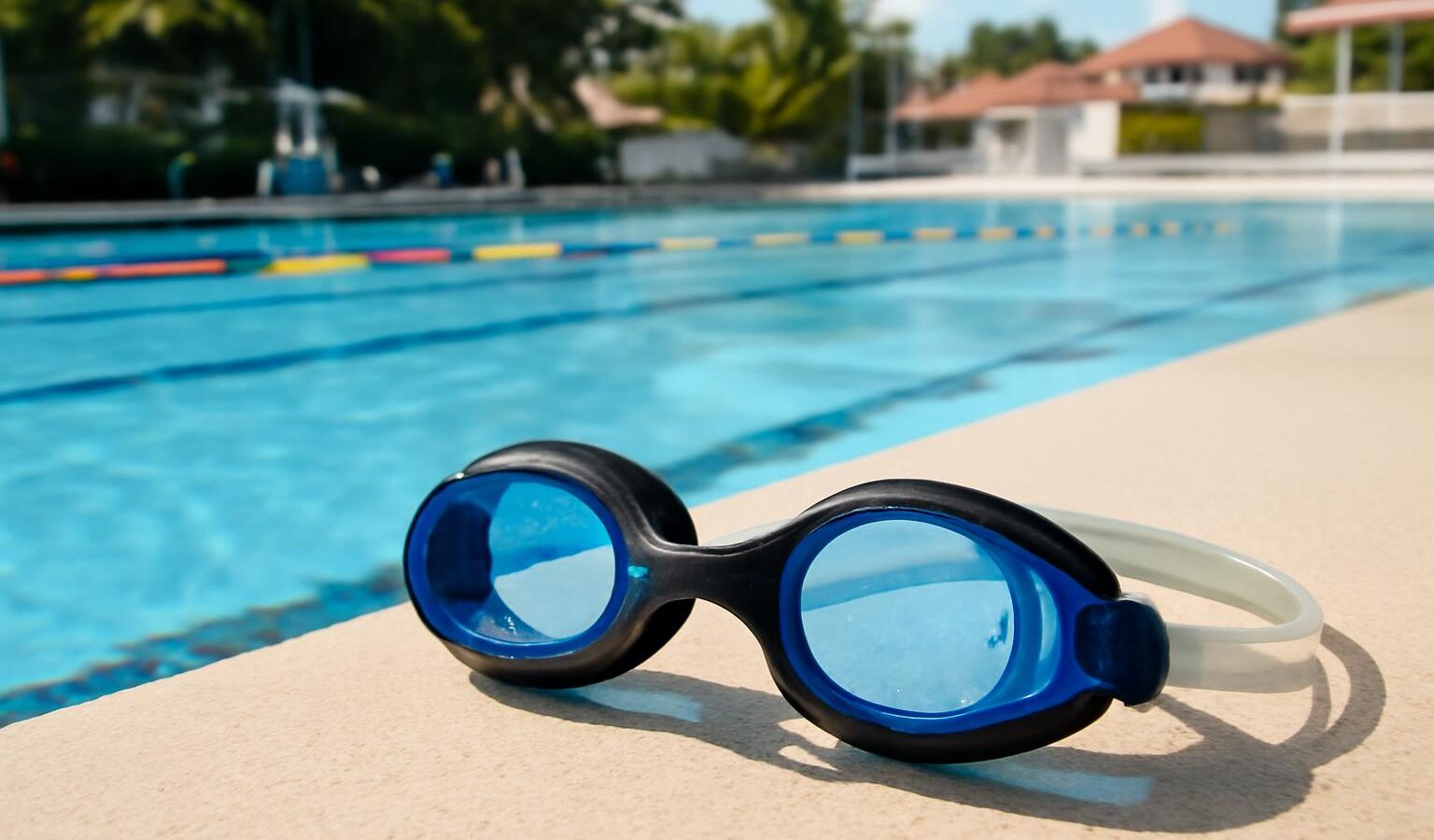
Choosing the right swimming goggles for kids can make the difference between a child who happily opens their eyes underwater and one who fusses, squints and resists every lesson, so it pays to know what actually matters when you buy.
Coach Umesh “U.K.” Singh has watched thousands of children take to the water since 1999, and a surprising number of early struggles trace back to one small thing: badly fitting goggles. Too tight and they leave red rings and headaches; too loose and they leak constantly, which quickly erodes a young swimmer’s confidence. Goggles are inexpensive, but the right pair is genuinely worth getting right. This honest, brand-neutral buying guide walks you through what to look for, how to fit goggles properly, and how to care for them, so your child can focus on learning rather than fiddling with a leaky strap.
Do children actually need goggles?
Goggles are not strictly essential, and there is real value in children being comfortable opening their eyes briefly underwater without them, since they will not always have goggles to hand in an emergency. That said, for regular lessons and practice, goggles make a big difference. They protect young eyes from chlorine irritation, let children see clearly underwater, and remove a common source of discomfort that can make a child reluctant to put their face in. Most coaches, including Coach U.K., are happy for children to use goggles for lessons while also encouraging some confidence without them. For more on the face-in-water milestone, see our kids swimming lessons approach.
A quick independence note
To be clear and fair to everyone: we are an independent private swim school. We are not the official SwimSafer programme, and we are not affiliated with SportSG, Singapore Aquatics or the National Water Safety Council. We coach and prepare students for the SwimSafer syllabus, and this guide simply offers practical, honest gear advice with no brand affiliations or sponsorships.
What to look for in kids’ swimming goggles
Rather than chasing a particular brand or price, focus on these practical qualities. Many well-made goggles across a range of prices tick these boxes, so let fit and comfort guide you more than the label.
A proper seal and fit
This is the single most important factor. The goggles should sit snugly around the eye sockets and hold a gentle seal without being cranked tight. Soft silicone gaskets mould to a child’s face better than hard plastic. Children’s faces are small, so look for goggles designed and sized for kids rather than shrunk-down adult models.
Comfortable, adjustable straps
Look for a soft silicone strap that adjusts easily and stays put. Split straps can help keep goggles stable on wriggly heads. The strap should hold the goggles in place without you having to overtighten it, which is the usual cause of red marks and complaints.
Soft silicone, not hard plastic
The part that touches the skin should be soft and flexible. Cheap, rigid eye cups are a common reason children find goggles uncomfortable and refuse to wear them.
Anti-fog and UV features
An anti-fog coating helps children see clearly, though it does wear off over time and benefits from care. For outdoor pools in sunny Singapore, lightly tinted or UV-protective lenses can reduce glare, while clear lenses are best for indoor pools.
Latex-free materials
If your child has sensitive skin or allergies, check for latex-free silicone to avoid irritation around the delicate eye area.
How to fit goggles correctly
Even the best goggles fail if they are fitted poorly. Here is a simple test you can do in the shop or at home.
- Press the eye cups gently against your child’s eyes, without the strap. They should stick briefly on their own through light suction. If they fall straight off, the shape does not suit your child’s face.
- Then fit the strap over the head and adjust it so the goggles are secure but not digging in. You should be able to slip a finger comfortably under the strap.
- Check for red rings after wearing. Deep marks mean they are too tight; constant leaking means too loose or the wrong shape.
- Involve your child. A child who helped choose and fit their goggles is far more likely to wear them happily.
Sizing and age
Goggles are usually sized roughly by age band, such as toddler, junior and youth, but faces vary, so treat these as starting points rather than rules. A smaller child often needs a smaller frame to seal properly. As your child grows, you will need to size up, so think of goggles as something to revisit every year or so rather than a one-off purchase. For very young children, simple, soft, easy-to-adjust goggles usually work better than feature-packed competition models.
Caring for goggles so they last
A little care keeps goggles clear and comfortable and saves you money.
- Rinse after every swim in clean fresh water to remove chlorine, which degrades materials and anti-fog coatings.
- Avoid touching the inside of the lenses with fingers or towels, as this scrubs away the anti-fog coating. Let them air dry instead of wiping.
- Store in a case or a dedicated pocket so the lenses do not get scratched in the swim bag.
- Keep them out of direct heat, such as a hot car dashboard, which can warp the silicone.
- Replace when needed. Once the seal hardens, the strap perishes or the lenses are badly scratched, it is time for a new pair. Goggles are inexpensive and a poor pair undermines lessons.
A note on price
You do not need the most expensive goggles for a learning child. Mid-range kids’ goggles from reputable sports retailers are usually more than good enough, and an excellent fit on a modest pair beats a poor fit on a premium one. Rather than quoting specific prices, which vary by shop and over time, the honest advice is to prioritise fit, comfort and soft silicone, and to buy from a retailer that lets your child try the seal before you commit. Save the high-end competition goggles for when your child is older and swimming seriously.
Frequently asked questions
Do young children really need swimming goggles?
Goggles are not essential, and some confidence opening the eyes underwater without them is valuable. For regular lessons, though, goggles protect young eyes from chlorine and help children see and relax, so most families find them well worth having.
How do I stop my child’s goggles from leaking?
Leaks usually come from the wrong shape or a loose strap. Check that the eye cups seal briefly on their own through gentle suction before adding the strap, then adjust the strap so it is secure but not overtight. If they still leak, the frame shape may not suit your child’s face.
How tight should kids’ goggles be?
Snug enough to seal, but never cranked tight. You should be able to slip a finger under the strap, and there should be no deep red rings after wearing. Overtightening causes discomfort and headaches and often makes leaks worse, not better.
How do I keep goggles from fogging up?
Choose goggles with an anti-fog coating, rinse them in fresh water after each swim, and avoid wiping the inside of the lenses, which removes the coating. Let them air dry and store them in a case to protect the surface.
Which brand of goggles is best for kids?
There is no single best brand. Many well-made goggles across different price points work well, so focus on fit, soft silicone and comfort rather than the label. An excellent fit on a modest pair beats a poor fit on an expensive one.
Are you the official SwimSafer programme?
No. We are an independent private swim school that coaches and prepares students for the SwimSafer syllabus. We are not affiliated with SportSG, Singapore Aquatics or the National Water Safety Council, and this guide offers honest, independent gear advice only.
Ready to get your child swimming with confidence?
The right goggles help, but a patient coach helps more. WhatsApp Coach U.K. on +65 9021 1254 for a friendly chat about lessons for your child. While you are here, explore our kids swimming lessons, our lessons for nervous beginners and the full SwimSafer stages roadmap.