
Best Swimming Pools for Kids in Singapore
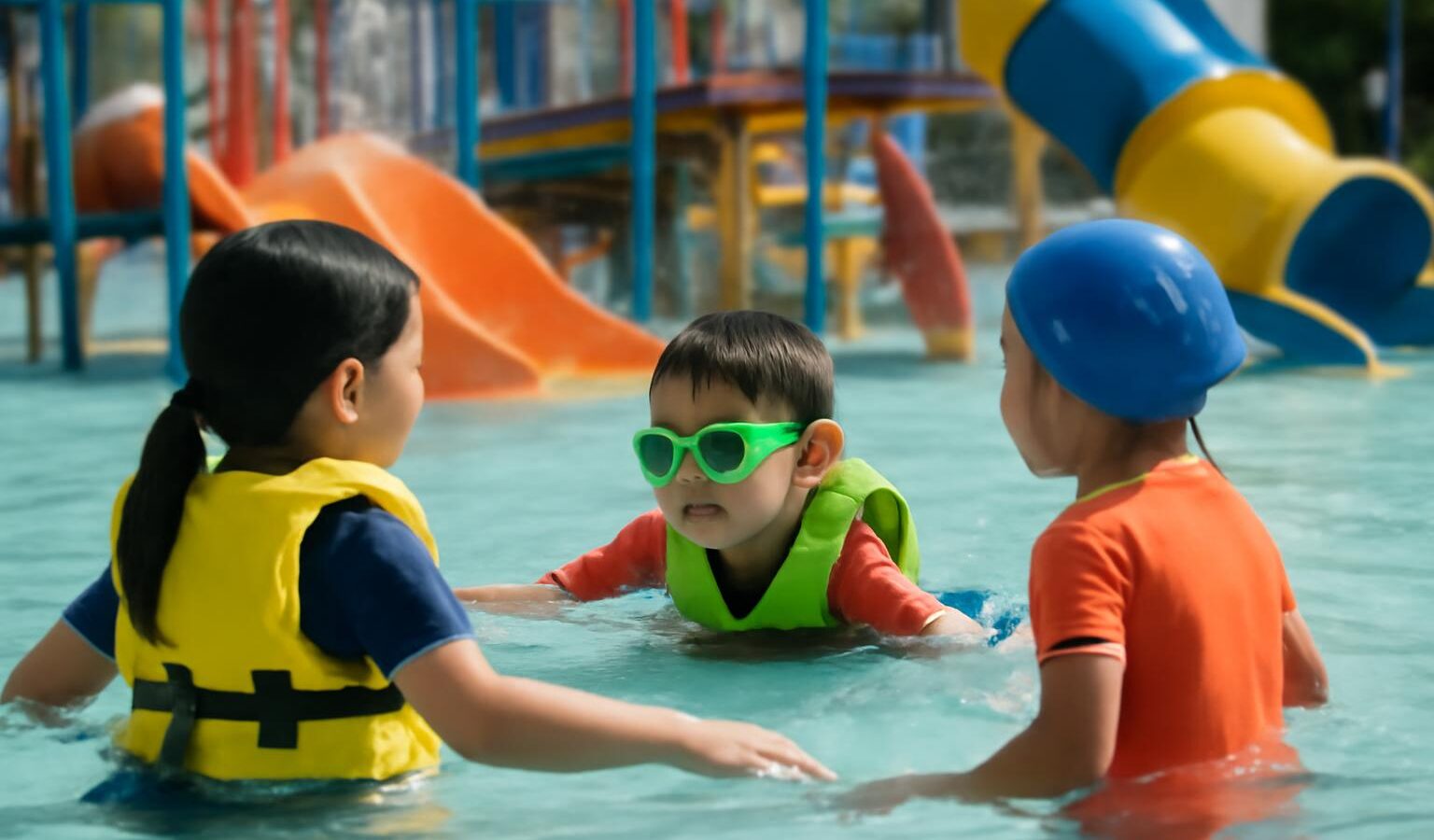
Choosing among the best pools for kids in Singapore comes down to more than slides and fountains — it is about water depth, shade, safety supervision and whether the venue suits your child’s swimming ability. This guide helps parents pick well.
Singapore is blessed with one of the most accessible networks of public swimming complexes in the world, and many of them have been built or refurbished with families squarely in mind. From gentle wading pools and lazy rivers to interactive splash decks, there is genuinely something for every age and confidence level. The challenge for parents is not a lack of choice but knowing which features matter for your child right now.
Below we walk through what makes a pool genuinely good for children, highlight the kinds of family-friendly complexes you will find across the island, and share practical safety guidance drawn from Coach U.K.’s 25-plus years of teaching young swimmers. We have deliberately avoided ranking venues like a leaderboard, because the “best” pool for a nervous three-year-old is very different from the best pool for a confident eight-year-old who wants to practise lengths.
What actually makes a pool good for kids?
When parents ask us to recommend a pool, we steer the conversation away from how many slides it has and towards a handful of practical factors that make a real difference to a child’s safety and enjoyment.
Shallow, graded water depth
The single most important feature for young children is a shallow area with a gentle gradient. A wading pool that sits at roughly knee to waist height lets a child stand comfortably, build confidence and play without an adult constantly bracing them. Graded depth — where the floor slopes slowly rather than dropping off — gives older children room to test themselves while still being able to find their feet.
Water-play features that suit the age
Tipping buckets, mushroom fountains, mini slides and splash pads are wonderful for toddlers and pre-schoolers because they encourage water familiarity through play. For primary-aged children, a separate leisure pool with a lazy river or a longer slide tends to hold their attention. Match the feature to the child: a giant flume can overwhelm a nervous beginner.
Shade, seating and amenities
Singapore’s sun is no joke. Pools with shaded decking, plenty of seating and clean changing facilities make a long family session far more manageable. Nearby toilets, a nursing area and food options matter more than parents expect, especially with younger children in tow.
Clear sightlines and lifeguard coverage
A good family pool lets you keep eyes on your child easily, without pillars or crowds blocking your view. Public complexes in Singapore are lifeguarded, but lifeguards supervise the whole pool — they are never a substitute for a parent within arm’s reach of a young child.
Types of kid-friendly pools you will find in Singapore
Rather than a fixed list, it helps to think in categories, because new complexes open and older ones are refurbished regularly.
- Large leisure complexes with wave pools, lazy rivers and themed water-play zones — ideal for a half-day family outing with mixed ages.
- Neighbourhood public pools with a dedicated wading pool and a training pool — perfect for regular, low-cost visits close to home.
- Condominium pools — convenient and quieter, though depth and features vary enormously from one development to the next.
- Splash pads and water playgrounds at parks — zero or near-zero depth, brilliant for toddlers and water-shy little ones.
One important note as you weigh up these venues: public complexes and water playgrounds are wonderful for family recreation, and they can be lesson venues too. We offer coaching in both settings — Coach U.K. teaches private lessons at your own condominium, landed-home or other private pool, travelling to you, and for lessons at a public swimming complex we can pair you with a certified, NROC-registered coach from our island-wide network. SwimSafer tests are conducted by certified assessors, usually arranged at a public complex when your child is ready. Our broader services overview and our condo swimming lessons page explain how lessons run, whether at your own pool or a public complex near you.
Safety first: how to enjoy any pool with children
The best pool in the world is only as safe as the supervision around it. These are the habits we drill into every parent we coach.
Practise active, close supervision
For non-swimmers and weak swimmers, “touch supervision” means staying within arm’s reach at all times. Drowning is silent and fast; it rarely looks like the dramatic splashing shown on television. Put the phone away and keep watching.
Don’t over-rely on flotation aids
Armbands, rings and floats give a false sense of security and can slip off or flip a child face-down. They are play toys, not safety devices. Building real water competence through lessons is what genuinely keeps children safe — more on that in our guide on water survival and life-saving skills.
Set simple pool rules
Walk, don’t run. Enter feet-first unless you know the depth. Ask before going in. No breath-holding competitions. Clear, consistent rules help children self-regulate and reduce accidents.
Mind the sun and hydration
Apply water-resistant sunscreen, reapply after towelling, use a rash vest, and take regular water and shade breaks. Children overheat and dehydrate faster than adults even while in the pool.
Matching the pool to your child’s swimming stage
A child who is still building water confidence benefits most from a calm, shallow environment with minimal crowding — a quiet neighbourhood wading pool early in the day beats a packed leisure complex on a weekend. A child who can already swim a few metres independently will get more from a pool with a proper training lane where they can practise without obstruction.
This is also where structured lessons pay off. Many parents find that once their child is enrolled in a programme working towards the national SwimSafer syllabus, family pool visits become an opportunity to reinforce skills rather than start from scratch. As an independent swim school, we coach and prepare students for that syllabus; we are not the official programme, and we always recommend confirming current SwimSafer details with the official Singapore Aquatics resources.
Frequently asked questions
What is the best age to take my child to a public pool?
There is no fixed age — babies can enjoy warm, shallow water with a parent, while toddlers love splash pads. The key is matching the depth and crowd level to your child’s confidence and never leaving them unsupervised, regardless of age.
Are armbands enough to keep my child safe at a kids’ pool?
No. Armbands and floats are play aids, not safety equipment. They can slip off or tip a child face-down. Close, hands-on supervision and genuine swimming skills are what keep children safe in the water.
How deep should a pool be for a young child?
For non-swimmers, a wading pool around knee to waist height lets them stand and play safely. Always check the depth yourself before letting a child in, as condo and leisure pools vary widely.
Do I still need to watch my child if there are lifeguards?
Yes, always. Lifeguards supervise the entire pool and cannot replace a parent staying within arm’s reach of a young or weak swimmer. Treat lifeguards as a backstop, not your primary supervision.
How can I make pool visits help my child learn to swim?
Choose calm, uncrowded times, keep sessions positive and short, and reinforce skills your child is learning in lessons — blowing bubbles, floating and kicking. Structured coaching plus relaxed family practice is a powerful combination.
Will lessons make pool outings safer and more fun?
Generally, yes. A child with real water competence is calmer, more independent and far safer, which makes family pool trips more enjoyable for everyone. Lessons also give parents peace of mind around water.
Are the bigger leisure pools worth it for very young children?
They can be, but the crowds, noise and large slides may overwhelm a toddler or nervous beginner. For little ones, a quiet wading pool or splash pad is often a better first experience.
How much do kids’ swimming lessons cost?
Rates depend on class size and whether lessons are private 1-to-1 or small-group at your own condo or home pool. We never quote fixed prices in our guides — see our pricing page for indicative rates and message us to confirm what suits your child.
Get your child confident and safe in the water
Whichever pool you love, real swimming skills are what make every visit safer and more fun. WhatsApp Coach U.K. on +65 9021 1254 to chat about lessons tailored to your child’s age and confidence. Explore our kids swimming lessons, our help for nervous beginners, or check approximate rates on our pricing page. As an independent school, we coach and prepare students for the SwimSafer syllabus with patient, one-to-one attention.