
Swimming for Children with ADHD
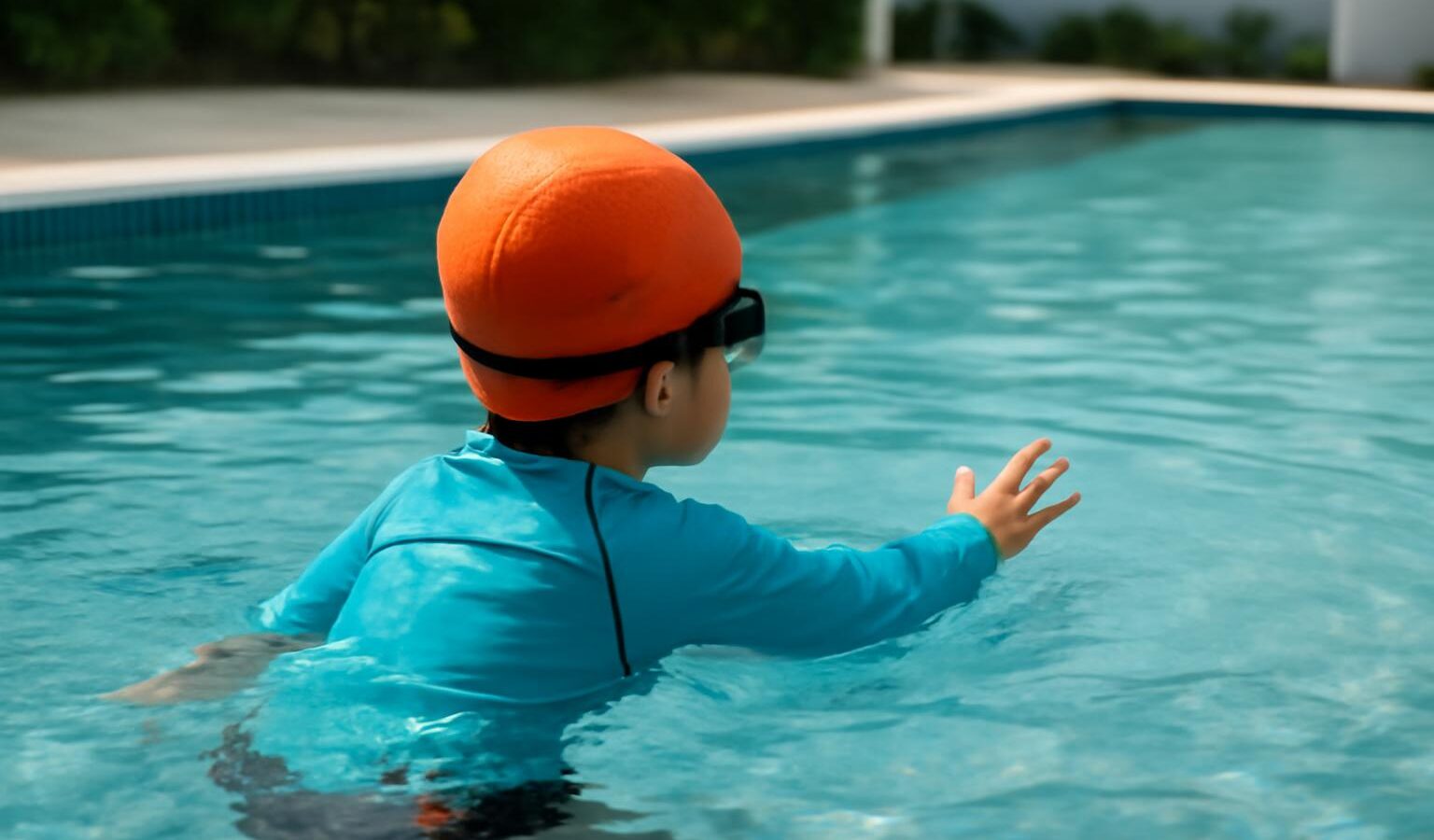
ADHD swimming lessons can be a brilliant fit for energetic, easily distracted children — channelling restless energy into a focused, physical skill while building life-saving water safety. With the right structured, engaging coaching, the pool becomes a place where a child with ADHD can genuinely thrive.
Children with attention-deficit hyperactivity disorder often have boundless energy and can find sitting still difficult, but they frequently respond very well to active, hands-on learning. Swimming offers exactly that: constant movement, clear goals and immediate feedback. This guide explains why swimming suits many children with ADHD, how lessons are structured, and how parents can support progress.
Why swimming works well for children with ADHD
Swimming combines vigorous physical activity with the need for focus and coordination — a powerful mix for the ADHD brain. Regular exercise is widely recognised as helpful for managing ADHD symptoms, and swimming delivers it in a structured, rewarding form.
- Burns energy: a whole-body workout that helps a restless child feel calmer afterwards.
- Builds focus: learning a stroke requires concentration, trained in short, achievable bursts.
- Clear goals and quick wins: mastering each small skill gives instant, motivating feedback.
- Water safety: impulsive children especially benefit from being safe and competent in water.
- Confidence and self-esteem: success in the pool carries over into other areas of life.
How lessons are structured for ADHD learners
The key to coaching a child with ADHD is to keep them engaged and to break learning into short, varied, active chunks. Coach U.K. uses an energetic, encouraging style that holds attention and turns skills into achievable challenges.
Short, varied activities
Rather than long repetitive drills, lessons move briskly between activities — bubbles, then a kicking game, then a glide challenge — so the child stays interested and rarely has a chance to drift. Each segment has a clear, simple goal.
Clear instructions and immediate feedback
Instructions are kept short, specific and one step at a time, with lots of immediate, positive feedback. Knowing exactly what to do and getting quick praise for doing it keeps a child with ADHD motivated and on task.
Channelling energy into skill
Energy is an asset in the pool, not a problem. That natural drive powers strong kicking and enthusiastic practice. A good coach harnesses it — turning floating, breathing, kicking and basic strokes into fun, active challenges rather than tedious exercises — while gently building the focus needed to refine technique.
Consistent structure and boundaries
A predictable lesson routine and clear, calm boundaries help a child know what is expected. Consistency reduces overwhelm and builds the steady habits that lead to real progress.
Safety considerations
Impulsivity means water safety is especially important. A child with ADHD may jump in without thinking or overestimate their ability, so lessons must always be closely supervised by a qualified coach in a controlled setting. We emphasise key survival skills — floating to rest, treading water, and getting safely to the side — alongside stroke technique. Outside lessons, children must always be supervised around any water. Real, dependable progress and safety come from consistent in-person coaching, not from videos or unsupervised practice.
Turning restlessness into real technique
One of the most rewarding parts of coaching a child with ADHD is watching raw energy mature into genuine skill. In the early stages, that energy shows up as enthusiastic, slightly wild splashing. The coach’s job is to gradually shape it — encouraging a longer, more controlled glide, a steadier kick from the hips, and calmer breathing — without ever dampening the child’s enthusiasm. Framing each refinement as a fun challenge (“can you make yourself as long and straight as a torpedo?”) keeps the child engaged while quietly developing the focus that good technique requires.
Progress for a child with ADHD often comes in bursts, with some sessions far more focused than others, and that is completely normal. A patient coach simply meets the child where they are on the day, keeps the activities short and varied, and finds something to praise in every lesson. Over weeks of consistent, well-structured sessions, those bursts add up to real competence — and the sense of mastery a child feels from swimming well can boost their confidence and self-regulation well beyond the pool.
How parents can help
- Share what works: tell the coach how your child responds best, what motivates them, and any triggers.
- Keep a routine: regular lesson times and a calm pre-lesson routine help focus.
- Reduce pre-lesson stimulation: arrive a little early so your child can settle and burn off edge energy.
- Celebrate effort: praise focus and trying, not just results, and expect some up-and-down days.
Frequently asked questions
Is swimming good for children with ADHD?
For many children, yes. It provides vigorous exercise that helps with restlessness, plus structured focus practice and clear goals. Many parents notice their child is calmer and more confident after regular swimming.
Will my child be able to concentrate during lessons?
With the right approach, yes. We keep activities short, varied and active, give clear one-step instructions and immediate praise, and turn skills into engaging challenges so attention stays on the task.
Are one-to-one lessons better for a child with ADHD?
Often, yes. Private one-to-one lessons remove group distractions, let the coach adapt pace and activities to your child, and provide the consistent attention that helps focus. Some children also do well in small, well-managed groups once basics are secure.
My child is very impulsive around water. Is it safe?
That impulsivity is exactly why water-safety lessons matter. Lessons are always closely supervised, we prioritise survival skills, and we set clear boundaries. Away from lessons, children must always be supervised near water.
How long are lessons, and how often?
Lesson length is matched to your child’s attention span and energy, and consistency matters most — regular weekly sessions build steady progress. We will recommend a rhythm that suits your child.
Does this prepare my child for SwimSafer?
The skills built in these lessons support the water competency in the SwimSafer syllabus. We are an independent swim school that coaches and prepares students for the SwimSafer syllabus; please confirm current requirements with the official SwimSafer syllabus and Singapore Aquatics, as criteria can change.
Book an engaging, structured lesson
If your energetic child would thrive with active, patient, structured swimming lessons, message Coach U.K. on WhatsApp at +65 9021 1254 to chat about your child’s needs. An AUSTSWIM-accredited teacher and certified life-saver coaching since 1999, with experience teaching children with special needs, he will keep lessons engaging and safe. Discover our special needs swimming lessons, our kids swimming lessons, our water survival and life-saving skills, and indicative rates on the pricing page.