
Swimming Goggles Guide for Adults
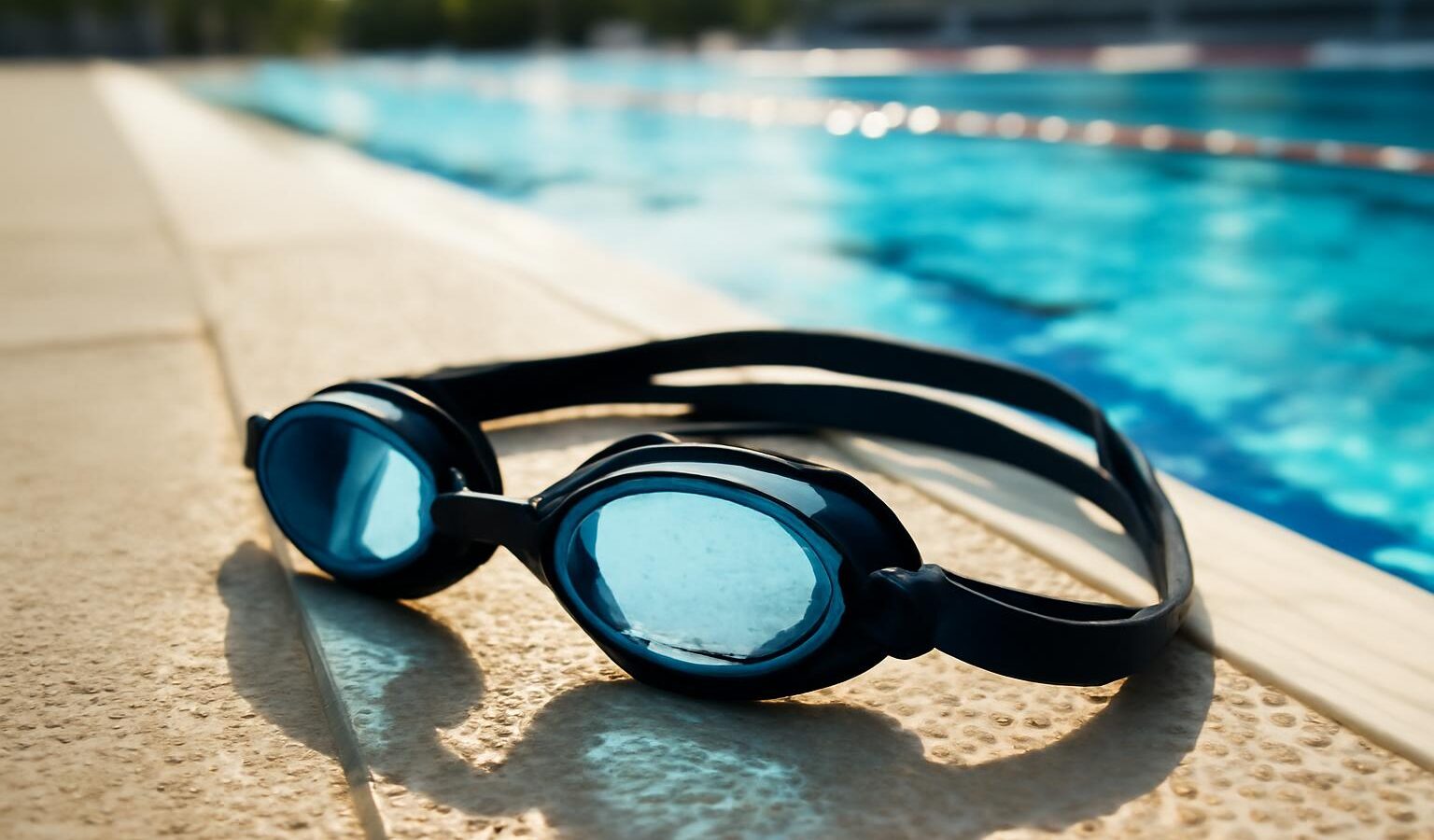
The right pair of swimming goggles for adults can be the difference between a relaxed, enjoyable swim and a frustrating one spent squinting, adjusting and emptying out water. This honest, brand-neutral guide explains how to choose, fit and care for goggles so you can focus on your swimming.
Goggles are the one piece of kit almost every adult swimmer relies on, yet many people simply grab the first pair they see and put up with leaks and fog. A little knowledge about fit, lenses and seals goes a long way. The best goggles for you are the ones that fit your face comfortably and suit where you swim — not necessarily the most expensive or the most heavily marketed.
Why fit matters more than anything
No feature matters if the goggles do not seal to your face. Everyone’s facial structure is different, so a pair that is perfect for a friend may leak for you. Fit comes down to two things: the seal around your eyes and the bridge between the lenses.
The quick suction test
To check a seal before buying, press the goggles gently against your eye sockets without the strap. Good-fitting goggles will stick briefly through suction alone and feel comfortable. If they fall away immediately or press painfully on the bone, the shape is wrong for your face.
The nose bridge
The distance between the two eye cups should match the spacing of your eyes. Many adult goggles come with interchangeable nose pieces so you can adjust this; others are moulded as one piece. If the lenses dig into the bridge of your nose or sit too far apart, look for an adjustable option.
Understanding lens tints
Lens colour is not just cosmetic — it affects how you see in different light. As a general guide:
- Clear lenses suit indoor pools and dull conditions, letting in the most light.
- Smoke or tinted lenses reduce brightness and glare, making them comfortable for outdoor and sunny pools.
- Mirrored lenses cut glare further and are popular for bright outdoor and open-water swimming.
- Polarised lenses reduce reflected glare from the water’s surface, useful outdoors.
For Singapore’s many outdoor and rooftop pools, a tinted or mirrored lens is often more comfortable, while clear lenses work well for covered or evening swims. If you only buy one pair, a light smoke tint is a versatile all-rounder.
Anti-fog and how to keep it working
Most modern goggles come with an anti-fog coating on the inside of the lenses. This coating is delicate and wears off over time, especially if you rub the inside of the lenses dry. To keep goggles clear for as long as possible:
- Avoid touching or wiping the inside of the lenses — the coating is easily damaged.
- Rinse goggles in clean water after each swim and let them air-dry.
- If fogging returns, a dedicated anti-fog spray can refresh the effect.
- A common swimmer’s trick is a tiny amount of saliva smeared and rinsed inside the lens, though commercial sprays are gentler on coatings.
Gaskets versus low-profile goggles
Adult goggles broadly fall into two camps. Goggles with soft rubber or silicone gaskets around the eyes are cushioned and comfortable, making them a sensible choice for fitness and recreational swimmers who value comfort over long swims. Low-profile racing goggles sit closer to the eye with minimal gasket, reducing drag for competitive swimmers but often feeling less comfortable for casual use. For most adults swimming for fitness or relaxation, comfortable gasketed goggles are the better pick.
Prescription and vision options
If you wear glasses, swimming need not be a blur. Prescription swimming goggles are widely available, either in fixed standard strengths or made to a specific prescription. Standard-strength versions are an affordable way to get usable vision in the pool, though they correct both eyes equally and do not account for astigmatism. For a precise correction, custom prescription goggles are worth considering. If you wear contact lenses, you can swim in well-sealed goggles over them, but there is a small infection risk if water gets in, so daily disposables and a tight seal are wise.
Caring for your goggles
A few simple habits dramatically extend the life of any goggles, whatever you paid for them:
- Rinse in clean, cool water after every swim to wash off chlorine and salt.
- Air-dry away from direct sunlight, which degrades the silicone and seals over time.
- Store them in a hard or mesh case so the lenses are not scratched in your bag.
- Never leave them baking in a hot car, as heat warps the seals.
- Replace them when the seals harden or the anti-fog stops responding — worn goggles leak no matter how you adjust them.
Frequently asked questions
How should swimming goggles fit?
They should seal comfortably around your eye sockets without pressing painfully on the bone, and the nose bridge should match the spacing of your eyes. A quick check is to press them against your face without the strap — well-fitting goggles stick briefly through suction alone.
Which lens tint should I choose?
Clear lenses suit indoor and dull conditions, while smoke or mirrored tints reduce glare for bright outdoor and rooftop pools. For Singapore’s many outdoor pools a tinted lens is often more comfortable, and a light smoke tint is a versatile choice if you only buy one pair.
How do I stop my goggles fogging up?
Avoid touching the inside of the lenses, which damages the anti-fog coating, and rinse and air-dry your goggles after each swim. When fogging returns, a dedicated anti-fog spray can refresh the effect; some swimmers use a little saliva, though sprays are gentler on coatings.
Can I get prescription swimming goggles?
Yes. Prescription goggles come in fixed standard strengths, which are affordable but correct both eyes equally, or as custom-made pairs for a precise correction including astigmatism. They let glasses-wearers see clearly in the pool.
Can I wear contact lenses under goggles?
You can, with well-sealed goggles, but there is a small infection risk if pool water reaches your lenses. Daily disposables and a tight seal reduce that risk, and removing the lenses promptly afterwards is sensible.
How long do swimming goggles last?
It varies with use and care, but goggles should be replaced once the seals harden, the silicone perishes, or the anti-fog stops responding. Rinsing after each swim and storing them away from heat and sunlight extends their life considerably.
Swim with confidence, whatever your kit
Good goggles help, but relaxed, efficient technique is what truly transforms your swimming. To improve yours, message Coach U.K. on WhatsApp at +65 9021 1254 for patient, tailored coaching. With AUSTSWIM accreditation and experience since 1999, he helps adults of every level swim more comfortably. Explore our adult swimming lessons, support for nervous beginners, convenient condo pool lessons, or reach us via our contact page.